
Music Festivals: More Than Just Entertainment, A New Tourist Attraction in Indonesia

Source: Antara News
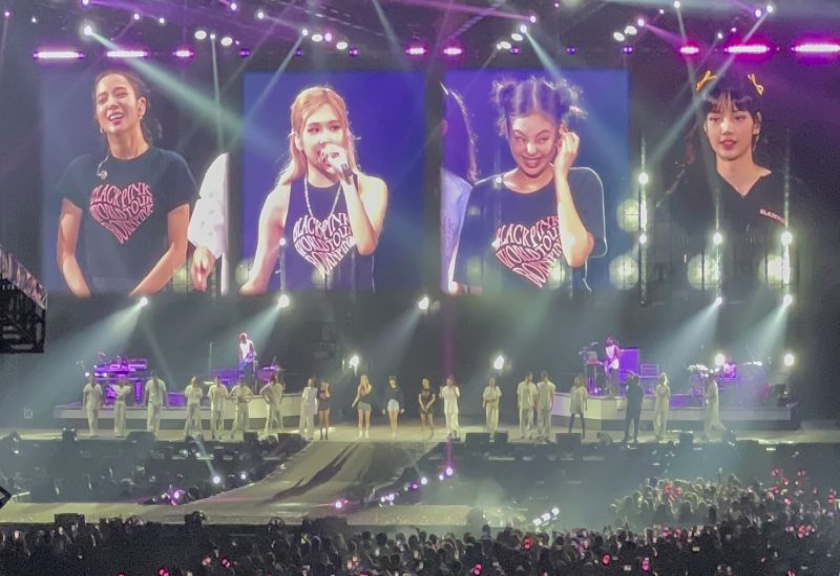
Music is gradually transforming from mere entertainment into the primary reason people travel. By 2026, global tourism trends are predicted to be increasingly dominated by experience-based tourism, with music touted as one of the strongest magnets drawing tourists to destinations, including Indonesia.
As travel patterns shift, tourists no longer just seek beautiful destinations or iconic spots. They pursue experiences that leave emotional impressions. Music, with its mnemonic power, is considered capable of delivering personal experiences that make journeys feel more meaningful.
Music tourism advocate Penny Hutabarat reveals that music tourism involves travel where music is the main motivation for visiting a place.
READ ALSO
Indonesia Promotes Digital Tourism at APEC, Travelers Will Experience Easier Vacations
Indonesia and South Korea are preparing more attractive tourism collaborations.
International Flights to Belitung Resume, Tourism Revives
The University of Indonesia music observer explains that music tourism spans a broad spectrum—from concerts and festivals to music museum visits and explorations of cities with rich music industry histories.
Several countries have proven this trend's potency. The UK, for instance, established Liverpool as a pilgrimage site for Beatles fans. In the US, Nashville thrives as the global hub for country music tourism. Meanwhile in Asia, South Korea exemplifies how K-pop attracts millions of Foreign Tourists annually.
“Today's tourists increasingly seek experiences, and music provides the most emotional impetus for people to travel to destinations,” states Penny.
Globally, music tourism shows significant growth. Customer Insight 2023 data indicates the music tourism market valuation reached US$6.6 billion and is projected to keep rising through 2032. This surge is reflected in the sustained expansion of major festivals like Glastonbury and Coachella since the early 2000s.
In Indonesia, similar momentum is intensifying. According to Penny, post-pandemic music festival organization saw a significant spike. High audience enthusiasm demonstrates music lovers' craving for live experiences.
“Consequently, music tourism is entering a renaissance phase and growing larger than ever,” Penny elaborates.
Indonesia possesses substantial assets to develop music tourism as a Creative Economy driver. Cultural diversity, unique natural landscapes, and abundant creative talent form an ideal combination for creating music experiences distinct from other countries.
From her research, Penny highlights two festivals exemplifying best practices in Indonesian music tourism.
Prambanan Jazz Festival demonstrates how music integrates with Cultural Heritage. Held at Yogyakarta's Prambanan Temple complex, this event offers concert experiences against a UNESCO World Heritage backdrop. Tourists come not just for music but also to enjoy the temple's beauty and surrounding local communities.
“Many silver-haired generations hold reunions at Prambanan Jazz. Younger generations also dominate this annual event, creating cross-generational collaboration,” shares Penny.
Meanwhile, Ngayogjazz adopts a radically different concept. This festival rotates through villages in Bantul Regency, with locals directly involved as hosts. This authentic local experience attracts foreign tourists seeking cultural immersion unavailable elsewhere.
Beyond delivering Cultural Experiences, music tourism creates ripple effects for the creative economy. Each festival boosts Local MSMEs—from culinary ventures and handicrafts to souvenirs. Visitor surges significantly increase vendor revenues during events.
Further impacts emerge in seasonal employment. Festivals create jobs for locals as stage technicians, security personnel, logistics staff, and sanitation workers. Accommodation and transportation sectors also benefit, with hotels, homestays, and transport services often fully booked months beforehand.
This trend strengthens with international artists performing at Indonesian festivals and concerts. This phenomenon magnetizes younger generations willing to travel cross-country to see favorite musicians live. Cities frequently transform into temporary hubs, gaining wider recognition as Tourist Destinations.
Recognizing this potential, the Tourism Ministry features music as a key attraction in its Kharisma Event Nusantara (KEN) calendar. This program attracted over 8.4 million visitors—a 13.5% year-on-year increase.
“KEN 2024's contribution exceeded 10%, adding Rp 238.2 billion to GDP. We're consequently relaunching 110 culture-based events—including music—as tourism's main draw,” states Deputy Tourism Minister Ni Luh Puspa.
Penny emphasizes that Indonesian music tourism's success hinges on authenticity. Festivals must offer not just performances but holistic experiences integrating local communities, distinctive cuisine, cultural ambiance, plus natural and heritage landscapes.
“This embodies the experience economy—where people attend not merely for concerts but for memories, emotions, and direct engagement with local culture,” says Penny Hutabarat.
Through this approach, music tourism could become Indonesian Tourism's new identity—transforming it from a leisure destination into an emotional space for feeling, remembering, and connecting.






Belum ada komentar. Jadilah yang pertama!