
Sports Tourism: New Engine of Indonesian Tourism, from Mandalika to Historic Stadiums


Source: Antara News
Indonesia has long been known for its beaches, mountains, and culture. But quietly, a new trend is emerging and starting to change how people explore this country, known as sports tourism.
This trend isn't just about running a 10K in another city or simply watching a match. Sports tourism has become a reason for people to travel, extend their holidays, and open up new economic opportunities.
"Within the tourism ecosystem, there are many travel themes that can be developed, and one of the most promising is sports tourism. Indonesia possesses significant capital to develop this segment," she explained.
READ ALSO
Minister of Tourism Praises Banyuwangi, a Destination That Successfully Combines Nature, Culture, and Innovation.
Sport Tourism as the New Engine for Regional Economic Growth
Approaching 2026: Why Traveling in Indonesia is Becoming More Affordable and More Exciting
This broad picture was emphasized by Tourism Minister Widiyanti Putri Wardhana.
In an official statement, she asserted that sports are no longer just stadium activities, but now a travel magnet.
This momentum was clearly visible during the Indonesian Sports Summit 2025. At the event, Widiyanti highlighted how the international world views sports as a strong reason for traveling.
This trend isn't just a hypothesis. Expedia recorded that 44 percent of tourists are willing to fly abroad to attend sporting events, with an average expenditure of 1,500 US dollars per visit.
Globally, sports tourism contributes significantly. UN Tourism noted this segment contributed 10 percent of total tourism spending in 2023, and its potential is projected to explode further to 17.5 percent in the coming years. Seeing these figures, Indonesia essentially just needs to polish its existing potential.
Sports Destinations as New Tourism Magnets
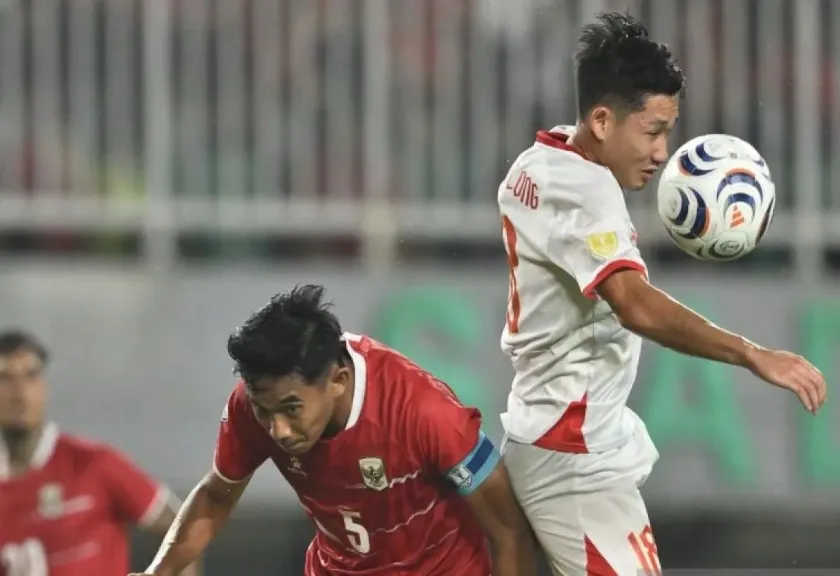
Indonesia has significant assets: historic stadiums, prestigious arenas, and event locations spread from big cities to exotic destinations. The challenge now is how to transform them into memorable tourism experiences.
Widiyanti herself gave examples of how other destinations package sports facilities into attractions. Anfield Stadium in Liverpool, for instance, isn't only alive on match days. The stadium offers museum tours, locker room tours, and even storytelling experiences for football fans. The results are extraordinary: nearly 400,000 visits throughout 2024, placing it in Tripadvisor's top 10 percent of global destinations, and even crowned UK's Best Landmark 2024.
Indonesia is starting to pursue inspiration like this. Gelora Bandung Lautan Api Stadium is currently being discussed for development with a similar approach, involving the Bandung City Government, West Java Provincial Parliament (DPRD), and even the World Bank. If realized, travelers could have a "Bandung's version of Anfield" – a destination visitable anytime, not just during matches.
Lifestyle Trends Make Sports Tourism Increasingly Relevant
A Nielsen 2025 survey shows 86 percent of the public now proactively maintains their health, far above the global average of 70 percent. This means many people are active, on the move, and traveling to gain experiences that are both healthy and enjoyable.
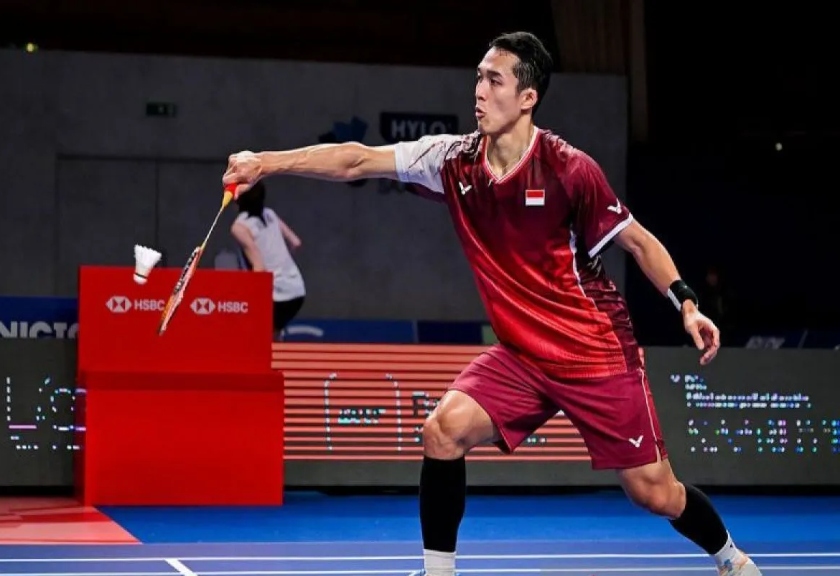
"This potential creates a large market for organizing running events, cycling, triathlons, yoga, and wellness festivals," Widiyanti stated emphatically.
The Pocari Sweat Run Mandalika 2025 is the most striking example. That running event attracted over 9,000 participants, with 70 percent coming from outside Lombok. The domino effect was immediately felt: hotel occupancy rates increased, restaurants were full, transportation was busy, and local MSMEs (Micro, Small, and Medium Enterprises) came alive. The total economic impact reached Rp85.5 billion.
For travelers, Mandalika transformed completely at that time. It wasn't just a place to enjoy beaches and hills, but also a stage for activities combining sports, entertainment, and nature exploration.
"Moving forward, what we want to push for is consistency. Events like this must be sustainable so the economic benefits can be felt continuously," explained Widiyanti.
She even encourages a holistic experience concept, combining sports with concerts, local cuisine, and cultural festivals.
Tourist Surge a Positive Signal
The government's optimism is not without basis. This year, domestic tourist movement is projected to grow by 18.89 percent, while foreign tourist arrivals are expected to increase by 10.13 percent. With more high-caliber events attracting active travelers, tourism's contribution to GDP is predicted to rise to 3.96–4 percent.
To achieve this, Widiyanti called for stronger collaboration. She urged sports clubs and federations to up their game in event organization, open doors for investors, and strengthen communities as the backbone of sports tourism.
In other words, the future of Indonesian tourism isn't just about seeing beauty, but also feeling it through activities that connect travelers more closely with the culture, community, and energy of a destination.




Belum ada komentar. Jadilah yang pertama!