
Sport Tourism as the New Engine for Regional Economic Growth

Source: Envato
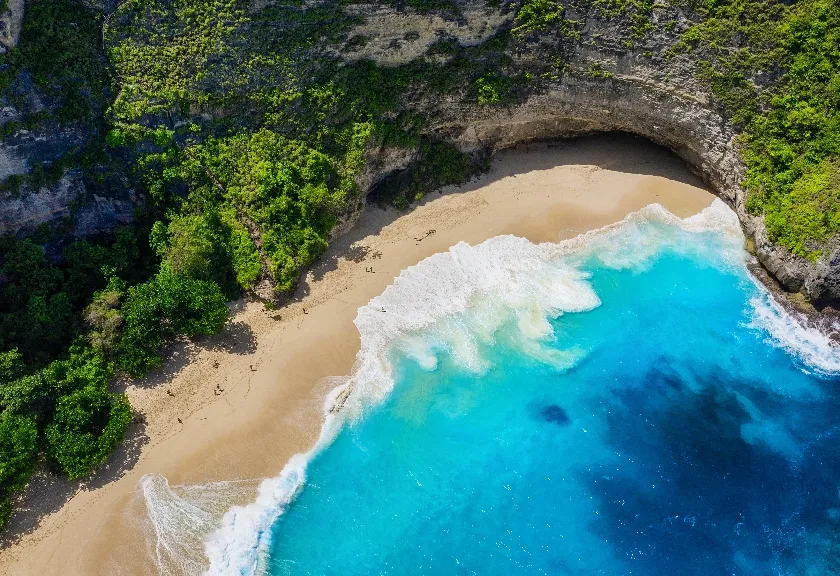
The government is strengthening the tourism sector as one of the primary drivers of the national economy. One of its priority strategies is the development of Sport Tourism, including marine tourism, which is assessed to be able to deliver direct economic impacts for local communities and Business actors in the regions.
This commitment was reaffirmed by the Ministry of Tourism during the implementation of the 12th Asian Open Water Swimming (OWS) Championship 2026 in Jimbaran, Badung Regency, Bali.
"Sport tourism drives the community economy, including MSMEs," stated Ni Komang Ayu Astiti, Assistant Deputy for National Events at the Ministry of Tourism, on the sidelines of the 12th Asian Open Water Swimming (OWS) Championship 2026 in Jimbaran, Badung Regency, Bali on Friday.
READ ALSO
Geopark Run Series 2026–2027: A New Way to Explore Locations Spanning from Ijen to Belitong While Running
Indonesian Golf Tourism Targets the South Korean Market Through the Ministry of Tourism's Famtrip Program.
Sports Tourism: New Engine of Indonesian Tourism, from Mandalika to Historic Stadiums
According to Astiti, sport tourism plays an important role in increasing visits from high-quality International Tourists with high purchasing power during their stay at the destination.
Tourists who come to participate or watch sporting events usually spend their money on accommodation, transportation, food, beverages, as well as various other tourism activities.
Furthermore, sport tourism is also closely related to spa services and Wellness Tourism. This has the potential to boost tourist spending as well as open new employment opportunities in the tourism sector.
Another advantage of sport tourism is that tourist length of stay tends to be longer compared to regular leisure travel. Athletes and officials generally arrive several days before the competition begins, and very often extend their stay after the event has concluded.
One concrete example is the 2026 Asian Open Water Swimming Championship held at the InterContinental Jimbaran Bay coastal area on 13-15 June 2026.
This Asian-level open water Swimming Championship was attended by 78 athletes and 49 officials from 18 countries, bringing the total delegation to 127 people.
Alongside the professional category, organisers also held the A Stream OWS Series, which was joined by around 300 participants consisting of beginner swimmers, sports communities, and the general public.
The presence of hundreds of participants from various countries delivered positive impacts for the hospitality, restaurant, and transportation sectors, as well as MSME actors in the Jimbaran area and its surroundings.
Beyond coming to compete, the athletes also enjoyed Bali's natural beauty, which offers a unique combination of beaches, ocean, hills, and distinctive local culture.
"Bali has so much more culture to enjoy. This is my first time coming for this sports competition, but this is my second Tourism Visit here," said Taipei athlete Cho Cheng Chi.
A similar impression was conveyed by Kazakhstan athlete Lev Cherepanov.
"Watching the sunset is wonderful, looking out at the sea, enjoying this nature. I definitely want to come back to Bali for a holiday," Lev remarked.
Through the combination of sport, Nature Tourism, and culture, sport tourism continues to demonstrate its role as both a local economic growth engine and an effective promotion medium for Indonesian Tourism Destinations on the world stage.




Belum ada komentar. Jadilah yang pertama!