
Japanese tourism is booming, but travelers are starting to leave the Tokyo–Kyoto route.

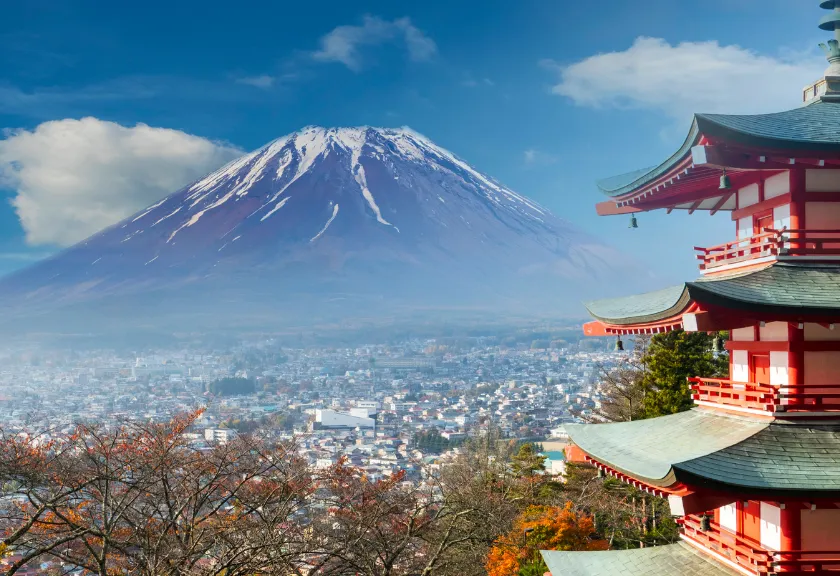
Source: Canva
Global tourist interest in Japan continues to surge. The Land of the Rising Sun has recorded extraordinary international visitation growth in recent years.
According to data from the Japan National Tourism Organization, Japan welcomed over 42.7 million international tourists throughout 2025. This figure demonstrates the growing interest among global travelers to explore Japan's culture, cuisine, and natural landscapes.
"The trend shows clear numerical growth. Japan is booming," said Sayaka Usui, director of JNTO's Frankfurt office, in an interview with Euronews Travel at the ITB Berlin travel trade fair.
READ ALSO
Japan trips increasingly digital, tourists must fill in data before departure.
Japan's Wild Innovation: Fly to US via Space in 60 Minutes
When Politics Redraws Vacation Maps: Beijing-Tokyo Tensions' Impact on Japan Tourism
For first-time visitors, iconic destinations like Tokyo and Kyoto remain top choices. These cities are renowned for their blend of modernity, traditional culture, historic temples, and world-famous cuisine.
However Traveling Trends to Japan are now shifting.
Repeat visitors increasingly seek more authentic experiences, exploring regions rarely included in mainstream itineraries.
"It's a mix. For first-time visitors, Japan means traditional Japan - Tokyo, Kyoto, temples, food," she explained.
Travelers Explore More "Local" Japan
Recognizing this trend, Japan Tourism authorities now encourage exploration beyond famous spots.
Not just major cities, but mountain trails, historic villages, and coastal routes offering deeper Cultural Experiences.
Remarkably, exploration is facilitated by Japan's efficient Public Transportation systems.
"Japan's public transport is exceptional. Trains and buses are readily available with English information, so travelers needn't fear venturing further," she noted.
Thanks to high-speed rail networks and organized Public Transport, shifting from urban centers to rural areas takes mere hours.
Unique Hotels in Traditional Japanese Houses
The tourism boom has spurred new hotel development across Japan, beyond major cities like Osaka.
Many new properties feature unique concepts: transforming traditional Japanese homes into luxury boutique hotels.
"In certain regions, new hotels are renovating old traditional houses into uniquely luxurious accommodations," Usui clarified.
This concept lets travelers experience classic Japanese atmosphere with modern comforts.
"Visitors enjoy ancient architecture while experiencing modern interiors with exquisite gastronomy," said Usui.
Japan's Nature Emerges as New Global Magnet
Beyond culture and cuisine, Nature Tourism grows rapidly, particularly among European travelers.
"Nature is a significant interest theme, especially for Europeans. Japan offers traditional cultural experiences alongside exceptional nature immersion," she continued.
The historic Nakasendo Trail in Nagano region exemplifies this growing popularity.
This ancient route connected Edo—old Tokyo—with Kyoto during the Edo period.
"You'll find centuries-old houses where people still live, allowing visitors to experience daily life in such traditional villages," Usui described.
Along the trail, travelers enjoy authentic village atmospheres, interact with locals at small cafes, and trek through beautiful natural paths.
Beyond Nakasendo, Japan offers spiritual routes like the Shikoku Pilgrimage connecting 88 Buddhist temples on Shikoku Island.
Northern Japan features dramatic trekking routes like the 1,025-kilometer Michinoku Coastal Trail.
These destinations are easily accessible from Tokyo via Japan's high-speed rail network.
Japan's Ever-Changing Four Seasons
Amid rising tourist interest, Japanese tourism authorities promote year-round travel beyond cherry blossom season.
"Japan offers four distinct seasons. Every month brings authentic Japanese experiences," she concluded.
Whenever travelers visit Japan, new experiences await—from summer festivals and autumn foliage to winter snowscapes.









Belum ada komentar. Jadilah yang pertama!