
Japan trips increasingly digital, tourists must fill in data before departure.

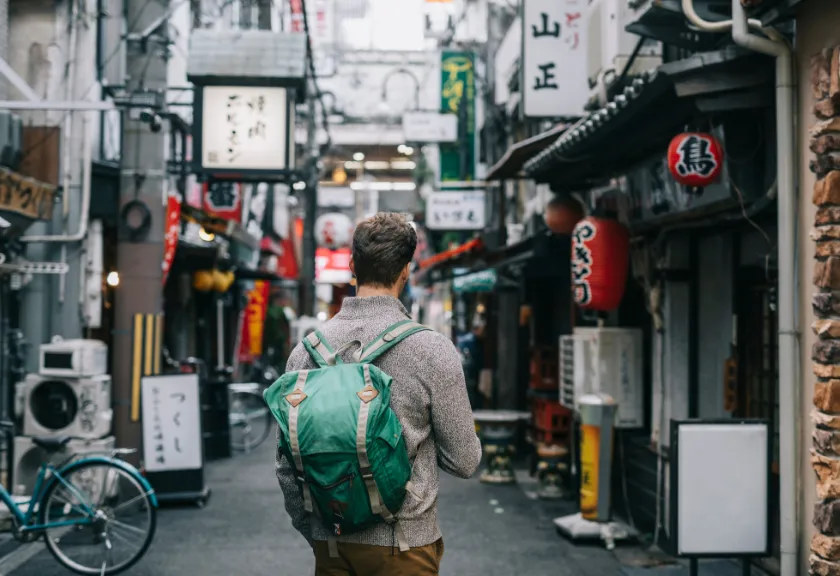
Source: Canva
For those of you with Holiday Plans to Japan in the coming years, there's a new regulation to be aware of. The Land of the Rising Sun is preparing a new entry system for Foreign Tourists that will change how visitors enter the country.
The Japanese government will introduce a digital system called Japan Electronic System for Travel Authorization (JESTA), set to launch in 2028. This system is designed to screen tourists before they even board flights to Japan.
This means immigration procedures will no longer be fully conducted upon airport arrival. Instead, prospective tourists must first submit travel information online before departure.
READ ALSO
Japanese tourism is booming, but travelers are starting to leave the Tokyo–Kyoto route.
Japan vs Tunisia: Ao Tanaka Makes His Starting Debut at the 2026 World Cup, Replacing Takefusa Kubo
Secret to a Budget-Friendly Japan Holiday: Choose the Right Departure Time
This initiative is part of Japan's efforts to manage the continuously increasing tourist surge each year.
Tourists Must Register Online Before Flying
Under this new system, visitors from 74 countries previously enjoying short-term visa exemptions must submit travel data through the online JESTA system.
Required information includes travel purpose, visit duration, and other journey details.
Japan's Immigration Services Agency will conduct preliminary checks on this data. Entry approval will then be granted or denied before tourists depart.
If denied, prospective visitors won't be permitted to board flights from their home countries.
Rejections typically relate to immigration violation risks, such as potential overstays.
Japanese Airport Immigration Becomes More Advanced
Although preliminary checks are digital, verification continues upon arrival in Japan.
At airports, tourists will undergo identification using KIOSk (Integrated Kiosk) - digital tablets processing automated immigration and customs checks.
Visitors will undergo fingerprint scans and facial photo capture.
Those with unproblematic travel histories can proceed through automated gates without long immigration counter queues.
However, immigration officers remain stationed near automated gates. Manual inspections occur if the system flags suspicious activity.
KIOSk systems are currently available at major Japanese airports including Narita, Haneda, Kansai, and Fukuoka, with plans to expand to others.
Applies to Tourists from 74 Countries
This system will affect visitors from 74 visa-exempt countries and regions.
The list includes Hong Kong, Macau, Taiwan, Singapore, Malaysia, Thailand, Indonesia, South Korea, Australia, and New Zealand.
Therefore, Indonesian Tourists vacationing in Japan will need to complete JESTA registration before departure.
Japan Prepares for Tourist Boom
This immigration overhaul comes amid record-breaking Foreign Tourist arrivals in recent years.
In 2025, international visitors to Japan reached 42.7 million - an all-time high.
Japan's government aims to increase this to 60 million tourists by 2030.
However, this growth brings Overtourism challenges, particularly at popular destinations.
Cities like Kyoto and Tokyo already experience impacts including overcrowded attractions and rising infrastructure maintenance costs.
Tourists Could Pay More in Future
Beyond entry restrictions, Japan is considering dual pricing for foreign tourists.
Under this scheme, international visitors may pay 2-3 times more than locals for certain attractions or transport.
Japanese media report potential implementation expansion around 2031.
The goal is offsetting rising maintenance costs from high visitor volumes.
For travelers, this signals Japan's commitment to balancing tourism growth with destination sustainability.









Belum ada komentar. Jadilah yang pertama!