
When Politics Redraws Vacation Maps: Beijing-Tokyo Tensions' Impact on Japan Tourism

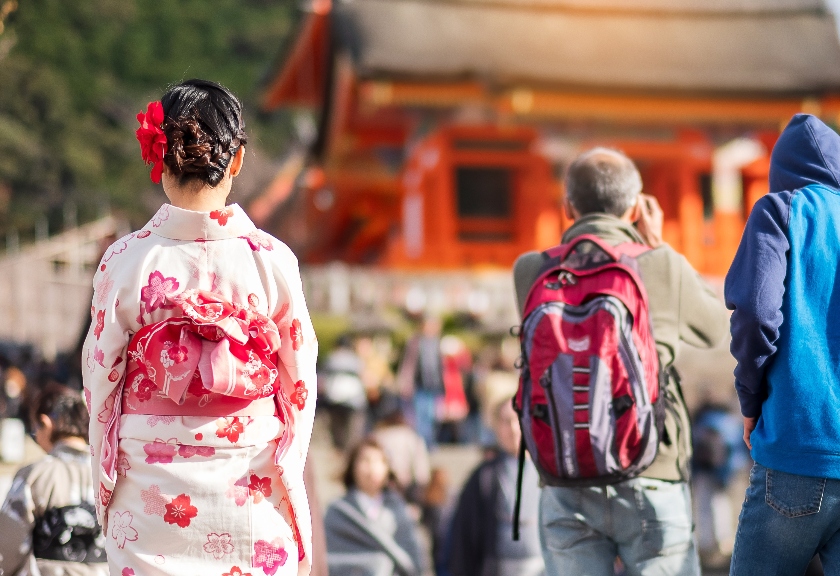
Source: Envato
In East Asia's tourism landscape, Japan has long been the primary magnet for Chinese tourists. Cities like Tokyo, Osaka, Kyoto, and Hokkaido represent the face of modern Asian holidays, blending traditional culture, technology, shopping, and cuisine. However, by late 2025, this flow suddenly slowed, not due to earthquakes or a pandemic, but politics.
China has urged domestic travel agencies to reduce the number of tourists heading to Japan by 40 percent.
Industry sources cited by Kyodo stated this move emerged amid a diplomatic dispute between Beijing and Tokyo.
READ ALSO
Japan regains its status as Chinese tourists' darling, while Indonesia emerges as a new favorite destination.
Japanese tourism is booming, but travelers are starting to leave the Tokyo–Kyoto route.
Japan's Wild Innovation: Fly to US via Space in 60 Minutes
The trigger was a statement by Japanese Prime Minister Sanae Takaichi about the possibility of an attack on Taiwan. Takaichi stated that an attack on Taiwan could be construed as a threat to Japan's survival, potentially involving its Self-Defense Forces.
According to the sources, major Chinese travel agencies were informed in late November to reduce visa applications for Japan by 40 percent following Takaichi's parliamentary remarks on November 7th.
The tension didn't stop at the diplomatic level. Its impact quickly seeped into the most "human" sector of interstate relations: Tourism.
Previously, in mid-November, the Chinese government had advised its citizens to avoid visiting Japan, citing Takaichi's statements as having damaged the atmosphere of people-to-people exchanges and increasing the safety risks for Chinese citizens in Japan.
In practice, the system for Chinese citizens Traveling to Japan is highly structured. As is known, Chinese nationals require a visa to visit Japan and apply through designated travel agencies. This means that when the government signals, the travel industry immediately adjusts.
According to Chinese media reports, over 1,900 flights from the Bamboo Curtain country to Japan, or more than 40 percent of total flights, were canceled in China in December. Meanwhile, another 2,195 flights are set to be canceled in January, also around 40 percent.
This is despite Japan being listed as one of the most popular tourist destinations for Chinese tourists in recent years. Shopping tourism, cherry blossoms, Hokkaido's snow, and theme parks were the main reasons millions of tourists crossed the East China Sea annually.
But now that landscape is shifting. Japan is not among the top 10 most popular overseas locations for the winter Holiday period next January and February.
Official Japanese data shows the slowdown. Japanese statistics indicate the number of visitors from China increased by only 3.0 percent in November compared to the previous year, down from a 22.8 percent increase in October. This was influenced by the travel advisory issued by the Chinese government.
Behind these numbers lies a demonstration of how geopolitics can alter the vacation plans of millions. Hotels, airlines, duty-free shops, and tour guides are feeling the direct effects of interstate tensions playing out in parliamentary chambers.
In East Asia today, tourist destinations are determined not only by natural beauty or cultural appeal but also by the direction of the political winds.










Belum ada komentar. Jadilah yang pertama!