
Mahashivaratri at Prambanan Temple, A Spiritual Festival Towards a World-Class Destination

Source: Ministry of Tourism
The Prambanan Shiva Festival is positioned to become the new face of Indonesia's Tourism. Deputy Minister of Tourism Ni Luh Puspa encourages this festival to develop as a premier national tourism agenda that strengthens the position of Prambanan Temple as a world-class cultural and spiritual Tourist Destination.
“From the tourism perspective, the Prambanan Shiva Festival is expected to become a flagship program that boosts Tourist Visits both domestically and internationally,” stated Ni Luh Puspa on Monday.
Culminating in the Mahashivaratri celebration, this festival Running since January 17, 2026 weaves sacred rituals with cultural performances. It offers a Travel Experience uniting spirituality, art, and local economies within a World Heritage landscape.
READ ALSO
Minister of Tourism Inspects Readiness of Prambanan Temple and Yogyakarta Tugu Station Ahead of School Holidays
From Raja Ampat to Jakarta Old Town: Indonesian Sites Nominated as UNESCO World Heritage Candidates
Five Flagship Programs of the Ministry of Tourism 2026, Indonesian Tourism Roadmap
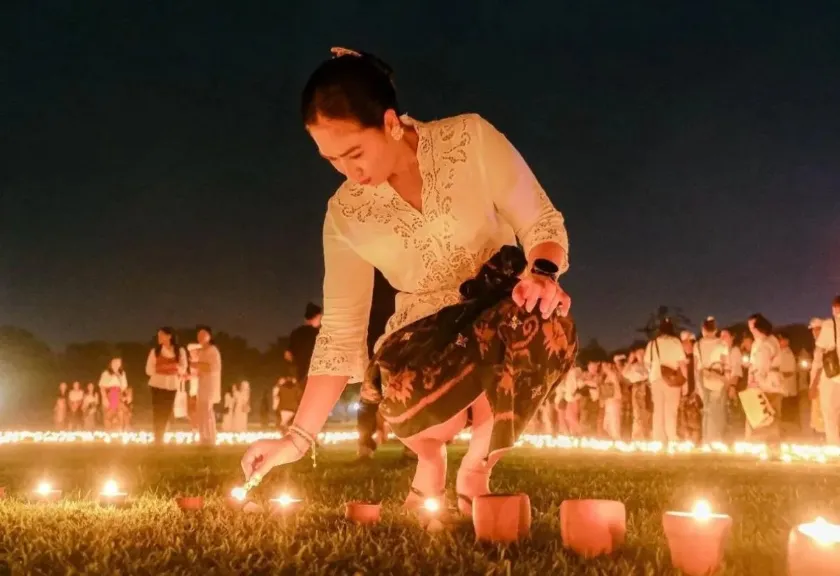
One captivating moment is the Dipa Festival, where thousands of oil lamps illuminate to damaru drum sounds, creating a magical and solemn temple ambiance. These lights symbolize unity in prayer and hopes for global peace and prosperity.
Video mapping projections on the temple structures provide visual experiences reinforcing spiritual messages and communal harmony.
“This symbolizes togetherness in spiritual harmony and interfaith tolerance,” said Ni Luh Puspa.
Beyond cultural performances, the Prambanan Shiva Festival also energizes the surrounding economic ecosystem.
This event activates Local MSMEs, artists, hospitality sectors, and tourism services in the area.
As a UNESCO World Heritage site since 1991 and a 9th-century Hindu architectural masterpiece, Prambanan Temple holds global resonance amid growing Tourism Trends toward quality and sustainability.
Tourists now seek not just entertainment but experiences connecting them with local culture, environment, and communities.
Data shows the global Hindu population increased by approximately 12% in the last decade, with 99% residing in the Asia-Pacific region.
This underscores the potential for sensitively and sustainably developed spiritual tourism and pilgrimage tourism.
“We hope initiatives like the Prambanan Shiva Festival can invigorate Prambanan Temple not merely as a monument, but as a living monument whose sanctity we collectively preserve,” concluded Ni Luh Puspa.







Belum ada komentar. Jadilah yang pertama!