
Safe Travel Tips During Extreme Weather in the Holiday Season

Source: Antara News
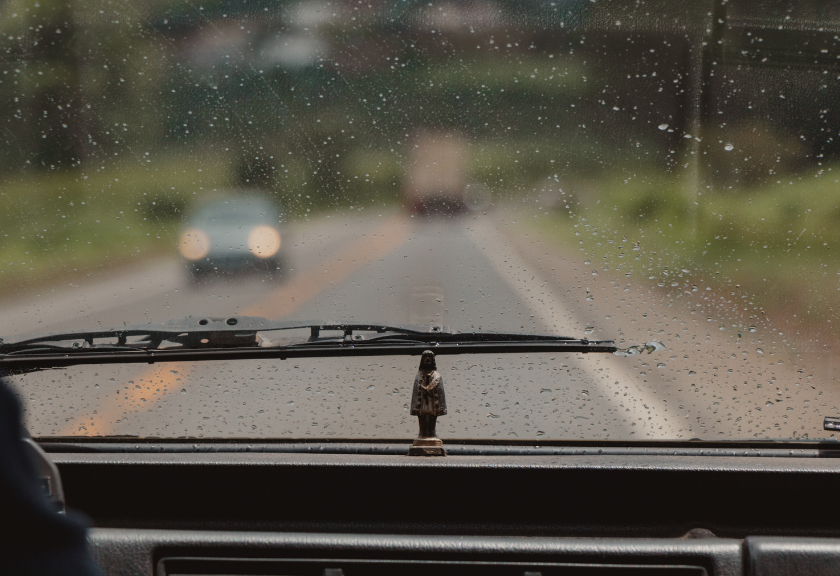
Nothing causes more anxiety for travelers than unpredictable weather. In Indonesia, as we approach the end of 2025, the situation feels increasingly real. Heavy rain almost daily, floods appearing in various cities, and landslide reports from several regions make many people think twice before traveling.
However, some people might not want to miss the year-end holidays by just staying home and plan to travel out of town. But 2025 brings a harsh reality to many regions in Indonesia, especially on the island of Sumatra. Flash floods and landslides have shaken provinces like Aceh, North Sumatra, and West Sumatra, leaving deep sorrow and a major humanitarian crisis.
Recent reports from the National Disaster Management Agency (BNPB) state that the death toll from these disasters has reached 914 lives. Beyond the tragedy of lost lives, thousands of homes are severely damaged, tens of thousands of people are displaced, and many transportation routes and logistics access points are completely cut off.
READ ALSO
Why Hotel Check-In Is Always at 12 or 2 PM? These Lesser-Known Reasons
Small Bedtime Habits, Traveler Hotel Safety Tips
8 Family-Friendly Tourist Destinations Perfect for School Holidays
Meanwhile, in other regions of Java, although not as severe as Sumatra, vigilance must still be maintained. Weather uncertainty, the chance of sudden heavy rain, and the potential for waterlogging can turn a holiday trip into a high-risk experience. In such situations, vacationing isn't forbidden. But if you still decide to travel, whether for recreation, family visits, or just escaping routine, it's crucial to have extra preparation to stay safe and comfortable.
If you've decided to travel at year-end, here are some important things worth noting to remain vigilant during your holiday.
Tips for Safe Traveling Amid Disaster Season and Extreme Weather
1. Regularly Monitor Weather Info and Disaster Status
Before departure, check updates from BNPB, local authorities, and official media regarding weather, potential heavy rain, floods, or landslides. If your destination area or the route there falls into a vulnerable category, consider other options or postpone your trip.
2. Avoid Areas Currently Affected by Disaster or Prone to Landslides/Floods
If your target area was recently hit by floods, landslides, or is still undergoing evacuation, it's wiser to postpone your holiday plans. The same applies if the destination is flood-prone during the rainy season.
3. Prepare Emergency Supplies and Personal Protective Equipment
Bring a raincoat, waterproof shoes, a dry bag or waterproof plastic for documents/clothes, a power bank, and basic medicines. If traveling to remote areas, don't forget a flashlight, drinking water, and local emergency contact numbers.
4. Ensure Flexible Transportation and Accommodation
Roads can be disrupted, weather can change quickly, so don't be too rigid with your schedule. Choose transportation modes with alternatives, and if necessary, book flexible accommodation or with a cancellation policy, so you can adapt to the situation.
5. Prioritize Safety Over Holiday Photos or Content
The temptation to create Instagrammable content is strong, but don't risk entering flooded areas, riverbanks, or landslide paths just for a cool photo. Safety is far more important.
6. Follow Directions from Local Authorities and Residents
If there are danger warnings, evacuation orders, or road closures, obey them. Avoid prohibited areas or those with restricted access. This is your responsibility to yourself and the local community.
7. Prepare Backup Funds and Extra Time
Disasters or extreme weather can derail plans, delay transportation, fill up accommodations, or even necessitate evacuation. Having backup funds and a flexible schedule will be very helpful if sudden changes occur.
8. Check Health and Avoid Environmental Risks
Floodwater can carry diseases. So, try to drink clean water, maintain hand hygiene, and avoid direct contact with floodwater or waterlogging, especially if you have open wounds or are traveling to remote places.
9. Plan Alternative Destinations or Indoor Activities
If outdoor activities are too risky, look for indoor options, cozy cafes, museums, art galleries, or enclosed tourist spots. Holidays aren't always about beaches or nature; city breaks and indoor activities can also be fun and safe.








Belum ada komentar. Jadilah yang pertama!