
8 Popular World Destinations Not Recommended to Visit in 2026

Source: Pixabay
As the year draws to a close, many people begin planning trips and choosing dream destinations. However, before deciding to fly to any part of the world, it is crucial for travelers to be aware of several places currently suggested for temporary avoidance to preserve nature and ensure the sustainability of global tourism.
The international travel guide site Fodor’s Travel released the No List 2026, featuring eight destinations recommended for a visitation pause.
This list is not a ban, but rather a reflective call for travelers to help give space to nature and communities suffering from overtourism.
READ ALSO
Travel No Longer Cheap: New Era of World Tourist Tax Starting 2026, from Thailand to Spain
5 Hidden European Islands Perfect for Solitude-Seeking Travelers
Travel Tips: Avoid taking the last flight so that your journey goes more smoothly.
This step aims to protect the environment, support local communities, and ensure currently vulnerable destinations can recover.
Uncontrolled surges in tourist visits can damage ecosystems, disrupt local residents' comfort, and erode the very beauty that attracts travelers.
Here are eight global destinations included in the No List 2026:
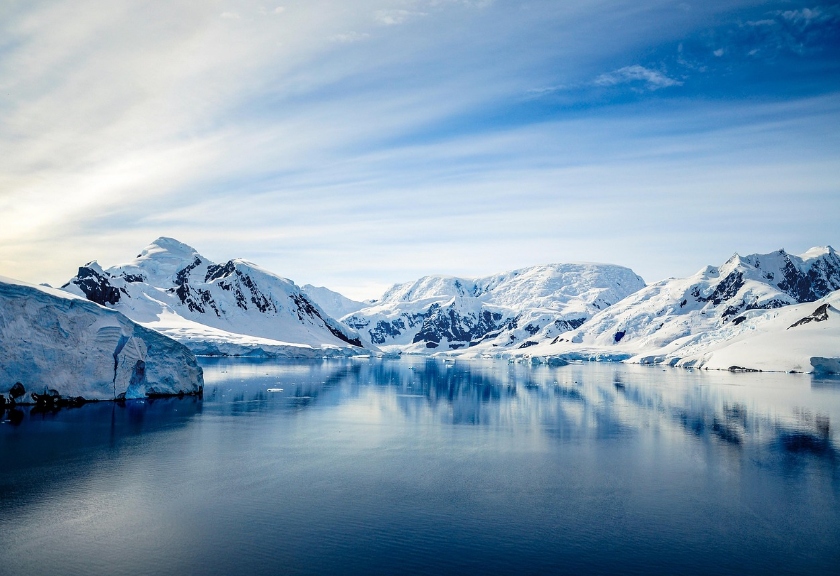
1. Antarctica: The White Continent is Overvisited
Antarctica is one of the extreme regions that has long captivated explorers. This destination is advised to be avoided.
According to Euronews, in the 1990s, annual visits numbered less than 8,000 tourists. However, IAATO reports that visits for the 2023–2024 period surged to over 124,000.
IAATO is tasked with regulating tourism but lacks the authority to limit visitor numbers.
The presence of non-member ships adds pressure to an already fragile ecosystem. Therefore, Antarctica is a destination best limited to ensure its preservation.
2. Canary Islands: Choked by Overtourism and Environmental Crisis
The Canary Islands in Spain face traffic congestion, rising accommodation prices, and environmental damage.
Approximately 100 million liters of untreated waste reportedly pollute the beaches daily. The dominance of large investors has caused local communities to lose living space and cultural identity. This beautiful archipelago is now at a critical point.
3. Isola Sacra, Italy: Coast Threatened by Major Project
The construction of a large port risks erosion, pollution, and damage to protected areas.
Inadequate infrastructure could worsen pollution and congestion from cruise ships. Isola Sacra faces immense pressure from tourism industrialization.
4. Mexico: When Gentrification Erodes Community Identity
A surge in tourists and remote workers is changing the face of cities in Mexico. Short-term rentals cause displacement of local residents, rising rents, and loss of community identity.
Increasing social tensions mean some areas are now being avoided.
5. Mombasa, Kenya: Environmental Crisis in a Coastal City
Mombasa now faces beach and sea pollution due to poor waste management.
Population density and congestion disrupt visitor comfort.
Crimes against tourists and a lack of carrying capacity data add to the list of concerns.
6. Montmartre, Paris: When Artistic Beauty is Eroded by Crowds
Montmartre has long been known as an artists' village. Now it faces overtourism.
Congestion, rising property prices, and damage to local culture make residents feel they are losing decent places to live. This area risks losing its authenticity.
7. Glacier National Park, USA: Shrinking Glaciers
Climate change is accelerating glacier melt in Glacier National Park, while "last chance tourism" ironically brings more visitors.
Congestion, pollution, and disruption to wildlife habitats worsen the situation. Existing regulations have so far been insufficient to protect this area.
8. Jungfrau Region, Switzerland: Threatened Alpine Beauty
The Jungfrau region faces pressure from mass tourism, climate change, and a housing crisis fueled by the proliferation of short-term rentals.
Iconic glaciers are threatened by melting, while rising temperatures and visitor density increasingly strain the environment and local communities.
Fodor’s hopes this list helps travelers consider alternative destinations better prepared to receive visits and encourages participation in global efforts to maintain sustainability.
Because ultimately, travel is not just about the places visited, but also the footprint left behind.









Belum ada komentar. Jadilah yang pertama!