
Travel No Longer Cheap: New Era of World Tourist Tax Starting 2026, from Thailand to Spain


Source: Pixabay
Once just plane tickets, now there's a new requirement before passports get stamped: tourist taxes. Starting in 2026, destinations worldwide—from Thailand's tropical beaches to romantic Venice—will impose additional fees on every visiting foreign tourist.
The goal isn't merely to "collect money," but to curb overtourism impacts—where "tourist explosions" stress locals and harm the environment.
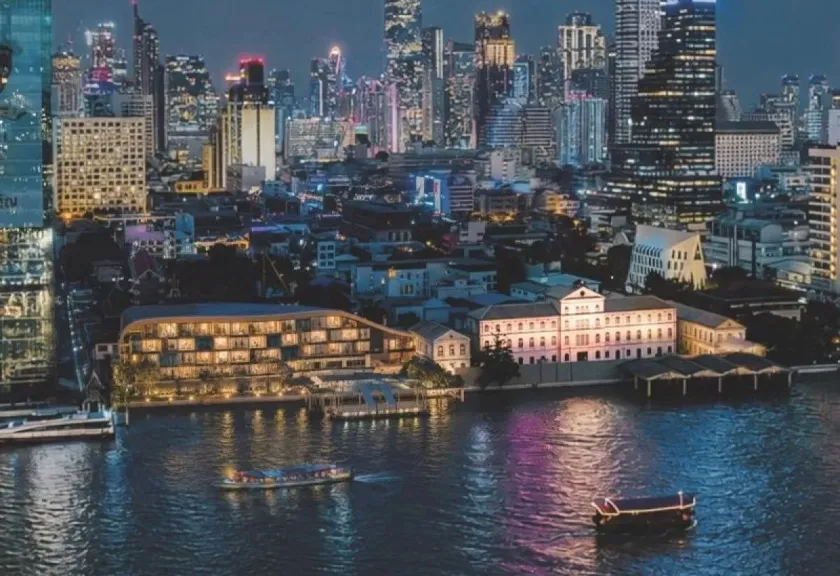
Thailand: Pay to Step on the Land of the White Elephant
READ ALSO
Japan's Departure Tax Increases Drastically, Indonesian Travelers Must Prepare Extra Funds
8 Popular World Destinations Not Recommended to Visit in 2026
5 Hidden European Islands Perfect for Solitude-Seeking Travelers
Starting February 2026, Thailand will charge a 300-baht (Rp155,000) entry fee for foreign tourists. Locals call it Kha Yeap Pan Din—literally "stepping on Thai soil."
This applies to all air, land, and sea arrivals. Funds will support travel insurance, infrastructure, and tourism safety systems.
Every step in the Land of the White Elephant will now help preserve its safety and comfort.
Japan: From Kyoto Hotel Taxes to Mount Fuji Tickets
Japan is also tackling post-pandemic tourist floods. From March 2026, Kyoto will implement Japan's highest-ever hotel tax.
Rates range from 200 yen (Rp21,000) for budget stays to 10,000 yen (Rp1 million) at luxury hotels.
Revenue will upgrade transport, launch e-ticketing systems, and fund express buses from Kyoto Station to Higashiyama temple district.
Additionally, Mount Fuji hikes now require reservations and a 4,000-yen (Rp435,000) entry fee per person—enhancing climber safety and crowd control.
Norway: Tax to Save Fjord Nature
From 2026, Norway introduces a 3% tourist tax for all overnight or cruise visitors. Uniquely, it's progressive—costlier hotels mean higher contributions.
Funds will conserve nature and upgrade tourism infrastructure—like public toilets, signage, and trails in sensitive zones from Bergen and Geiranger to Arctic Svalbard and Tromsø.
This embodies Scandinavia’s sustainable tourism ethos.
Greece: Pay When Disembarking Cruise Ships
Iconic islands like Santorini and Mykonos suffer from overcrowding. Greece now mandates cruise passengers pay upon disembarking: €12 (Rp231,609) in Santorini/Mykonos and €3 (Rp58,000) elsewhere.
Peak summer rates rise to €20 (Rp386,000) and €5 (Rp97,000). Taxes fund port maintenance, waste management, and crowd control.
Italy: Venice Limits Daily Tourists
Venice, overwhelmed by daily visitors, reinstates its €5 (Rp97,000) day-tourist fee this year.
Last-minute arrivals (under 3 days notice) pay double: €10 (Rp193,000).
Fees apply during peak hours (08:30–16:00) on 2025’s 54 busiest days—reducing surges and encouraging advance planning.
Residents and overnight tourists remain exempt but require online registration for QR-code entry.
Spain: Double Taxation in Barcelona
Spain expands tourist taxes too. Catalonia already imposes hotel tourism taxes, but Barcelona adds a municipal fee—meaning tourists pay twice.
Rates rise gradually: €4 (Rp77,000) nightly from May 2025, €5 (Rp97,000) in 2026, reaching €8 (Rp154,000) by 2029.
Revenue funds infrastructure upgrades, heritage preservation, and environmental programs.
Galicia, Basque Country, and the Balearic Islands will follow suit, including cruise tourist fees.
Smarter Tourism, Balanced World
Tourist tax hikes may seem unpopular. But behind these numbers lies a vital message: global destinations seek survival, not collapse under mass tourism.
Post-2026, vacations won’t be about "cheapest possible," but "wisest possible." Preserving Earth’s beauty demands both cost and responsibility from every crossing passport.









Belum ada komentar. Jadilah yang pertama!