
Mount Rinjani Gains Popularity, State Revenue Reaches Rp21.6 Billion but Waste Sharply Increases

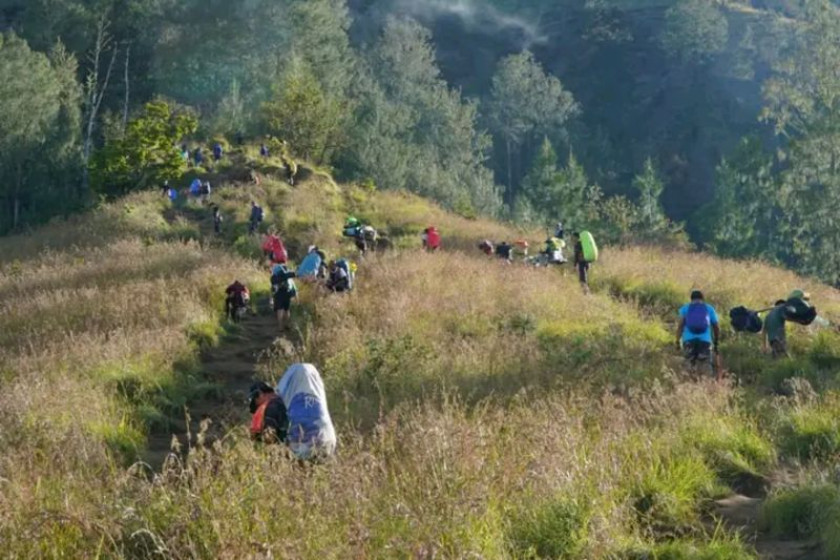
Source: Antaranews
Mount Rinjani once again proves itself as one of Indonesia's strongest natural tourism magnets. As of October 2025, the Mount Rinjani National Park Office (TNGR) recorded Non-Tax State Revenue (PNBP) reaching Rp21.65 billion, a figure demonstrating the powerful allure of this 3,726-meter-high peak for global adventurers.
“This PNBP achievement shows a positive trend,” stated Head of TNGR Office Yarman in Mataram on Monday, November 17, 2025.
This revenue increase confirms that nature tourism contributes significantly to the state beyond offering beautiful landscapes.
READ ALSO
Tourism Ministry Promotes Quality Tourism Through Sea Turtle Conservation Documentary Film
The Mount Gede Pangrango Landscape and the Tangible Impact of Goalpara Tea Park's Tourist Attraction
8 Popular World Destinations Not Recommended to Visit in 2026
“The rising PNBP proves natural tourism management can align with environmental conservation efforts while contributing to state revenue,” Yarman continued.
Rinjani: A Hiker's Paradise with Soaring Annual Visits
Rinjani's popularity as a climbing icon shows no signs of slowing. By October 2025, 72,528 hikers had tackled challenging trails like Senaru, Sembalun, and Torean. Meanwhile, non-climbing destinations including waterfalls, geosite panoramas, and family-friendly camping areas drew an additional 43,502 visitors.
These numbers reflect not only global traveler interest but also how Rinjani now transcends hardcore trekking. Many tourists come solely for sunrise views, waterfall exploration, or urban escapism.
“Mount Rinjani National Park continues attracting growing local and international attention, with hiking tourism visits reaching 72,528 people,” Yarman emphasized.
Behind High Visits, Mounting Management Challenges
Yet popularity brings consequences. More footsteps ascending Rinjani mean heavier burdens for maintaining ecological balance.
Yarman cautioned that increased visitation heightens environmental pressure. The Go Rinjani Zero Waste concept is thus spotlighted as vital to prevent the mountain's beauty from being eroded by trash piles.
He stressed that more visitors directly increase management burdens.
TNGR data reveals hiking activities generated 28,410.64 kg of waste, while non-hiking activities produced 989.22 kg - substantial amounts for a conservation area meant to minimize human traces.
Notably, this figure only includes waste carried back down, indicating improving tourist awareness though continuous education remains necessary.
“This data represents waste brought down from the area, predominantly inorganic,” he clarified.
Rinjani: Not Just a Destination, But a Shared Responsibility
Rinjani captivates with its untamed beauty - a splendor requiring collective safeguarding. TNGR renews its appeal for all visitors to pack out trash, follow hiking regulations, and support sustainable tourism principles.
“From Rinjani for Indonesia, let's keep supporting sustainable tourism that's not only visually stunning but also preserves nature and brings prosperity,” he urged.
For young travelers, Rinjani's story transcends summit journeys - it's about how today's footprints determine the fate of this majestic landscape tomorrow.









Belum ada komentar. Jadilah yang pertama!