
Series of Historical Sites Outside Java That Have Now Been Transformed Into Educational Tourism Attractions

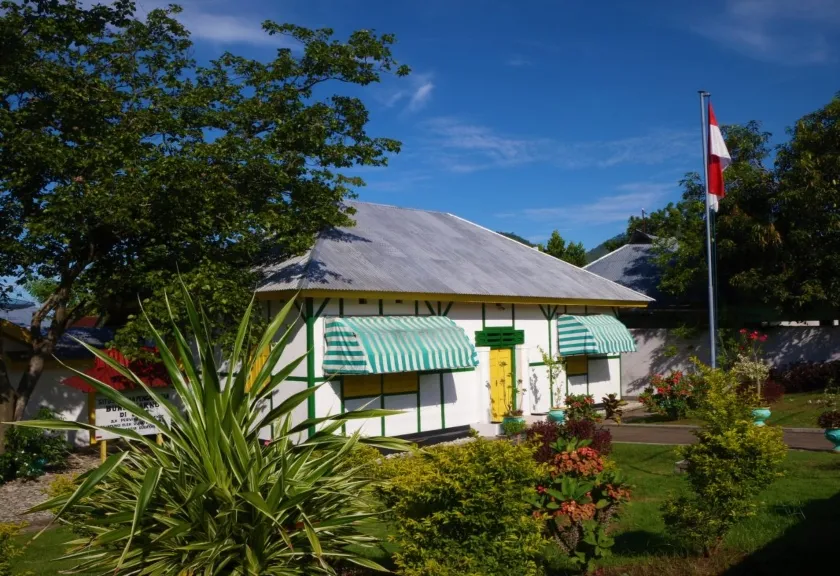
Source: kebudayaan.kemendikbud.go.id)
Beyond Java Island, numerous historical buildings across other regions of Indonesia also stand as witnesses to the nation's journey, spanning the era of ancient kingdoms, colonial rule, all the way through the struggle for independence. Alongside social progress, many of these heritage structures have been repurposed into educational tourist destinations.
More than just offering recreational travel experiences, these sites invite visitors to gain deeper insight into Indonesian history through their architecture, museum collections, and the recorded struggles of the nation's founding figures.
Below are four historical sites outside Java Island that now operate as educational tourism attractions:
READ ALSO
Jam Gadang Centennial, Ministry of Tourism Strengthens West Sumatra Tourism Branding
International Flights to Belitung Resume, Tourism Revives
Uzbekistan Tourism: Discovering the Beauty of Silk Road Historic Cities
1. Maimun Palace, Medan
Standing majestically in Medan, North Sumatra, Maimun Palace is a heritage site from the Deli Sultanate dating back to the late 19th century. This historical building is renowned for seamlessly blending Malay, Middle Eastern, Indian, and European architectural styles within one single complex.
Today, Maimun Palace ranks among the most popular tourist destinations in Medan. Visitors can view preserved relics of the Deli Sultanate, dress in traditional Malay attire for photos, and learn about the history of the once-powerful kingdom that ruled North Sumatra.
2. Fort Rotterdam, Makassar
Fort Rotterdam is one of the iconic historical landmarks of Makassar, South Sulawesi. This structure was originally constructed by the Gowa Kingdom as a defensive fortification, before being seized by the VOC and redeveloped into the Dutch colonial government and military headquarters for eastern Indonesia.
At present, Fort Rotterdam functions as a historical tourism precinct, preserving colonial architecture alongside local cultural values.
Within the fort complex lies the La Galigo Museum, which houses extensive collections documenting the history and culture of South Sulawesi. This allows visitors to immerse themselves in the historic atmosphere while expanding their knowledge of the region's past.
3. Sukarno's Exile House, Ende
The city of Ende in East Nusa Tenggara holds a significant place in Indonesian national history. This is where Indonesia's first president, Sukarno, was exiled by the Dutch colonial government between 1934 and 1938.
During his stay in Ende, it is widely documented that Sukarno formulated many core ideas about national unity, national identity, and diversity - concepts that would later become fundamental pillars in the drafting of Pancasila, Indonesia's state ideology.
Sukarno's Exile House is now open to the public as a historical tourism site. Visitors can tour the former residence of the proclamation leader, and learn about his struggle during his time in Ende through well-preserved collections and historical documentation.
4. Boven Digoel, South Papua
Located in South Papua, Boven Digoel is recognized as one of the most important historical sites from Indonesia's independence struggle. During the colonial era, this region was known as Upper Digul, and served as an exile camp for prominent national figures including Mohammad Hatta, Sutan Sjahrir, Sayuti Melik, and Marco Kartodikromo.
Today Boven Digoel has been developed as a historical tourism destination. Travellers may visit the former Boven Digoel prison compound in Mandobo District, pay their respects at the Heroes Cemetery, and view the Bung Hatta Monument erected to honour the struggle of these national leaders.
Alongside its historical value, this region also boasts unspoiled natural scenery. Kun Waterfall, Atakat Waterfall in Iniyandit District, and Aman D Waterfall in Arimop District serve as additional attractions for visitors seeking to combine educational history tours with nature adventure.
Visiting these historical destinations outside Java demonstrates that travel is not only about experiencing natural beauty - it is also an opportunity to understand the long, difficult journey that formed the Indonesian nation.
By visiting these heritage sites, tourists also play a part in preserving cultural legacy, while helping pass down national historical values to future generations.









Belum ada komentar. Jadilah yang pertama!