
"Facing a team of Japan's caliber filled with top European players is certainly very difficult. The most reasonable scenario for us to advance from the group stage is to secure an absolute victory against Thailand, while fighting hard to hold Qatar to a draw."
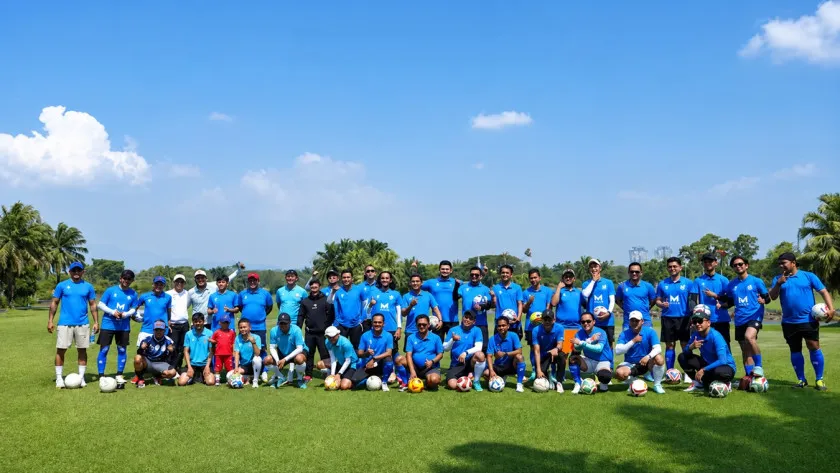
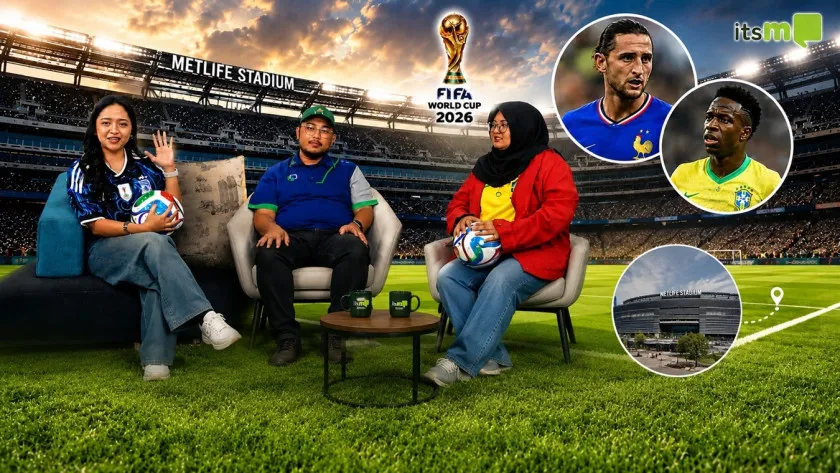
This sharp and pragmatic statement was delivered by senior football analyst Ronny "Bung Ropan" Pangemanan while dissecting the Indonesian National Team's Chances against the fierce competition of the 2027 Asian Cup. His in-depth analysis was shared exclusively on a podcast hosted by the duo Raisha and Gilang Respaty, live from ITSME Studio in Sentul, Bogor.
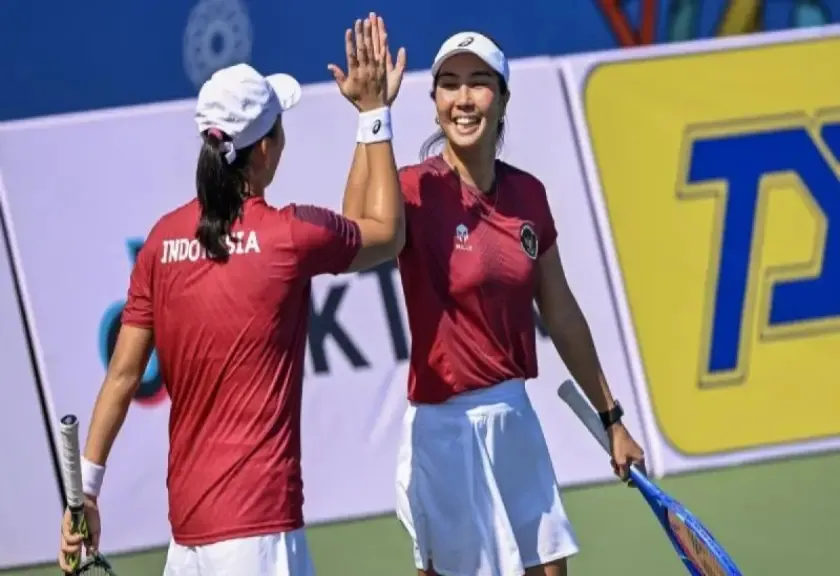
This heated discussion specifically dissected the fate of the Garuda Squad, which must take an extreme path after being placed in Group F. Coach John Herdman's team faces continental giants: four-time champion Japan, back-to-back defending champion Qatar, and regional rival Thailand.
READ ALSO
Ropan's Analysis: The 7-9-11 Rule Boosts Indonesian Super League Quality Improvement
Tough Test Awaits! Indonesian National Team to Face Japan in Group F of 2027 Asian Cup.
John Herdman: The 2027 Asian Cup is Indonesia's Gateway to the 2030 World Cup.
Despite being in the "Group of Death," Bung Ropan highlighted one major point of pride: Indonesia is the only Southeast Asian nation to qualify directly without playoffs. He noted that the group stage duel against Thailand actually presents a strategic advantage and an ideal benchmark, especially since Diaspora Players like Jay Idzes and his teammates have never directly tested the strength of the War Elephants squad.
Furthermore, the discussion at ITSME Studio delved into the national team's fundamental problem: the crisis of pure strikers or "number 9s." Despite having a solid defense, the blunt attack remains a key challenge. The decline in local striker quality is linked to domestic competition regulations allowing up to 11 foreign players, depriving local talents of crucial playing time in key positions.
As a solution, Bung Ropan proposed recruiting grade-A European-descent strikers. For short-term solutions—especially facing tournaments like the AFF Cup—emergency Naturalization of Super League goal machines like David da Silva or Ciro Alves could be considered. He also noted that players like Ole Romeny are better suited for the number 10 role rather than as the main striker.
Looking beyond the attack, long-term projections towards 2030 World Cup Qualification demand rejuvenation in other vital areas. Bung Ropan stressed the urgent need for the coaching staff to find a new midfield general. The national team requires a playmaker capable of succeeding Thom Haye, considering the maestro's advancing age.
Shifting to the defense, Bung Ropan analyzed the intense internal competition, particularly in the wing-back positions. The presence of high-quality diaspora players like Calvin Verdonk, Shayne Pattynama, Sandy Walsh, and Kevin Diks has created fierce competition for both left and right wing-back spots. This situation directly threatens mainstays like Pratama Arhan and Asnawi Mangkualam, who must now work harder and elevate their game to retain their positions.
Concluding his analysis at the podcast's end, Bung Ropan emphasized that upcoming tournaments like the AFF Cup (ASEAN Cup) should not be underestimated by the public. This regional event presents a golden opportunity for the coach to comprehensively evaluate local domestic players, especially those receiving limited minutes during official FIFA Matchday calendars.