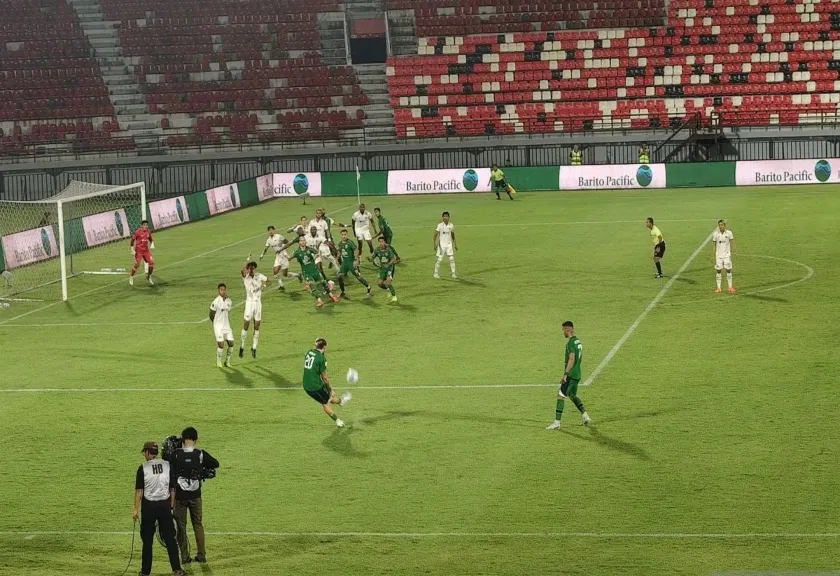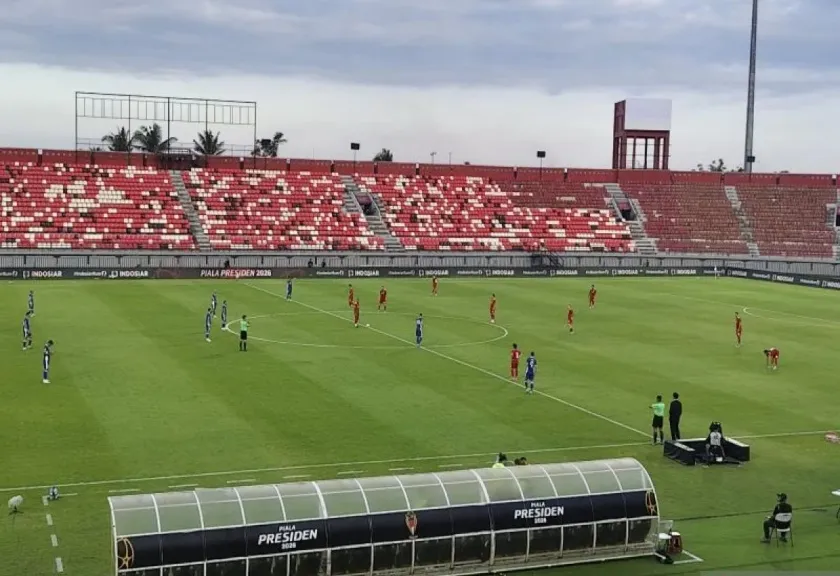

The Indonesian Super League, the top national football competition previously known as Liga 1, continues to record encouraging progress. The improvement in this competition's quality has not only attracted local attention but also made clubs like Persib Bandung, Persija Jakarta, Borneo FC, Dewa United, and Malut United increasingly respected in various matches, both domestically and regionally.
Ronny Pangemanan, popularly known as Bung Ropan, a prominent Indonesian football observer, revealed that this quality surge stems from the recent policy by PT Liga Indonesia Baru (PT LIB) regarding foreign player quotas. The regulation allowing up to 11 foreign players with a composition of nine players in the squad and seven fieldable in matches—known as the 7-9-11 policy—is cited by Ropan as the primary driver for boosting the league's competitiveness.
According to Ropan, the presence of quality foreign players has created positive dynamics on the field. "The competition level in the Indonesian Super League has increased significantly. Matches have become more exciting, intense, and technical," he emphasized. This sparks healthy competition among players, both local and foreign, to consistently deliver their best performances.
READ ALSO
Fiery Super League Week 29: Persib Bandung Defends Top Spot, Borneo FC Lurking, Persija Jakarta Faces PSIM
Eternal Rivalry, Shared Target: Persija and Persib Chasing League Leaders Borneo FC
Andrew Jung Hero as Persib Claim Crucial Super League Win
Competition Gets Tighter, Quality Grows Rapidly
Local Players Motivated, National Team Opportunities Wide Open
Amid concerns from many parties about local players being marginalized, Ropan observes the opposite phenomenon. The 7-9-11 policy actually pushes local players to keep developing and adapting to high standards. This competitive spirit also opens greater opportunities to attract the attention of Indonesian National Team coaches, both at senior and youth levels.
Leading Clubs Successfully Implement Strategies
Ropan also spotlighted the success of several clubs in managing foreign player presence. Persib Bandung, Persija Jakarta, Borneo FC, Dewa United, and Malut United were cited as examples of teams that not only deliver attractive gameplay but also successfully create harmony between foreign and local players within a competitive ecosystem.
Thus, the 7-9-11 policy has not only succeeded in enhancing the appeal of the Indonesian Super League but also serves as a catalyst for improving local player quality. This move is expected to elevate Indonesian football toward a more respected level in the Southeast Asian region, even Asia.