
2026 Ramadan Tourism Trends: Iftar Hiking to Muslim World's Nocturnal Cities

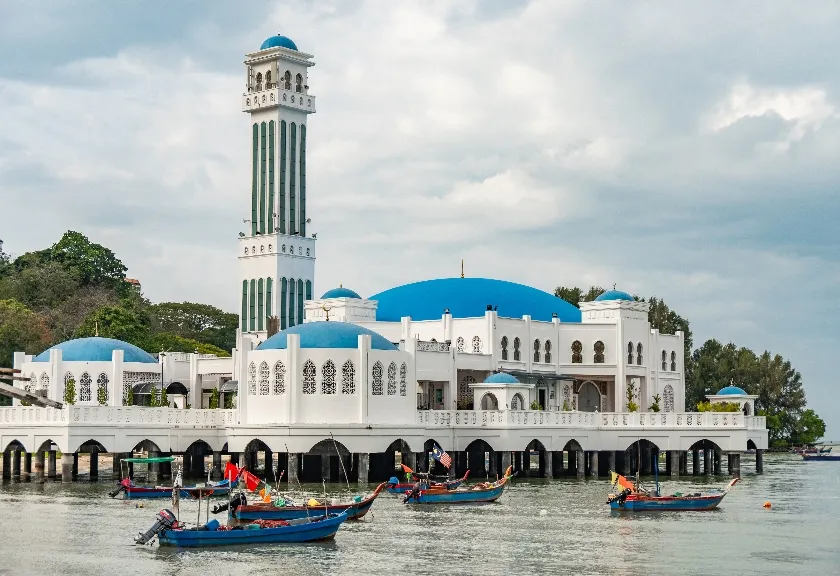
Source: Envato
Ramadan is synonymous with the quietude of prayer and prolonged prostration. From the Middle East to Southeast Asia, Ramadan also becomes a season of travel—not merely changing locations, but exploring deeper meanings.
As reported by Travel Daily Media, for Muslim travelers or non-Muslim tourists visiting Muslim-majority countries, Ramadan presents an opportunity to witness diverse traditions.
Ramadan shapes unique travel patterns. Daytime activities tend to slow down, while nighttime transforms into the main stage.
READ ALSO
Ramadan Trip: 5 Aesthetic Mosques in West Java for Religious Tourism Spots
Global Muslim Travel Index 2026: West Java Becomes the Most Promising Muslim-Friendly Travel Destination
Defeating Saudi Arabia and Turkey, Indonesia has become the favourite destination for Muslim travellers.
From vibrantly colored iftar spreads to lengthy conversations after tarawih prayers, these experiences become bridges to understanding a place's identity.
The year 2026 is predicted to bring three major trends in global Ramadan Tourism.
Cool Landscapes and Iftar Hiking in West Asia
Unlike years when Ramadan falls during peak summer, this holy month occurs during late winter transitioning to early spring. Cooler air prevails in West Asian regions like Saudi Arabia and the United Arab Emirates.
These conditions enable more Outdoor Activities, including the iftar hiking trend. Though sounding adventurous, this practice focuses not on Extreme Sports but on communal bonds and spiritual reflection.
Hikes typically involve small groups of up to 30 people after tarawih prayers. In the UAE, popular routes traverse mountain landscapes like Jebel Al Mebrah and Jabal Qada’ah, where desert silence merges with nighttime contemplation.
Cities Awake Until Dawn
Ramadan shifts urban rhythms. In Muslim-majority nations, post-10pm activity surges.
Until around 2am, fitness centers, gyms, and sports facilities bustle with residents adjusting routines to suhoor schedules.
Southeast Asia offers distinct nocturnal charm. In Malaysia and Indonesia, night markets become social hubs.
Aromas of local cuisine, traditional games, and family entertainment create multisensory experiences captivating tourists.
Discount Season and Cultural Awareness
Ramadan reshapes travel economics. Numerous travel agencies and OTAs offer discounted packages to popular destinations.
Hotels slash rates significantly—some up to 50% during Ramadan’s first fortnight.
Restaurants and malls feature special menus or seasonal promotions.
Flexible travelers gain cost-efficient exploration opportunities.
Ramadan as an Intercultural Bridge
Ultimately, Ramadan tourism revolves around Cultural Exchange, creating natural dialogue between visitors and hosts.
For Muslims, it’s a time for reflection, community strengthening, and charity. For non-Muslims, it’s a chance to understand traditions shaping civilizations for centuries.
Amid global tourism growth, Ramadan journeys offer depth beyond destinations.







Belum ada komentar. Jadilah yang pertama!