
5 Indonesian Cities Win ASEAN Clean and Sustainable Tourist City Awards

Source: Envato
Tourism is no longer measured by the glitter of five-star hotels or resort grandeur, but also by other indicators. Five Indonesian cities made the list of Clean Tourist Cities at the Southeast Asian level.
The recognition came from the ASEAN Clean Tourist City Award 2026 announced at the ASEAN Tourism Standards Awards in Cebu City, Philippines.
This award is given to cities excelling in environmental cleanliness, waste management, tourism facilities, urban planning, and tourist comfort and Safety.
READ ALSO
Bandung Beautifies 17 Iconic Streets, Transforming City Into Open-Air Tourism Gallery
Electric Tourist Pedicab Launched, Traveling Around Yogyakarta Is Now Much More Comfortable.
Smart, Proven Strategies Employed From Venice Through to Dubrovnik to Tackle the Global Surge in International Tourist Arrivals
According to a release from the Ministry of Tourism on Wednesday, February 4, 2026, the five Indonesian cities meeting ASEAN's strict standards are Bukittinggi, Surakarta (Solo), Malang, Gianyar, and Tomohon.
Each city presents a different story about how tourism can grow without sacrificing residents' or visitors' quality of life.
Bukittinggi, West Sumatra, was recognized for maintaining cleanliness in iconic areas like Jam Gadang, Sianok Canyon, and the city center.
Consistent waste management, green open spaces, and community involvement were key, aligning with its position as a historical and natural destination.
In Central Java, Surakarta showcased excellence in tourism area management and cultural preservation.
Cleanliness remains intact amid cultural activities, from the palace complex to batik villages.
The integration of cleanliness, transportation, and Cultural Tourism adds value to this city.
Malang stands out through urban environmental governance and visitor-friendly tourism facilities.
Organized public spaces, clean City Tourism areas, and community-based cleanliness programs provide a consistent foundation.
This city demonstrates sustainability can be built from daily habits.
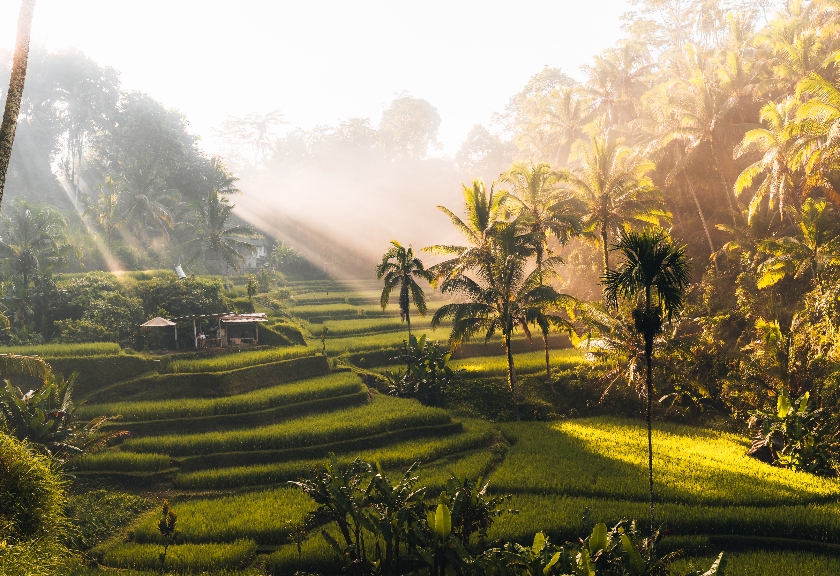
From Bali, Gianyar made the list thanks to sustainable management of cultural and natural destinations.
Areas like Ubud were deemed capable of maintaining cleanliness, managing tourism waste, and balancing Tourist Visits with local cultural preservation.
Meanwhile, Tomohon in North Sulawesi affirmed its charm as a clean and organized Mountain Tourism city.
Environmental management, cleanliness of Natural Destinations, and local government commitment were key factors bringing it to the ASEAN stage.
Indonesia wasn't the only standout. From Vietnam, Quy Nhon regained recognition for consistently maintaining coastal city cleanliness and Sustainable Tourism.
This city not only meets standards but sets new benchmarks for how developing cities can grow while keeping their green soul intact.
Quy Nhon's beauty, often called the Maldives of Vietnam, increasingly resonates. Ky Co Beach with turquoise waters and dramatic cliffs becomes a magnet. Meanwhile, the ancient Banh It and Thap Doi towers offer serene spiritual contrast.
This city offers a blueprint for tourism's future. Waters remain clear, streets clean, and welcomes as warm as tropical sunshine.
From the Philippines, Iloilo City, City of Ilagan, and Tabuk City excelled in waste management, public space cleanliness, and visitor-friendly tourism facilities.
Myanmar was represented by Pindaya and Hpa-an, which successfully maintained cleanliness in natural and cultural destinations.
Every nominated city passed rigorous environmental and urban standards "stress tests". Assessment covered seven aspects: Environmental Management, Cleanliness and Hygiene, Waste and Wastewater Management, Environmental Awareness, Green Spaces, Health and Safety, and Tourism Infrastructure.








Belum ada komentar. Jadilah yang pertama!