
Uncovering Facts About Viral Snowfall on Saudi Arabia's Jabal al-Lawz

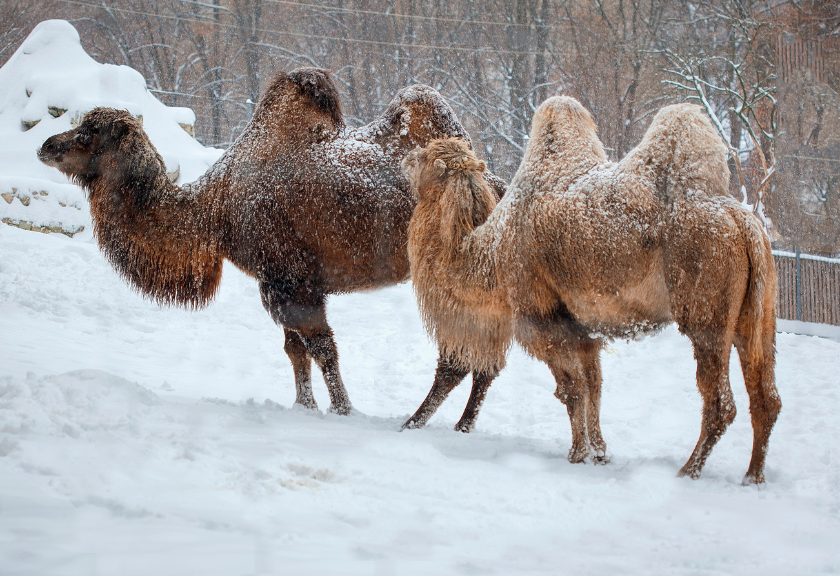
Source: Canva
When photos and videos of snow-covered Jabal al-Lawz circulated widely on social media, many people outside Saudi Arabia were surprised. The landscape typically associated with sandy deserts dramatically transformed into a white expanse resembling the Alps or Scandinavia. Snow covered mountain peaks and slopes, temperatures dropped below freezing, and locals and tourists engaged in winter activities rarely seen on the Arabian Peninsula. However, this phenomenon is not as unusual as many imagine.
Jabal al-Lawz itself is the highest peak in the Tabuk region of northwestern Saudi Arabia, with an elevation reaching about 2,580 meters above sea level. This height starkly contrasts with the surrounding desert oases, resulting in a colder climate prone to Extreme Weather phenomena, including snow.
As one of the highest mountains in the Arabian Peninsula, "Jabal" means mountain, while "al-Lawz" means almond, referring to the presence of almond trees in the area.
READ ALSO
Saudi Arabian Long-Stay Tourists Potential as Indonesia's Tourism Target
Saudi Arabian Culinary Tourism: From National Dishes to Legendary Cuisine
AFC Officially Announces 2027 Asian Cup Schedule
Beyond the name or legends surrounding it, what has captured public attention recently is How the snow phenomenon there became a global spotlight, especially when temperatures reportedly dropped below zero degrees Celsius and the arid landscape completely transformed.
White Painting in the Desert
The snowfall at Jabal al-Lawz indeed creates a scene contrasting with Saudi Arabia's globally recognized image. Typically, news about the desert nation features extreme daytime temperatures soaring, vast stretches of arid sand, and heat potentially unbearable for foreign visitors. However, northern regions like Tabuk are different.
According to reports from various international media and Saudi meteorological authorities, snow falls on Jabal al-Lawz due to a combination of the mountain's elevation and cold air masses moving from the Mediterranean region.
These cold air masses bring precipitation and temperatures much lower than Saudi Arabia's typical desert climate. On some occasions, temperatures at Jabal al-Lawz's peak even fell below minus 4 degrees Celsius during snowfall, a phenomenon capable of instantly transforming the landscape into a snow-covered white blanket.
Such phenomena are rare in most parts of Saudi Arabia but are neither strange nor without meteorological basis. Tabuk, where Jabal al-Lawz is located, is indeed known for its colder climate, especially in winter. Snow seasonally falls annually in Saudi Arabia's northern mountainous regions, including Jabal al-Lawz, Hail, and Al-Jouf. This is due to their geographical proximity to the Jordanian border and highlands more susceptible to cold air masses from the Mediterranean and North Africa.
As explained by Saudi weather reports and meteorological agencies, every winter (December to February), this region has the potential to receive light or even heavy snowfall on mountain peaks.
So although snow in Saudi Arabia is often perceived as extraordinary or viral on social media, scientifically, snow at Jabal al-Lawz is part of a natural regional weather cycle.
For comparison, many high-elevation mountains worldwide experience annual snowfall, even in zones generally having hot climates at lower altitudes. This is similar to snow on tropical mountains like the Andes or Kilimanjaro, where elevation is the dominant factor drastically altering temperature and precipitation patterns.
From Winter Tourism to Meteorological Objectives
When snow blankets Jabal al-Lawz's slopes, the phenomenon attracts global attention not only for its contrast to the desert landscape typically associated with Saudi Arabia. Snow has also become a magnet for unique winter Tourism in this area, even before the recent viral phenomenon.
Some reports indicate that the annual snowfall at Jabal al-Lawz has drawn tourists, locals, and nature enthusiasts to experience this rarity in the Middle East. Common activities include snow play, photographing white landscapes, and exploring snow-covered hiking trails.
In previous winters, residents and visitors even engaged in activities like hiking or enjoying the seasonally falling snow. This shows that snow has actually become part of the natural cycle in certain parts of Saudi Arabia, not merely a fleeting phenomenon.
Nevertheless, Extreme Weather like heavy snow still requires caution. Local authorities such as the National Center for Meteorology have issued weather warnings and safety advisories during such events. They remind people of potential hail, strong winds, and slippery road conditions due to ice formation in the mountains.
Throughout the past week, this phenomenon has turned Jabal al-Lawz's peak into an attractive seasonal Tourist Destination. The usually hot desert atmosphere transformed into a winter playground, enriching perspectives on the kingdom's climatic diversity beyond just sun-scorched deserts.
In various viral online videos, people are seen improvising skiing, taking family photos, or simply enjoying the cold air unfamiliar to tropical desert regions. This representation shows how snow is not only a meteorological phenomenon but also part of the distinctive winter highland living experience.
Snow at Jabal al-Lawz is No Rootless Surprise
The viral photos and videos of snow-covered Jabal al-Lawz have sparked global admiration. However, from a scientific perspective, this phenomenon is not merely a strange new meteorological occurrence but a real expression of the mountain climate in northern Saudi Arabia during winter.
Annual snowfall in mountains like Jabal al-Lawz is indeed rarer than in temperate or cold climates, but it has been recorded and experienced periodically during winter. Extreme temperatures, cold air masses from the Mediterranean, and high elevation are the causative factors—not coincidences without scientific basis.
Thus, the snowfall at Jabal al-Lawz is not just a rare scene worthy of social media attention but also part of regional climatic complexity often overlooked in the common narrative of Saudi Arabia as a desert nation. This experience shows that Earth holds diverse natural surprises waiting to be studied—and sometimes, to be enjoyed.










Belum ada komentar. Jadilah yang pertama!