
Saudi Arabian Culinary Tourism: From National Dishes to Legendary Cuisine

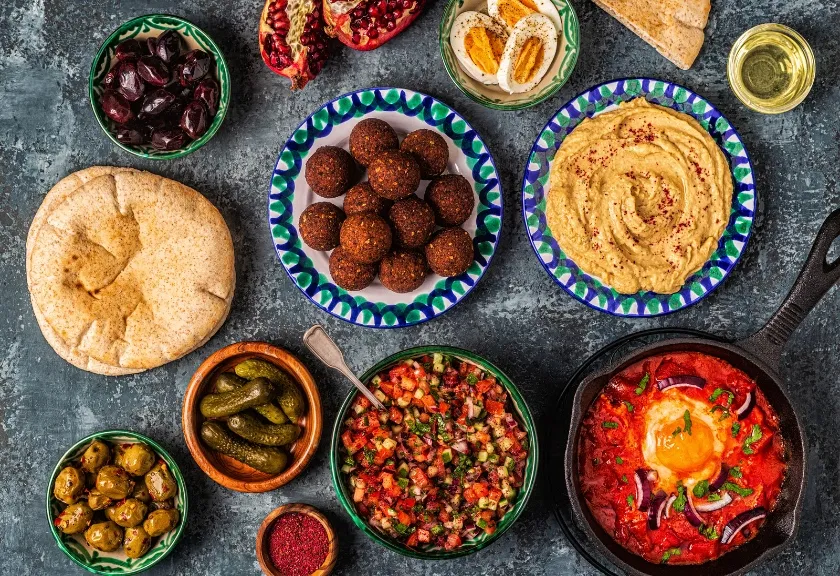
Source: Envato
Beyond the vast deserts and modern cities, Saudi Arabia holds a History of Spices and family traditions. The country's cuisine is renowned for its strong aromas and abundance of rice-based dishes, meat, vegetables, and dates—ingredients that have long been the heartbeat of Arabian Peninsula kitchens.
For travelers visiting Riyadh, Jeddah, or Medina, exploring Saudi Arabia remains incomplete without tasting local dishes.
From a plate of warmly spiced rice to crispy street snacks, every dish reflects Cultural Heritage, shaped by ancient trade routes and Saudi household hospitality.
READ ALSO
Minang Cuisine in Singapore, Warong Nasi Pariaman Closes on January 31 After 78 Years
Saudi Arabia Opens First Alcohol Store in Riyadh, Strict Rules Enforced for Buyers
How Saudi High-Speed Train Encourages Travelers to Use Traffic-Free Transport Between Madinah-Jeddah
1. Kabsa
One of the nation's greatest culinary icons is Kabsa, Saudi Arabia's national dish.
This rice dish is cooked with meat and vegetables, enriched with dried fruits and nuts, giving it texture and a subtle sweetness.
Kabsa is often served in large portions for communal dining, emphasizing togetherness in Saudi dining culture.
2. Mutabbaq
If Kabsa is a family feast, Mutabbaq is the pulse of city streets. This snack features flat dough filled with meat, eggs, garlic, ghee, onions, and peppers.
Fried until golden brown, Mutabbaq offers a crispy exterior and savory, melting interior.
3. Burj Al Hamam
In the capital Riyadh, food lovers also know Burj Al Hamam, a traditional Lebanese restaurant established since 1979.
This venue is a popular dining destination, serving homestyle Middle Eastern flavors in an elegant ambiance, showcasing Saudi Arabia's embrace of regional culinary richness.
4. Mofatah Al Dajaj
For fans of spiced rice, there's Mofatah Al Dajaj, a Saudi specialty of chicken and rice.
This dish highlights aromatic spices.
Chicken pieces are stir-fried then slow-cooked before being served atop fragrant basmati rice.
It proves that despite sharing rice-and-meat foundations, each Saudi recipe carries distinct flavor profiles.
5. Maamoul
As dusk falls and Arabic Coffee is poured, Saudi family tables often feature Maamoul.
These ancient date-filled pastries have a crumbly texture that melts instantly in the mouth.
Not overly sweet yet rich in aroma, they pair perfectly with tea or coffee.
Saudi Arabian Cuisine mirrors the country's landscape—simple in base ingredients yet complex in flavor.
Spices like cardamom, cinnamon, cloves, and cumin bridge past and present, uniting generational recipes with modern Lifestyles.
For Indonesian Tourists, many Saudi dishes feel familiar due to similarities with nasi kebuli, biryani, and communal dining traditions.
Yet in their homeland, each bite carries deeper layers of story—of deserts, caravan routes, and homes always open to guests.
Exploring Saudi Arabia means exploring its kitchens. From the grandeur of Kabsa to the tenderness of Maamoul, the country offers a flavor journey as captivating as its deserts and historical sites.










Belum ada komentar. Jadilah yang pertama!