
Dive into the World of Jeju Haenyeo: The Fascinating Tradition of Female Divers

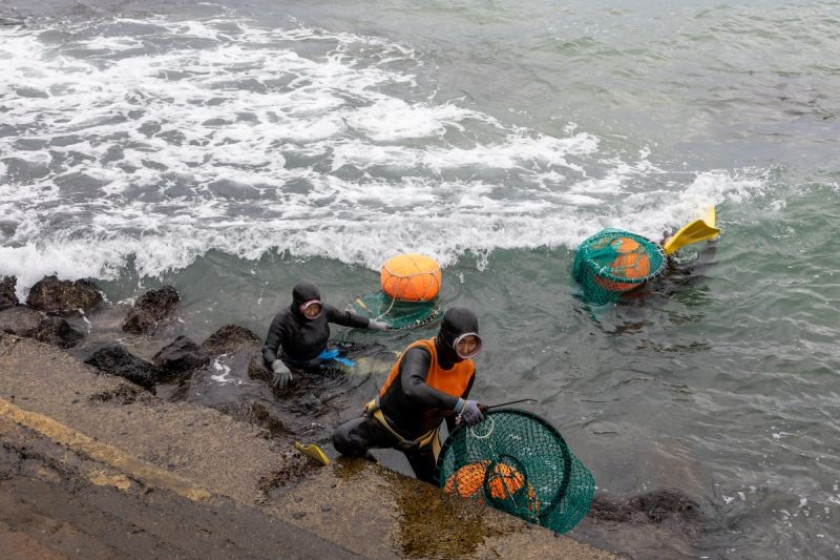
Source: Ade Irma Junida/Antara
For fans of Korean dramas, Jeju Island and the haenyeo are certainly familiar. The popular series 'When Life Gives You Tangerines' has brought the unique cultural heritage of South Korea's largest island to a global audience, telling the story of a haenyeo's daughter who aspires to be a poet.
Haenyeo are the female traditional divers of Jeju who have practiced this profession for nearly a thousand years. Relying solely on their breath and skills, they dive without any equipment to gather various sea products such as sea cucumbers, abalone, shellfish, and seaweed.
Originally, this diving tradition wasn't exclusively practiced by women. But due to the high risks faced by male divers, women gradually took over this role. From Jeju, this tradition spread to various coastal areas, even reaching Japan and China.
READ ALSO
Indonesia and South Korea are preparing more attractive tourism collaborations.
Vacations to South Korea Are Getting Easier: Indonesian Citizens Can Now Enter Visa-Free With These Requirements
Chasing Cherry Blossoms in South Korea, Blooming Earlier in 2026
A Thousand-Year Legacy Beneath the Waves
In Sagye-ri Village, Seogwipo, lives a living legend. Lee Bok-soo (71) has been a haenyeo for over half a century. On a cool November morning in 2025, she shared stories with ASEAN journalists through a program organized by the ASEAN-Korea Centre.
"We learned to dive naturally since childhood. After school, there was nothing to do but swim and play in the sea," Lee recalled with her characteristic smile.
This grandmother of two began her professional haenyeo career at 18-19 years old. "Being a haenyeo is something I fully committed to. Perhaps this hard work is what keeps me looking young," she said with a laugh.

Source: Ade Irma Junida/Antara
Technology and Tradition Merged
Modern haenyeo are equipped with improved gear: rubber wetsuits, fins, large round diving masks, and tewak - round buoys that serve both as position markers and catch containers. They also carry bitchang, iron hook-shaped tools to pry abalone from rocks.
Lee still moves agilely underwater, proof of decades of experience that have made her part of the sea itself. Like a caring mother, she repeatedly reminded journalists to avoid the slippery stone steps on the pier.
Between Pride and Concern
The Korean drama boom about haenyeo has brought unexpected blessings. "From May to October, many tourists come to experience being haenyeo," Lee said proudly.
Yet behind this pride lies deep concern. Of Sagye-ri's 35 haenyeo, only three are under 60 years old. Two of them are even men. More worryingly, none of these haenyeo's children want to continue the tradition.
"I have two daughters, and I don't want them to become haenyeo. They themselves say it's too difficult watching their mother do this work," Lee shared.
The profession carries significant risks: headaches from water pressure, chronic back pain, and ocean accidents. Lee admits she wouldn't recommend this job to young people.

Source: Ade Irma Junida/Antara
A Future at Stake
Jeju Provincial Government isn't standing idle. They've issued special regulations to preserve the haenyeo tradition, providing incentives like medical cost assistance, elderly haenyeo allowances, and support for young haenyeo.
Jeju Governor Oh Young-hun acknowledged that while the haenyeo population keeps declining, tourist interest is increasing. "Last year, Jeju attracted about 2 million tourists, nearing pre-pandemic numbers," he said.
This UNESCO-recognized cultural heritage (2016) lives on through various tourist attractions: cultural tours, traditional village explorations, seafood cooking classes, and of course, the Haenyeo Museum presenting the tradition's complete history.
Lee Bok-soo may represent the paradox facing many cultural heritages: proud of the tradition she upholds, yet realistic about future challenges. "I'll keep diving for maybe 5 or 10 more years. But if reborn, I'd like to get higher education and work in an office," she said emotionally, quoted by Antara, 11/24/2025.
In the tension between preservation and change, between tradition and modernity, the haenyeo continue their eternal dance with the sea - a legacy too precious to lose, yet too heavy to maintain.






Belum ada komentar. Jadilah yang pertama!