
Tourist Surge in East Sumba, Exotic Destination Now Coveted by Travelers

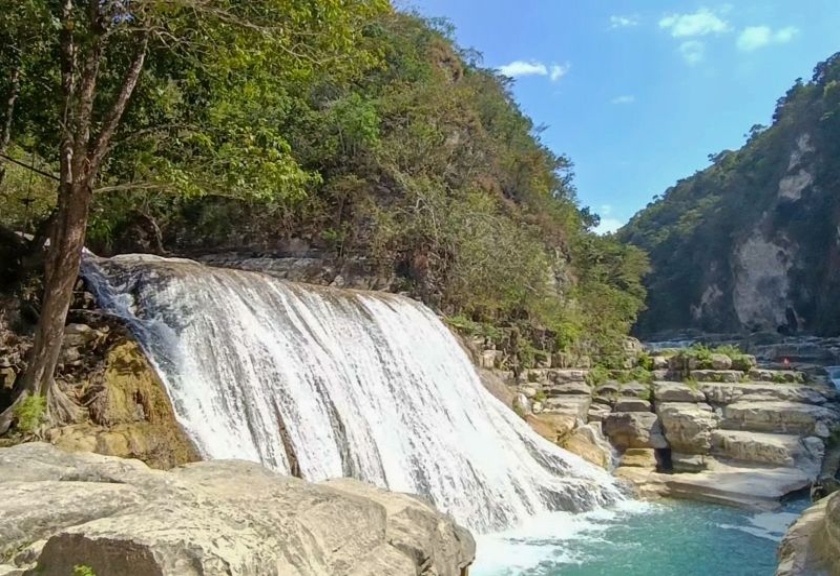
Source: Antara/Personal documentation
East Sumba, a regency renowned for its sweeping savannas and exotic landscapes, is now entering a new chapter in Indonesian tourism. The year 2025 marks its transformation from merely a "hidden gem" into a destination shining brightly on the radar of both domestic and international travelers.
From January to September 2025, tourist visits to East Sumba reached 30,340. This figure isn't just a statistic; it's proof that the region's tourism and economic engines are accelerating.
"This visitation consists of 4,211 foreign tourists and 26,129 domestic travelers," stated Yudi Umbu Rawambaku, Head of the Tourism Marketing Division at East Sumba's Culture and Tourism Office (Disparbud).
READ ALSO
Top 3 Most Visited Tourist Destinations in East Sumba Throughout 2025
Indonesia Promotes Digital Tourism at APEC, Travelers Will Experience Easier Vacations
Indonesia and South Korea are preparing more attractive tourism collaborations.
This surge indicates one clear fact: East Sumba is a rising star.
Visits Skyrocketing Year After Year
East Sumba's tourism revival is no coincidence. Disparbud data shows momentum building since the post-pandemic period.
In 2021, tourist visits hit 16,539 people, a 54.404 percent increase from the previous year. Then, the number soared dramatically in 2022 to 46,298 people, or 74.195 percent higher.
Although it dipped slightly to 38,854 people in 2023, the positive trend rebounded in 2024 with a total of 41,812 visits, a 69.45 percent increase.
All these numbers lead to one conclusion: East Sumba is cementing its position as one of the most dynamic destinations in Eastern Indonesia.
Focus on Sustainable Development
This rapid growth isn't solely due to natural beauty. A meticulously designed strategy underpins it.
"Currently, our tourism development focuses on five key ecosystems: destination, marketing, industry, institutional, and human resources. All emphasize sustainability and innovation strategies," explained Yudi.
This approach transforms how East Sumba promotes itself. Tourism is no longer about fleeting visits; it's about how the destination is ready to welcome tourists in a more environmentally friendly, structured, and community-involved way.
One tangible step is the establishment of 14 integrated tourism villages combining nature, marine, and culture, now spearheading authentic tourism experiences in East Sumba.
Collaboration and Tourism Villages as New Engines
The East Sumba Regency Government understands sustainable tourism cannot operate alone. Therefore, it fosters cross-agency collaboration involving central government, private institutions, and NGOs.
These efforts are directed towards building community-based tourism where villages manage operations, reap benefits, and tourists enjoy more intimate and natural experiences.
East Sumba is increasingly known for villages offering hill vistas, stunning secluded beaches, majestic traditional houses, and timeless cultural rituals.
Behind Popularity, Looming Social Challenges
Rising popularity certainly brings consequences. Yudi warned that the rapidly growing sector still requires vigilant oversight.
"Tourism is a leading sector that brings many benefits. However, we must also be wary of negative impacts like waste, prostitution, narcotics, and human trafficking. These adverse effects will impact future generations if not addressed early," he concluded.
East Sumba Towards 2026: An Exotic Destination Gaining Global Recognition
With surging visits and a structured development approach, East Sumba is at its prime moment to expand further on the national and international tourism map.
From the magical sunset at Walakiri Beach, the dramatic Wairinding Hills, to ancient villages preserving centuries-old stories, East Sumba now stands as a destination not only beautiful but also evolving intelligently.
If this trend continues, it's quite possible East Sumba will become one of Asia's premier destinations in the coming years.(Antara)









Belum ada komentar. Jadilah yang pertama!