
West Papua Develops Triton Bay Marine Paradise and Arfak Biodiversity

Source: Antara/Virna Puspa Setyorini
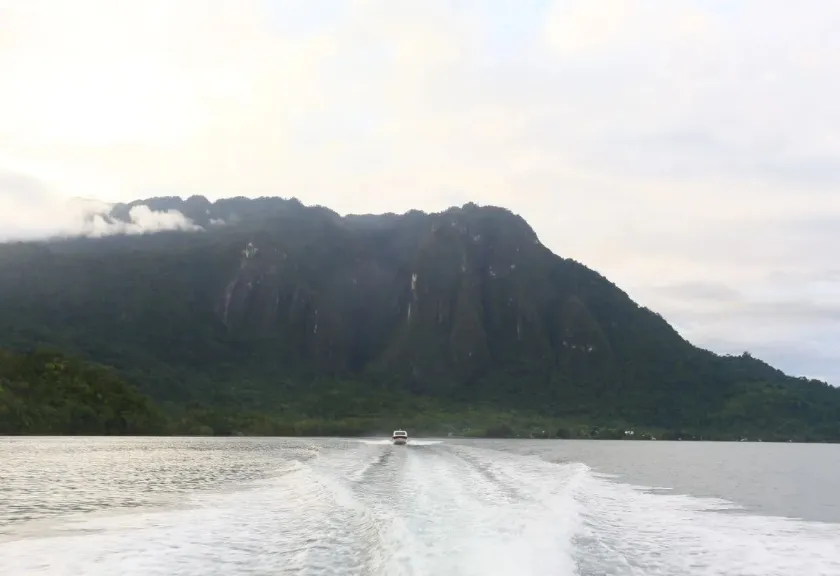
Triton Bay and the Arfak Mountains have become the central focus for the regional government when building the future of West Papua Tourism. The West Papua provincial administration has designated these two areas as priority destinations to strengthen tourism competitiveness while growing Tourist Arrival Numbers.
The coastal zone of Triton Bay is recognised for its clusters of karst islands, marine waters rich with aquatic life, and intact coastal cultural traditions. Meanwhile the Arfak Mountains feature tropical montane rainforest with unique endemic biodiversity that attracts both academic researchers and nature enthusiasts.
Head of West Papua Tourism Agency Jafar Werfete confirmed that development plans for both destinations have been incorporated into the provincial tourism master plan document, which is currently under review with the regional legislative council.
READ ALSO
Mark the date! Mount Bromo will be temporarily closed starting 30 May 2026.
Tourist Visits Increase, Tourism Supports Banyuwangi's Economic Growth.
Awesome! Bandung Ranks Among Asia's Top 5 Travel Destinations
"These two destinations are also formally listed in the National Medium Term Development Plan (RPJMN)", Jafar stated during an interview in Manokwari.
For West Papua, growing the tourism sector is not simply about making scenic locations more well known.
The regional government is committed to ensuring tourism growth progresses hand in hand with meaningful participation from local communities and strict environmental protection.
According to Jafar, all development work for Triton Bay and the Arfak Mountains will follow the core 3A framework: Attraction, Accessibility and Amenities.
Natural and cultural attractions form West Papua's inherent strength, spanning indigenous customs, traditional performance arts, and largely untouched, authentic natural landscapes.
"When it comes to attractions, West Papua already possesses extraordinary natural wealth, living culture, traditional practices and more. It is accessibility and supporting amenities that require full focused effort right now", Jafar explained.
The most pressing current challenges are reliable transport access to the destinations and adequate supporting facilities.
Most tourist areas across West Papua still require upgraded transport connectivity, stable telecommunication networks, proper accommodation, food service outlets and standard sanitary facilities to ensure visitor comfort.
However the regional government has emphasised that development will not be limited only to physical infrastructure. Local residents are positioned as a core component of the Sustainable Tourism ecosystem.
"We do not only build the destinations themselves. Equally important is preparing local communities so they can take active roles and receive direct benefit from this growth", he added.
Officials are confident that developing these two priority sites will create positive spillover effects for other destinations across West Papua, including Cenderawasih Bay National Park, Fakfak, Bintuni Bay and South Manokwari.
With its intact marine ecosystems, ancient rainforest and living indigenous cultures, West Papua is working to deliver authentic, responsible Travel Experiences that connect visitors directly with local communities.
"We are not ignoring Tourism Potential in any other district, including Manokwari. Once these two priority destinations are successfully established, the benefits will extend to every region across West Papua", he concluded.









Belum ada komentar. Jadilah yang pertama!