
8 Iconic Chinatowns Steeped in History in Indonesia, No.2 & 3 in One City

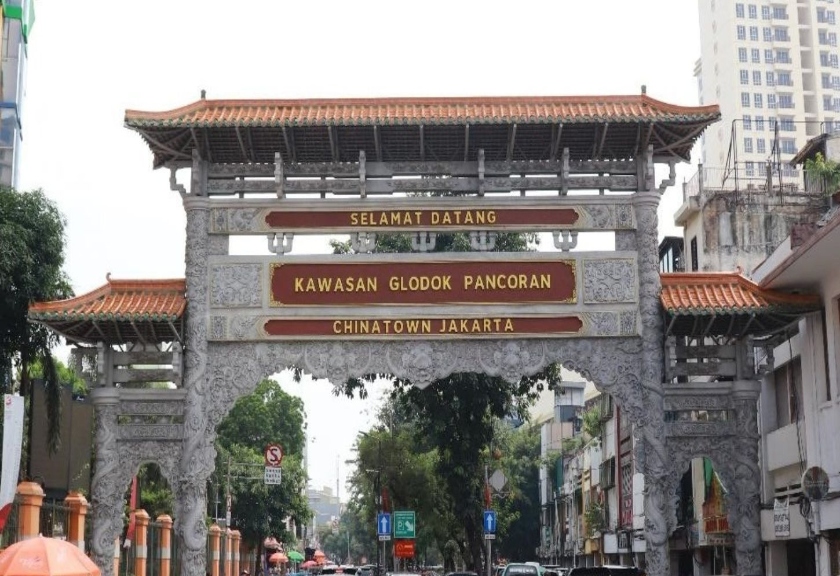
Source: jakarta-tourism.go.id
Chinatowns in Indonesia bear witness to the long historical journey of major cities. From the colonial era to the modern age, these areas have grown as centers of trade, culture, and culinary.
When Chinese New Year arrives, Chinatowns always transform into spaces of celebration. From Jakarta to West Kalimantan, here are eight iconic Chinatowns that remain vibrant and continue to tell their stories.
1. Glodok - Jakarta
READ ALSO
Cultural Tourism in Egypt: China Spring Festival 2026 Celebrates Friendship
Chinese Tourists Choose This Country for 2026 Lunar New Year Holidays, Japan Left Behind
Chinese New Year Holiday More Exciting! Special Programs at Prambanan and Borobudur
Glodok is known as the oldest Chinatown in Indonesia. This area in West Jakarta was born from a long history. To this day, traces of the past remain palpable.
Behind modern buildings, Glodok retains its old character. Narrow alleys, centuries-old temples, and traditional shops selling electronics and specialty foods keep this area bustling and lively.
2. Kya Kya (Kembang Jepun) - Surabaya
In Surabaya, Kya Kya or Kembang Jepun has long been a trading hub. During the colonial era, this area was known as Handelstraat (meaning "trade street").
The name Kembang Jepun emerged during the Japanese occupation and has endured to this day.
Historical buildings like the Han Family Columbarium and Hok An King Temple stand as strong markers of the Chinatown identity here.
Cultural performances and rows of specialty eateries keep Kya Kya vibrant from day to night.
3. Kapasan Dalam Chinatown - Surabaya
Still in Surabaya, Kapasan Dalam Chinatown offers a more visually striking Chinatown atmosphere. This heritage village sits right behind Boen Bio Temple and was officially introduced as a tourist area in 2020.
Red lanterns, Qing Dynasty-themed murals, and dragon ornaments at the village entrance immediately greet visitors. Kapasan Dalam is also known for its distinctive oriental snacks.
4. Sudiroprajan (Kampung Balong) - Solo
Solo's Chinatown centers around Kampung Balong in Sudiroprajan. The Chinese community has lived here since the 18th century. The name "Balong" has many origin stories, ranging from battle tales to the roots of Chinese merchants.
Since ancient times, Sudiroprajan has developed as a trading area. Chinese-style architecture and old shops still stand, making this area a vital part of Solo's history and economy.
5. Kauman Chinatown - Semarang
Kauman Chinatown is located near Semarang's Old Town. This area emerged from the relocation of the Chinese community after the 1740 incident. From this new settlement, Kauman Chinatown grew as a center of trade and culture.
Waru Alley, Sebandaran, and Pinggir Alley form the main pulse of community activity. The area's layout is believed to follow feng shui principles, combining religious, culinary, and commercial functions in one space.
6. Bukit Nagoya - Batam
Despite its Japanese-sounding name, Bukit Nagoya is known as Batam's Chinatown. Located in the Sungai Jodoh area, it has now developed into an entertainment and shopping center.
The Chinese community in Bukit Nagoya still actively practices religious traditions in various temples. The area also holds old stories about traditional crossing routes BETWEEN Batam and Singapore.
7. Singkawang - West Kalimantan
Singkawang earns the nickname "City of a Thousand Temples" due to its strong Chinese culture. Daily life here is deeply intertwined with traditions, especially during Chinese New Year and Cap Go Meh.
Singkawang's Cap Go Meh Festival is widely known for its tatung parades, art performances, and vibrant city decorations. Preserved traditions make Singkawang Indonesia's most distinctive Chinatown.
8. Asia Mega Mas - Medan
Unlike old Chinatowns, Medan's Asia Mega Mas reflects a modern Chinatown face. This area serves as both a hub for Chinese community activities and a popular culinary destination.
By late afternoon, the area comes alive. Rows of signature Chinatown foods are easily found, making it a favorite spot for Culinary Tourism and a gathering place for Medan residents.
Chinatowns in Indonesia are more than ethnic enclaves. They are living spaces that record history, cultural encounters, and the passage of time. Exploring Chinatowns means retracing the long journey of Indonesia's cities.









Belum ada komentar. Jadilah yang pertama!