
Taj Mahal Regains Status as India's Most Popular Destination, Its Charm Remains Undiminished.

Source: Envato
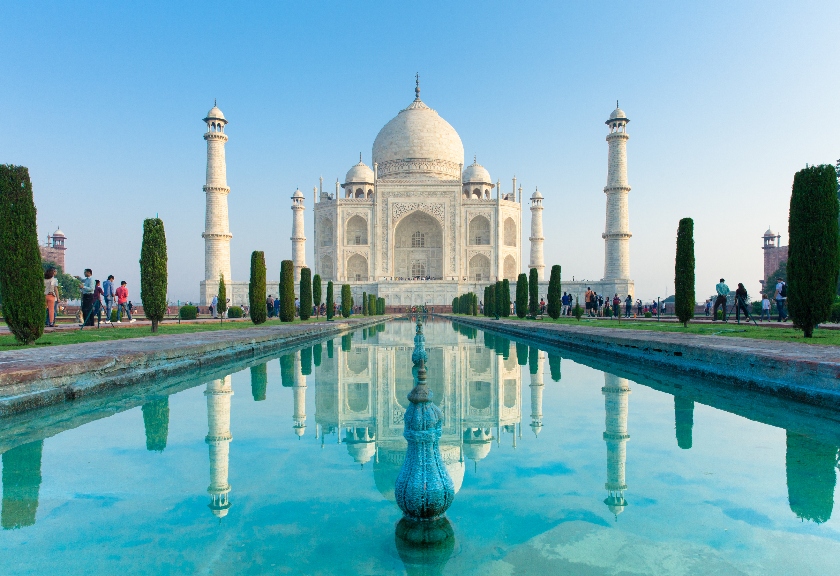
Amidst the grandeur of India's historical sites, the Taj Mahal reaffirms its position as the primary magnet for the nation's Tourism. This magnificent structure along the Yamuna River has again been declared India's most popular destination, coinciding with India's National Tourism Day celebrations.
Annually on January 25, India observes National Tourism Day. Early this year, India designated the Taj Mahal as the most-visited tourist site for the 2024-2025 period.
As reported by IndiaTVNews on Monday, January 26, 2026, this recognition extends the Taj Mahal's legacy as an irreplaceable global Tourism icon.
READ ALSO
3 Asian Countries Rank Among The Top 10 Nations With The Most UNESCO World Heritage Sites – Is Indonesia Included?
5 Hidden European Islands Perfect for Solitude-Seeking Travelers
Travel Alert: Canada Asks Citizens to Avoid High-Risk Areas in India
According to Archaeological Survey of India (ASI) records, the Taj Mahal consistently outperforms other sites in annual visitor numbers.
This distinction stems not just from visitor volume but from its symbolism, narrative power, and timeless relevance, cementing its status as the world's beloved monument.
The Taj Mahal's primary allure lies in its legendary love Story. Mughal Emperor Shah Jahan commissioned this monument to memorialize his wife Mumtaz Mahal.
More than an architectural marvel, it represents frozen emotion. Standing within a nearly 17-hectare Mughal garden in Agra District, Uttar Pradesh, it conveys a timeless narrative of love, loss, and eternity.
Its uniqueness is also evident in its color-changing ability. The white marble surface reflects light differently throughout the day.
During sunrise and sunset, the structure transforms into hues of pink, yellow, orange, blue, and silver—a visual spectacle creating paradise for photographers and landscape enthusiasts.
Accessibility further solidifies its premier status. Connections via road, Railway, and air networks exist.
Tourists from Delhi, for instance, can reach Agra quickly, making this monument an essential stop on Indian itineraries.
As a UNESCO World Heritage Site, the Taj Mahal undergoes continuous monitoring and Conservation.
India's government implements global preservation standards and strict visitor management to protect the monument while ensuring memorable experiences despite rising tourist numbers.
India indeed possesses numerous stunning sites: Qutub Minar, Red Fort, India Gate, Hawa Mahal, and Amer Fort.
Yet the Taj Mahal remains the prime attraction. Many Foreign Tourists plan India trips specifically for the Taj Mahal before exploring other iconic locations.
The Taj Mahal's beauty also derives from extraordinary materials: white marble combined with red sandstone and precious stones including jasper, jade, crystal, turquoise, and sapphire.
Sourced from regions spanning India, Afghanistan, China, Sri Lanka, and Tibet, these materials make the Taj Mahal a symbol of cross-cultural artistic, cultural, and civilizational convergence.









Belum ada komentar. Jadilah yang pertama!