
Aesthetic Tourism Becomes Trend, Bekasi Catches Gen Z Travelers' Eyes

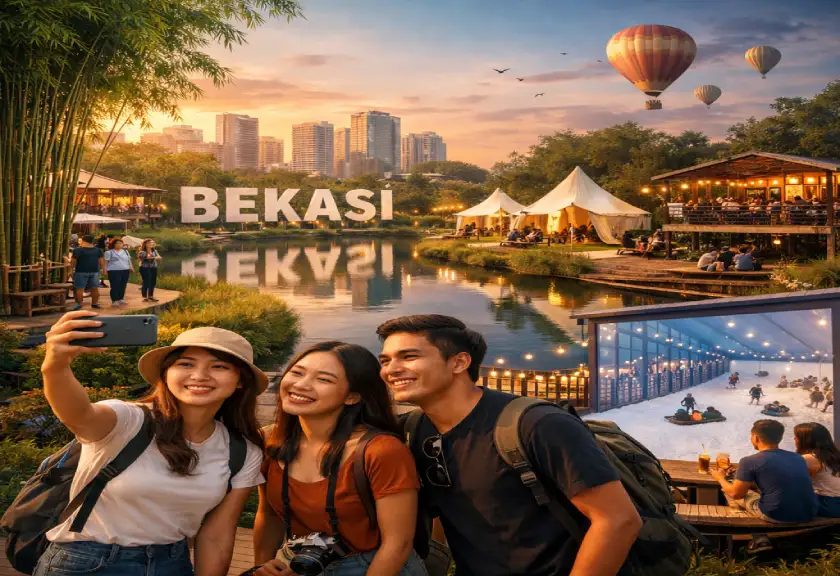
Source: AI Chat GPT
Travel is no longer just about going and returning. For Gen Z, journeys are visual experiences, spaces for expression, and a way to recover from routine. This trend is boosting the popularity of several Tourist Destinations in Bekasi City, now emerging as urban Holiday alternatives with an aesthetic touch.
Hospitality industry representative, Yudhitia Kurniawan, believes Gen Z has a different approach to choosing destinations. Visual aspects are now a primary consideration, yet still go hand-in-hand with comfort and relaxation needs.
"Gen Z is very selective. They seek places that are not only comfortable but also have strong visual character. Shareable experiences become an important added value," said Yudhitia in a statement received in Jakarta, Friday, January 23, 2026.
READ ALSO
Gen Z Reshapes Global Travel Map 2026, Prioritizing Vacations Over Careers
Gen Z Drives Visual Tourism Trend, Bekasi Destinations Gaining Popularity
Gen Z's Top 10 Favorite Cities for Short Getaways, No. 4 is Indonesia's Neighbor
This behavioral shift is pushing Tourism and hospitality industry players to adapt. Thematic designs, photogenic communal areas, and lighting that supports the visual experience are now crucial elements in creating destinations relevant to young tourists.
Central Statistics Agency (BPS) 2025 data shows the main motivation for Gen Z to travel is still dominated by the need for refreshing at 67.2%. Meanwhile, cultural exploration contributed 18.5% and the search for new experiences 14.3%. These figures confirm that despite the proliferation of social media content, travel remains a space for emotional recovery and meaning-seeking.
In Bekasi, the Visual Tourism trend is gaining momentum. Several destinations like Hutan Bambu Bekasi, Sabana Delta Mas, Situ Rawa Gede, and Trans Snow World Bekasi offer experiences combining nature, open spaces, and thematic attractions. This combination aligns with the character of Gen Z, who enjoy light exploration without Traveling far from the city center.
Yudhitia sees this phenomenon as a major opportunity for developing urban tourism and the Creative Economy in Jakarta's buffer zone.
"Instagrammable tourism isn't just about photos. If managed well, aesthetics can be a gateway to boosting the local economy and introducing previously lesser-known destinations," he said.
More than just a fleeting trend, visual tourism is seen as capable of strengthening Bekasi's identity as a city with diverse urban experiences. Easy access, varied destination choices, and increasingly creative spatial concepts make Bekasi relevant for Young Travelers seeking brief yet memorable experiences.
Looking ahead, Yudhitia hopes the development of visual tourism won't only focus on digital content needs but also prioritize sustainability and public space quality.
"With accurate data integration and targeted regional planning, Bekasi is now preparing to become a leader in the urban tourism market in West Java, targeting a generation that values both beauty and the meaning of a journey," said Yudhitia, who is part of the marketing team at The Ascott Limited.
This trend marks a shift in how Young Generations perceive travel. Bekasi, long synonymous as a buffer city, is now gradually building a new image as an urban destination worthy of Gen Z's short holiday list.









Belum ada komentar. Jadilah yang pertama!