
Skyrocketing! 41,800 Foreign Tourists Denied Entry to Singapore, Here's Why

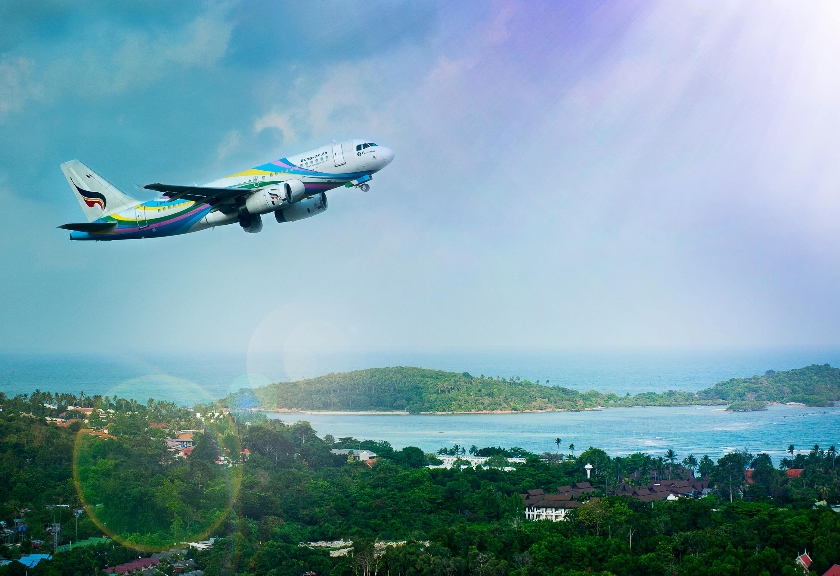
Source: Pexels
Traveling abroad has long been synonymous with immigration queues at the destination airport. However, in Singapore, that concept is beginning to shift. Screening no longer starts when the plane's wheels touch the runway, but much earlier – even before passengers board the aircraft.
This change is reflected in the latest data showing a sharp surge in entry denials to Singapore.
Singapore authorities recorded 41,800 foreigners denied entry to the country from January to November 2025. This figure is not just a statistic, but a signal that global mobility is now entering a new phase: more digital, stricter, and more structured.
READ ALSO
Japan Displaces Indonesia as Australian Tourists' Top Holiday Destination
Malaysian tourists are the top contributor to Indonesia's foreign tourist arrivals.
Amid China Tensions, Japan Tourism Soars in 2025
This number has surged sharply compared to previous years and is prompting the government to tighten surveillance by implementing a new system involving Airlines starting in 2026.
Screening Starts at the Departure Airport
Starting in 2026, the selection process for travelers to Singapore will fundamentally change. According to the Immigration and Checkpoints Authority (ICA), starting January 2026, several airlines will implement the No-Boarding Directive (NBD) scheme.
Through this system, passengers deemed ineligible to enter Singapore will be prevented from boarding the aircraft right at their departure airport. In the initial phase, several major airlines like Singapore Airlines, Scoot, Emirates, Turkish Airlines, and AirAsia will be part of this system.
ICA stated that more airlines will join starting March 2026.
For travelers, this means the journey process will feel shorter at the destination airport but much more decisive at the starting point.
Surge in Numbers and Layered Technology
The surge in entry denials did not happen without reason. ICA data shows that the number of entry denials from January to November 2025 was nearly 26% higher than the total for all of 2024, and surged 46% compared to 2023.
This surge occurred after immigration authorities began using automated lanes equipped with document fraud detection technology and a multimodal biometric system.
This technology enables officers to quickly identify travelers attempting to enter using false identities, disguising themselves as someone else, or using more than one identity.
ICA Deputy Assistant Commissioner Joe Tan said that while technology plays a major role, the final decision still rests with humans.
"We do not outright deny someone just because they are identified as high risk. They will be stopped at the automated lanes upon arrival in Singapore for further checks," he said as quoted by the Strait Times website on Monday, December 22, 2025.
Officers then conduct interviews and investigations to ascertain the purpose and eligibility of the Traveler for entry. Not all risk flags result in denial.
Joe Tan emphasized that an NBD will only be issued for individuals confirmed to be prohibited from entering.
Travelers subject to an NBD can still apply to ICA if they wish to seek entry permission before rebooking their flight.
Singapore in the Global Travel Security Map
What Singapore is doing is not a unique experiment. Countries like the United States have been Running the Secure Flight program, which screens passengers in real-time using FBI watchlists.
Meanwhile, Australia operates the Movement Alert List managed by the Department of Home Affairs to monitor high-risk individuals.
Now, Singapore is positioning itself within this major global current of change.









Belum ada komentar. Jadilah yang pertama!