
Iran Conflict Shakes Middle East Tourism, Causing Losses of IDR 9.7 Trillion per Day

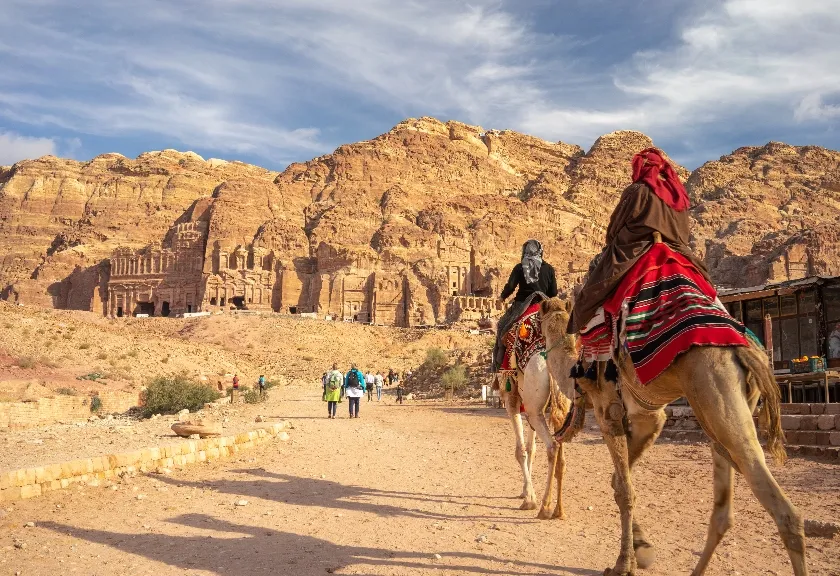
Source: Envato
The Middle East Tourism industry is already experiencing severe impacts from the escalating conflict in Iran. According to the latest report from the World Travel & Tourism Council (WTTC), the travel and tourism sector across the region is losing a minimum of 600 million US dollars per day, equivalent to approximately 9.7 trillion Indonesian Rupiah, in international tourist expenditure.
These losses stem from disrupted flight operations, eroding tourist confidence, and broken cross-border connectivity throughout the Middle East. This situation has triggered a significant decline in demand for Leisure Travel.
The Middle East holds a critical role in the global travel industry. The region accounts for roughly 5 percent of total worldwide international tourist arrivals, and handles approximately 14 percent of global international transit traffic.
READ ALSO
Indonesia Enters List of World Influencers' Favorite Alternative Destinations
US-Iran Conflict Strands Thousands of Tourists in Thailand
Ancient Petra City Affected by Middle East Conflict, Tour Cancellations Reach 100%
For this reason, any disruption within this region immediately impacts the Global Tourism industry. Effects are felt across airports, Airlines, hotels, car rental companies, all the way through to Cruise Ship operators.
Major regional aviation hubs including Dubai, Abu Dhabi, Doha and Bahrain are the most heavily affected locations. These four flight hubs normally serve approximately 526,000 passengers every single day.
However, the intensifying conflict has forced temporary closures and operational disruptions at multiple airports. This condition has significantly hampered both regional and international connectivity.
The WTTC analysis is based on baseline projections compiled before hostilities began. For 2026, the Middle East had been forecast to generate around 207 billion US dollars in full-year international tourist spending.
Given the scale of this economic value, even minor interruptions to travel flows are sufficient to trigger major financial consequences across the entire Tourism Ecosystem.
Despite facing these substantial challenges, the WTTC assesses that the travel and tourism sector remains one of the most resilient industries globally.
Drawn from experience across multiple prior crises, the tourism sector is considered capable of relatively rapid recovery provided governments and industry stakeholders act collaboratively.
WTTC President and CEO Gloria Guevara confirmed that historical records show the tourism sector can rebound within approximately two months following a security incident, on the condition that appropriate support is provided by authorities and industry operators.
"Travel and tourism is one of the most resilient sectors. The value of international tourist spending across the entire Middle East is enormous, averaging around 600 million US dollars per day. But history demonstrates this sector can recover quickly, especially when governments support travellers through measures such as hotel assistance or repatriation facilitation," Gloria stated, as quoted from wttc.org.
She further added that clear public communication, strong coordination between the public and private sectors, and concrete measures to strengthen security and stability are critical factors to restore tourist confidence.
The WTTC, which represents the global private travel and tourism sector, continues to monitor the unfolding situation closely and maintain intensive communication with governments and industry operators, to safeguard traveller safety and uphold the resilience of the global tourism industry.









Belum ada komentar. Jadilah yang pertama!