
Japan Allocates IDR 1 Trillion to Combat Coastal Erosion in Bali Through Beach Conservation

Source: Envato
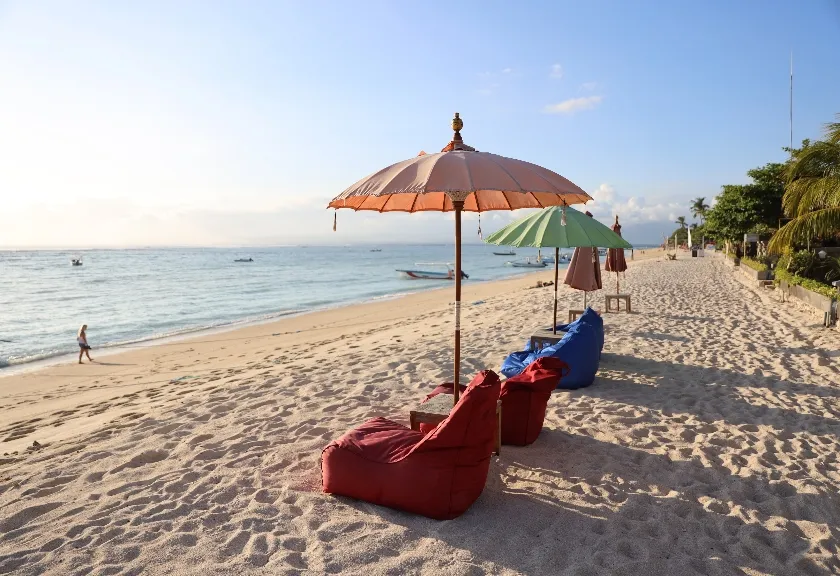
Behind the charm of its tropical landscapes, Bali faces the threat of erosion slowly eating away at its coastlines. The Japanese government continues its coastal Conservation project in Bali, aiming to control erosion impacts in several strategic coastal areas of the Island of the Gods.
This conservation project has entered Phase II with a value of 9.85 billion yen (approximately Rp1.08 trillion), targeted for completion in 2028.
"Japan remains committed to contributing to supporting the development of Indonesia we love," stated Japanese Consul General Miyakawa Katsutoshi to ANTARA in Denpasar, Bali, on Thursday.
READ ALSO
South Korea's Travel Warning: Tourism Ministry's Measures to Maintain Tourist Trust to Bali
Indonesia Enters List of World Influencers' Favorite Alternative Destinations
New Trend of Chinese Tourists to Bali: Young, Digital, and Solo Travel
From Kuta to Candidasa: Safeguarding Bali's Iconic Coastlines
The second phase covers several major Bali Tourist Destinations that have long been magnets for Global Tourism.
Package II includes the Kuta-Legian-Seminyak area in Badung Regency.
Package III covers Nusa Dua, Tanjung Benoa, and Sanur in Badung Regency and Denpasar City.
Beyond the tourist-heavy southern areas, conservation extends to Candidasa in Karangasem Regency under Package I – a region long known for erosion vulnerability.
The Directorate General of Water Resources at the Ministry of Public Works, the project management body, emphasized this initiative isn't merely a bilateral project but part of a national strategy for coastal sustainability.
The investment value for Phase II (2021–2028) increased compared to the first phase (2000–2008), reaching 9.5 billion yen (approximately Rp1.04 trillion).
This increase reflects the growing complexity of challenges and the critical importance of preserving Bali's coastal resilience as the backbone of Indonesia's Tourism.
Coastal Engineering Technology and Coral Revitalization
The Bali Coastal Conservation project is funded through Japan's Official Development Assistance, focusing on reducing erosion while revitalizing coral ecosystems.
Phase I interventions used various coastal engineering techniques:
• Sanur: 300,000 m³ sand replenishment, groin construction, and seawalls.
• Nusa Dua: 340,000 m³ sand replenishment with groins and headland development.
• Kuta: Largest sand replenishment (520,000 m³), supplemented by offshore breakwaters and coral transplantation.
• Tanah Lot Temple coast: Stone and coral panels built to protect the sacred area from waves.
Phase II generally uses similar methods:
• Kuta-Legian-Seminyak: Sand replenishment and breakwater construction.
• Package III (Nusa Dua, Tanjung Benoa, Sanur): Sand sourced from Mertasari stockpile and naturally accumulated deposits.
• Candidasa: Sand replenishment, repairs to existing seawalls/groins, and ongoing maintenance.
Groins (structures perpendicular to shore) are crucial for stabilizing coastlines by retaining sand movement from ocean currents.
Securing the Future of Bali Tourism
For Bali, coastlines represent more than geography – they're living spaces, cultural stages, and the foundation of its Tourism Economy.
Every grain of preserved sand means sustainability for hotels, restaurants, fishermen, and small businesses along the coast.







Belum ada komentar. Jadilah yang pertama!