
Bali Ocean Days 2026 is Held, Tourism is No Longer Just About Tourists

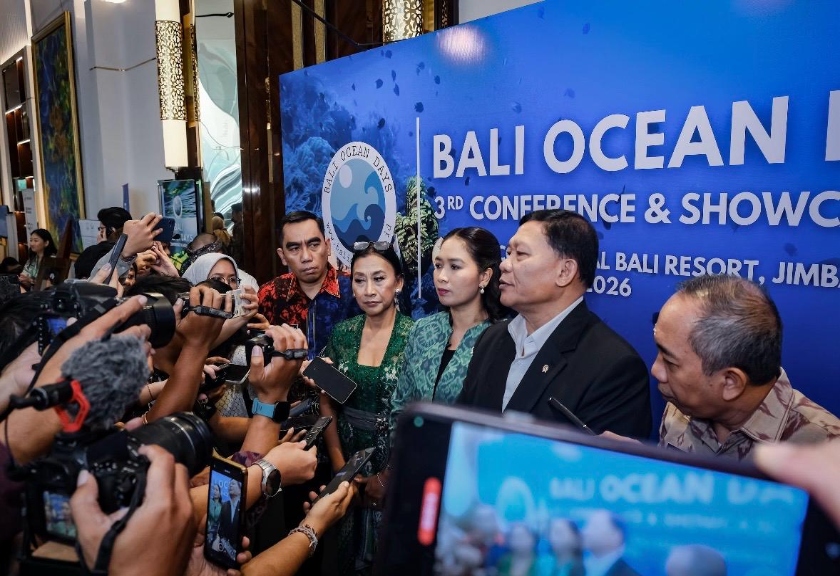
Source: Ministry of Tourism
Efforts to preserve the marine ecosystem took center stage at the international forum Bali Ocean Days 2026. The government affirmed a new direction for Indonesia's tourism that no longer solely chases visitor numbers, but ensures tangible impacts for the environment and coastal communities.
Deputy Minister of Tourism Ni Luh Puspa emphasized that national tourism is now directed to directly contribute to marine ecosystem protection and local community welfare, particularly in 10 Priority Destinations and 3 Regenerative Destinations.
According to her, the concept of Sustainable Tourism in Indonesia has been firmly defined within the national regulatory framework.
READ ALSO
Delve into the Secrets Behind Indonesia's 10 Priority Tourist Destinations
Indonesia Makes the Recommendation List for 2026 Best Tourist Destinations, Komodo Island Gains Global Spotlight
7 Hidden Gem Destinations in West Java Perfect for Weekend Getaways
This approach balances environmental protection, social and cultural values, and economic benefits for both current and future generations.
The government reinforces this commitment through Law Number 18 of 2025 on Tourism, the National Tourism Development Master Plan (RIPPARNAS), and Minister of Tourism Regulation Number 9 of 2021 on Sustainable Tourism Destinations, which adopts global standards from the Global Sustainable Tourism Council (GSTC).
Policy implementation is realized through various operational instruments, including SERTIDEWI or Sustainable Tourism Destination Certification, which has now reached over 45 Tourism Villages and two destinations.
The Indonesian government also continues to strengthen blue economy implementation as a core national development strategy.
"This concept prioritizes responsible utilization of marine resources to generate economic value, create jobs, and improve community welfare, while ensuring marine ecosystems remain productive and intact for the future,” stated Ni Luh Puspa at the bali Ocean Days 2026 international forum in Jimbaran Convention Center, InterContinental Bali Resort, Friday, January 30, 2026.
As the world's largest archipelagic nation with over 70% marine territory, Indonesia is seen as having vast potential for inclusive and sustainable marine tourism development.
This sector is considered capable of being both an economic driver and an instrument for Marine Conservation.
Ministry data shows Indonesia's marine economy contributed approximately US$5.9 billion in 2024.
This progress is reflected in the strengthening of coastal Tourism Villages. From around 12,000 coastal villages nationwide, over 2,000 had developed marine tourism activities by 2024.
However, significant challenges remain, particularly marine waste and trash in tourist areas.
The Deputy Minister (Wamenpar) noted these issues require integrated cross-sectoral approaches rather than partial solutions.
Coordination is being intensified with the Ministry of Maritime Affairs and Fisheries, Ministry of Environment, and local governments to build systemic, sustainable responses.
“Since 2025, the Environment Ministry has organized various marine waste clean-up programs alongside public education and support for recycled products. This approach aims to reduce waste problems from upstream to downstream,” she explained.
Presidential attention to waste management also forms part of national strategy. In 2026, Danantara is scheduled to break ground on waste-to-energy projects in three regions, with Bali among the initial locations starting March 2026.
“We hope this becomes a concrete solution to address waste while supporting transition toward a more sustainable economy,” said Ni Luh Puspa.
To maintain marine tourism quality, the Tourism Ministry (Kemenpar) is enhancing safety and environmental protection through risk-based destination management.
This integrates accessible regulations, destination operational standards, and local-level disaster risk mitigation.
Other initiatives include the Clean Tourism Movement, dive safety enhancements via collaboration with Divers Alert Network, and the launch of the Wonderful Indonesia Diving Directory as the official reference for Conservation-based dive sites.
Human resource development forms a crucial pillar through competency certification and tourism workforce upskilling.
“By investing in human resource quality, we build tourist trust and ensure tourism growth aligns with preparedness, professionalism, and high safety standards,” she concluded.









Belum ada komentar. Jadilah yang pertama!