
Jatiluwih Village, the Serenity of Bali That Inspires Global Tourism

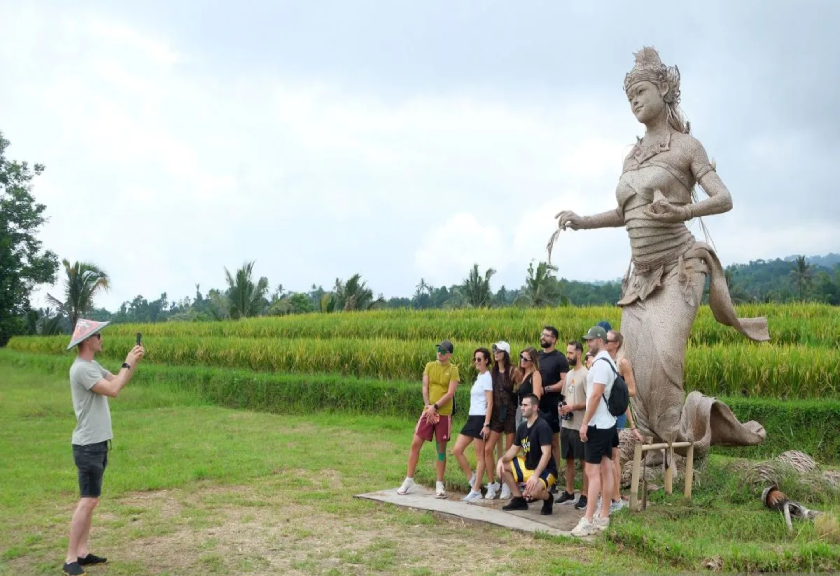
Source: Nyoman Hendra Wibowo/Antara News
At the foot of Mount Batukaru, Bali holds a landscape that feels like a fragment of a living painting. Its name is Jatiluwih, a village that not only showcases mesmerizing terraced rice fields but also embodies the Balinese philosophy of life preserved for centuries. While many destinations compete to offer glamorous experiences, Jatiluwih stands with a different approach: simple, authentic, and rooted in natural balance.
Jatiluwih isn't merely a beautiful place but a representation of how an area can harmoniously blend agricultural tradition, spirituality, and tourism. The neatly arranged expanse of rice fields following land contours isn't just visual beauty; behind it lies the Subak irrigation system, a Balinese cultural heritage born from the Tri Hita Karana philosophy—a worldview teaching harmony between humans, nature, and spiritual life. This Subak system led UNESCO to recognize Jatiluwih as a World Cultural Heritage site in 2012.
The global recognition continues. In recent years, Jatiluwih was crowned one of the best tourism villages by UN Tourism through its Best Tourism Villages program. This award confirms that Jatiluwih not only preserves nature and culture but also develops tourism responsibly. Another accolade came from Green Destinations Top 100 Stories 2025, where Jatiluwih's story featured the theme "Green Miracle in a Cultural Heritage Living Museum"—acknowledging the village’s success in maintaining Subak amid modernization.
READ ALSO
Mark the date! Mount Bromo will be temporarily closed starting 30 May 2026.
Sangkulirang-Mangkalihat Geopark Tourism Continues to Grow, Visitor Numbers are Projected to Reach 16 Thousand in 2026
South Korea's Travel Warning: Tourism Ministry's Measures to Maintain Tourist Trust to Bali
According to Jatiluwih DTW manager John Ketut Purna, this success isn't the work of one or two people. He emphasizes the village stands on collective strength. Traditions are preserved communally, decisions are made through deliberation, and locals understand tourism is merely a bonus from the noble values they uphold daily. Hence, Jatiluwih embraces regenerative tourism—an approach not just preserving but restoring the environment and strengthening local welfare.
This regeneration manifests in residents' lives. Rice fields remain life's center, yet new economic opportunities thrive through community-managed homestays, local crafts, traditional cuisine, and educational tours. Tourists don't just come for photos; they’re invited to understand farming rituals—planting to harvesting—and how water flows from upstream to downstream with beliefs and discipline inherited since ancient Balinese kingdoms.
Beauty Born from Simplicity
Post-UNESCO recognition changes haven't escaped academics' notice. Udayana University research notes tourism’s social dynamics in the village. Residents gain new economic opportunities while cultural identity remains guarded. Subak isn't a spectacle but still practiced as a living ritual integral to Jatiluwih farmers' daily lives. This village exemplifies how tourism and tradition can coexist without mutual sacrifice.
For tourists, Jatiluwih offers experiences unattainable in modern destinations. Trekking through terraces evokes walking in a living museum, while bike paths invite visitors to slice through morning winds carrying wet soil scents and Subak water murmurs. For deeper immersion, tourists join farm tours—planting rice, plowing fields, or chatting with local farmers who gladly share knowledge about Bali’s premium rice they produce.
Amid global water management issues, Jatiluwih gains new relevance. Ahead of the 2024 World Water Forum, the government visited this village as a tangible example of traditional water management that’s not only effective but sustainable. The Subak system proves locally inherited approaches can offer modern solutions.
Yet Jatiluwih faces challenges. Rising tourist visits must be managed to avoid damaging rice field ecosystems. Young generations need continuous encouragement to engage in farming, ensuring Subak’s survival. Tourism infrastructure must ensure visitor comfort doesn’t sacrifice the environment. These remain homework, but the village has shown it can balance welcoming guests with safeguarding heritage.
Ultimately, Jatiluwih isn’t just a destination but a journey. A meeting between humans and nature, between travelers and enduringly relevant ancient philosophy. Visiting it is an opportunity to learn that sustainability isn’t a slogan but a practice to celebrate, live, and pass on.
If Bali is a book, Jatiluwih is a page written with quiet grace, full of tenderness, and rich in meaning. Every corner invites us to slow our steps, observe water’s flow, and celebrate harmony we may have forgotten. Jatiluwih makes us realize the greatest beauty springs from carefully guarded simplicity.
If you want, bro, I can polish this article into a print magazine version or a full SEO web version with meta descriptions and alternative headlines. Want me to do it?









Belum ada komentar. Jadilah yang pertama!