
Legendary Mountaineer Nirmal Purja Dies on Broad Peak, How Deadly Is This 8,047 Metre High Mountain?

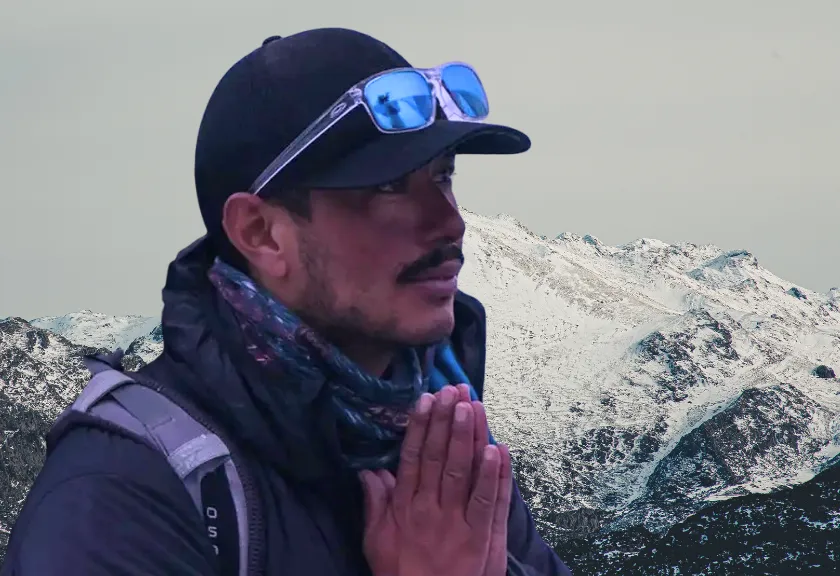
Source: Canva
Even legendary mountaineers like Nirmal Purja ultimately could not overcome the unforgiving ferocity of Broad Peak. News of the Nepali climber's death in a Pakistan avalanche has not only plunged the global mountaineering community into mourning, but also raised one critical question: why is this mountain so lethally dangerous, even for someone regarded as one of the finest climbers on the planet?
Purja, who gained worldwide fame after breaking the record for summiting all 14 eight-thousander peaks in just under six months, was part of the climbing party reported missing on Broad Peak's upper slopes on Thursday, 31 July 2026. The avalanche struck around midday local time as the group traversed the route up the 8,047 metre mountain.
As of this report, at least four climbers have been confirmed dead. Alongside Nirmal Purja, the other confirmed fatalities are Omani climber Nadhira Al Harthy, Nepali mountaineer Pur Bahadur Gurung "Yukta", and American climber Sarah Mallory Geis.
READ ALSO
Mount Semeru Reopened, Climbers Can Return to Enjoy Ranu Kumbolo Lake
Arjuno-Welirang Hiking Trail Closed, Raden Soerjo Grand Forest Park Explains
This news has left many people shaken and questioning: if even a climber with Nirmal Purja's unparalleled experience could not survive, just how deadly is Broad Peak truly?
Broad Peak is no unfamiliar challenge for elite international climbers. Situated in the Karakoram Range of northern Pakistan, it is officially one of the world's 14 peaks above 8000 metres. However, its isolated location, violently unpredictable weather shifts and constant avalanche hazard mean every single step towards the summit carries catastrophic risk.
Danger does not only come from the extreme alpine terrain. Avalanches can strike without warning in a matter of seconds, turning established climbing routes into almost impassable death zones. This exact scenario is suspected to be the primary cause of the disaster that overtook the climbing party.
Making the situation all the more harrowing, this tragedy is not yet concluded.
Six additional climbers remain unaccounted for, with search operations still active. However, rescue efforts cannot proceed freely, as evacuation teams also face the ongoing threat of secondary follow-up avalanches.
Emergency officials had previously issued warnings that Broad Peak's slopes remain dangerously unstable. The risk of fresh avalanches means every single rescue decision must be evaluated with extreme caution.
Pakistani professional mountaineer Naila Kiani has confirmed that survival odds for the missing climbers are now diminishing rapidly.
"The mountains of Pakistan are very different to those in Nepal," Kiani stated.
"Multiple zones on this mountain still carry very high avalanche risk. Our rescue teams must exercise extreme care to assess whether advancing would put their own lives in mortal danger," she added.
This statement explains why the evacuation operation is progressing far slower than public expectations. The delays are not due to lack of effort, but because rescue personnel face exactly the same lethal threats as the missing climbers.
As search operations continue, the global mountaineering community is not only mourning the loss of Nirmal Purja, but also waiting for news of the fate of the six other climbers who have still not been located.
The Broad Peak tragedy stands as a stark reminder that for all human records and extraordinary feats of endurance, nature retains unchallengeable power. Even for a climber long celebrated for pushing the absolute limits of human capability, one single avalanche is enough to alter everything.









Belum ada komentar. Jadilah yang pertama!