
Family Trips to Japan Become Even More Comfortable: Tips for Using the Shinkansen Efficiently

Source: Envato
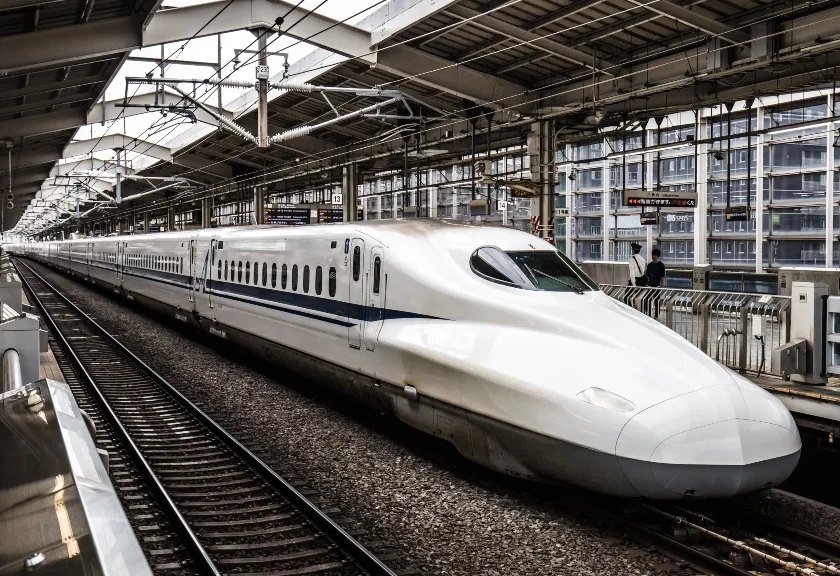
Family holidays to Japan have grown increasingly popular in recent years. Aside from offering destinations suitable for all ages, the Land of the Rising Sun also provides fast, comfortable intercity travel via its Shinkansen high-speed rail network. However, for families travelling with children or elderly relatives, cross-city journeys require careful planning to remain enjoyable for everyone.
This planning covers everything from seat reservations and luggage arrangements, to selecting the most cost-effective transport options. With proper preparation, travelling on Japan's high-speed trains can become a memorable part of the holiday experience itself.
Tiara Hanita, CEO of Avenir, stated that comfort for family travellers is not only determined by the destinations visited, but also by how intercity travel is structured to keep every family member at ease throughout the trip.
READ ALSO
Slow Travel: The Art of Savoring Life So You Won't Need Vacations Anymore
Singapore and Japan Are Included in the List of 10 Safest Countries to Visit, Here Are the Reasons
Japanese tourism is booming, but travelers are starting to leave the Tokyo–Kyoto route.
"Three-generation families have very different needs. This means travel between locations must be planned carefully to ensure both children and older relatives remain comfortable for the full duration of the journey," Tiara explained.
Reserve Seats To Keep Your Family Group Together
One of the most critical steps before boarding the Shinkansen is reserving seats, especially when travelling as a group.
Booking seats well in advance greatly increases the chance that all members of your family will be able to sit adjacent to one another during the trip.
This makes the journey far more comfortable, particularly for families travelling with young children or accompanying elderly passengers.
Do Not Overlook Luggage Regulations
Travellers bringing large suitcases must pay close attention to official Shinkansen luggage policies.
Multiple Japanese high-speed train services require advance reservation of dedicated storage space for oversized luggage. For this reason, arranging suitcase storage should be completed during the ticket booking process to ensure smooth travel.
For families travelling with large amounts of belongings, the intercity door-to-door luggage delivery service known as takkyubin is also a practical solution.
Using this service allows you to send suitcases directly to your final destination city, meaning passengers only need to carry light personal items for the train journey.
Allow Extra Buffer Time For Transfers
Travelling via Shinkansen involves more than just time spent on the train: you will also need to navigate between platforms, especially at major hub stations such as Tokyo, Kyoto and Shin-Osaka.
Tiara recommends allocating 15 to 20 minutes of transfer time. This extra margin ensures comfortable transfers, particularly when travelling with a stroller, or accompanying elderly family members who require lift access.
Do Not Automatically Purchase A JR Pass
Many travellers assume that a JR Pass is always the most budget-friendly option. However, Tiara notes that the decision to buy a JR Pass should always be aligned with your actual travel itinerary.
With the 7-day JR Pass currently priced at around 50,000 Yen, purchasing individual one-way tickets will work out cheaper if your trip only consists of a simple Tokyo-Osaka return journey.
Conversely, the JR Pass does offer excellent value if you plan to visit multiple cities in one trip, such as Kyoto, Hiroshima and Kanazawa.
Use IC Cards For Local City Transport
Once you arrive at your destination city, it is recommended to use an IC card such as Suica, PASMO or ICOCA.
These cards work across local train lines, subways and bus networks, making travel far more convenient as you will not need to purchase a separate ticket for every journey.
Note however that IC cards cannot be used in place of a base Shinkansen ticket. High-speed rail tickets must always be purchased separately.
The Rising Popularity Of Slow Travel
According to Tiara, family travel trends for Japan are shifting towards the slow travel concept: this means visiting fewer cities overall, and spending longer periods properly experiencing each destination.
This approach creates a more relaxed holiday, reduces exhaustion from frequent long-distance travel, and provides a higher quality experience for every member of the family.








Belum ada komentar. Jadilah yang pertama!