
Impact of the 2026 World Cup on American Restaurants, Tipping Culture Emerges as a Key Highlight

Source: Envato
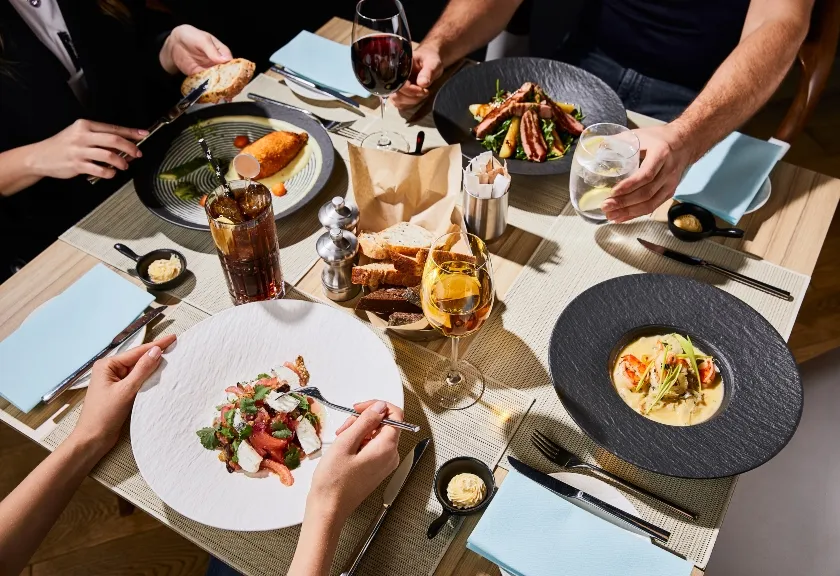
The 2026 World Cup is not only transforming the atmosphere inside stadiums across the United States, but also shifting everyday practices at restaurants. The surge of international tourists arriving to watch the tournament has brought cultural differences to the surface, including around the custom of tipping waitstaff.
The United States has a long-established, deeply ingrained tipping culture. For most local patrons, leaving a tip after dining at a restaurant is standard practice. This custom however, is often not familiar or understood by international visitors from other countries.
As a result, restaurants have begun noticing a clear shift. Multiple accounts note that large numbers of foreign tourists are leaving dining establishments without leaving any tip at all.
READ ALSO
Brazil to face Japan, while Cape Verde's defence will be tested by Messi in the 2026 FIFA World Cup Round of 32.
List of Contestants for the 2026 World Cup Round of 32, Asia Sends Two Representatives
Series of Viral 2026 World Cup Celebrations, From Viking Row to Spider-Man
Owners of restaurants, cafes and bars have started adapting to this situation by automatically adding mandatory service charges to customer bills, replacing the traditional voluntary tipping system.
According to a Dexerto report, some restaurants across the United States have already implemented service charges set at approximately 20 percent of the total food bill. This policy is intended to protect the earnings of service workers, who have historically relied heavily on customer tips for their income.
In most European regions and many other countries around the world, tipping is not an expected obligation. This means many travelling fans are unaware that this practice forms a fundamental part of dining culture in the United States.
This impact is already being felt directly by restaurant workers, particularly in World Cup host cities such as New York.
"Lots of people come in to eat, but it's nothing like normal. Almost nobody is leaving a tip", stated one restaurant server working in New York.
Similar complaints have been raised by other hospitality workers, who have observed clear differences in customer behaviour throughout the duration of the tournament.
"They just don't tip the way regular customers do", another server remarked.
That said, a number of restaurant staff have chosen to respond to this situation by taking the time to explain US tipping customs to foreign visitors. This on-site education is intended to help guests understand local norms while dining in the country.
At the same time, not all restaurant workers view this issue as a major problem. Many point out that the influx of tourists still brings net positive benefits: visitor spending during the World Cup has been substantial, and is providing a major boost to the local food and beverage sector.
Throughout the 2026 World Cup, travel costs have remained a top concern for visiting fans. Alongside match tickets, expenses for accommodation, transport and restaurant dining have also seen significant increases.







Belum ada komentar. Jadilah yang pertama!