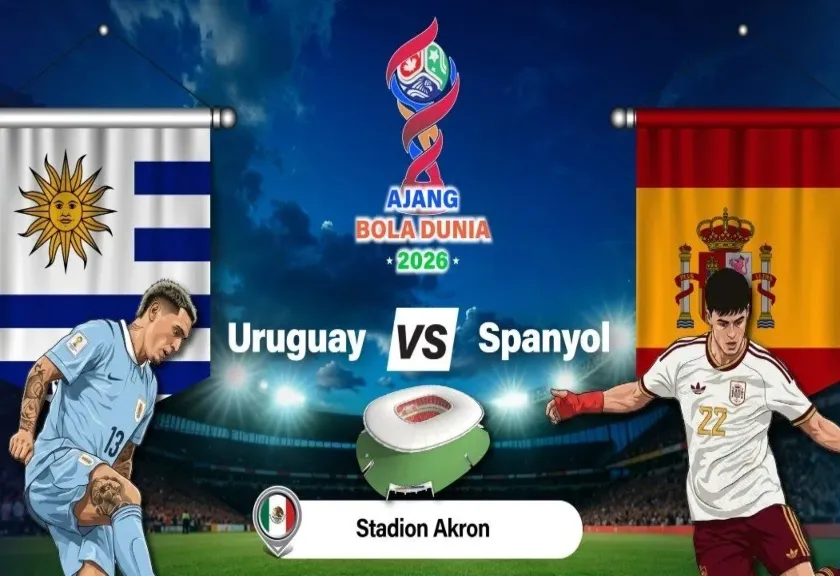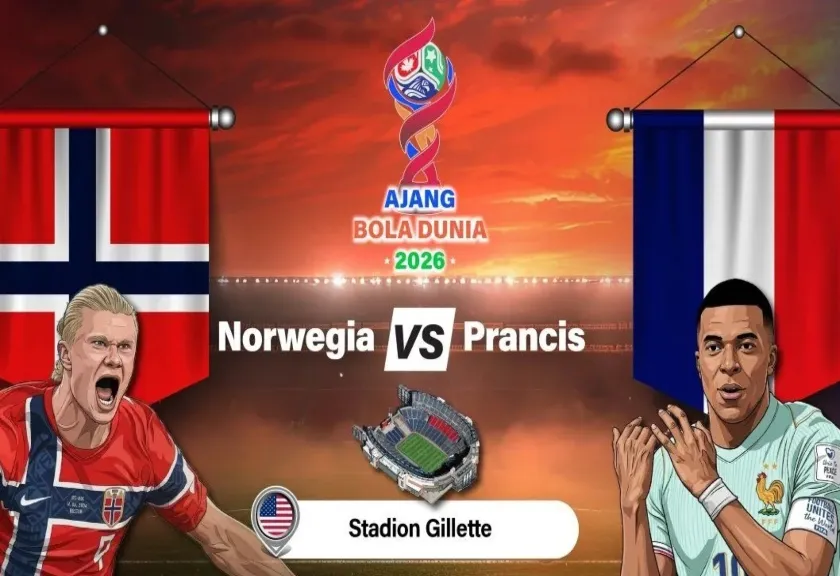

The 2026 World Cup introduces new dynamics for qualification to the knockout stages. As the group phase nears its conclusion, teams no longer require a first or second place group finish to remain in the tournament. With the expanded 48-team format, the eight best third-placed sides will also advance to the Round of 32, granting far higher stakes to every single match played.
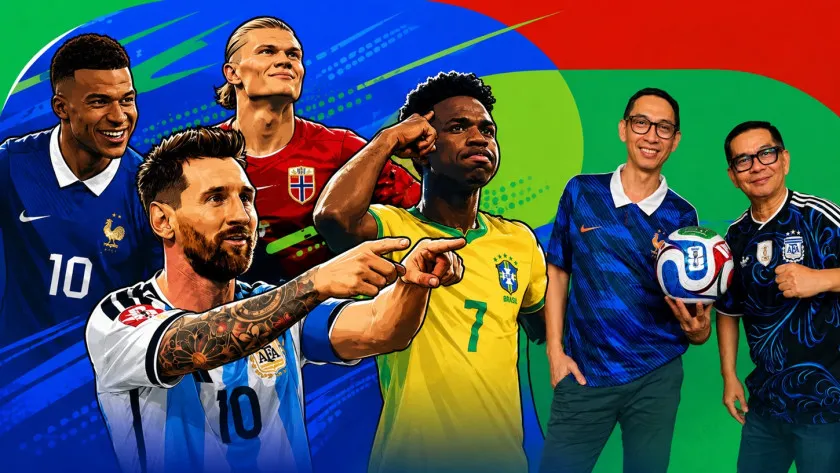
In discussion on the ITSMe podcast, South Korea, Switzerland, Canada, Germany, France, and Norway represent the full range of scenarios facing World Cup participants. Some teams progressed smoothly from the opening fixtures, others recovered from early setbacks to qualify, while many still face decisive final matches or must await results from completely separate groups.
Switzerland showcased consistency as a winning formula. With stable performances across all group matches, they secured top spot in Group B on seven points, closing the group stage with a 2-1 victory over Canada. This position guaranteed Switzerland's progression without any reliance on cross-group third place rankings.
READ ALSO
2026 World Cup Chases New Records, From Giant Stadiums to the Pink Football Boots Phenomenon
2026 World Cup: Netherlands and Spain chase three points, while Germany remains wary of the threat from Ivory Coast.
Opening Matches for 2026 World Cup Title Favorites: France Faces Senegal, Argentina Challenged by Algeria
Canada followed a different path. Despite their final match defeat to Switzerland, the host nation accumulated six points to finish second in Group B and claim an automatic Round of 32 berth. This result reaffirmed that securing a higher group position remains the most reliable route to the knockout phase.
Germany also demonstrated that qualification is rarely a flawless journey. A 2-1 loss against Ecuador in their final Group E fixture did not eliminate Die Mannschaft, as they retained first place in the group on goal difference.
That same victory meanwhile kept Ecuador in contention for qualification via the best third place spots, highlighting exactly how valuable every individual point and goal difference margin has become under the World Cup's new format.
Tension remains unresolved in Group I. Both France and Norway hold six points ahead of their final group matches. The battle for group leadership is not merely for prestige: it will directly shape their route through the Round of 32 and determine which opponents they may face later in the knockout stage.
South Korea meanwhile is a case study for teams waiting on final cross-group results. The Asian representative concluded Group A in third place with three points and a -1 goal difference. Their World Cup campaign no longer depends on their own results, but instead on the aggregated rankings of the eight best third placed teams: an indirect competition between sides that never played one another directly.
These cases illustrate the varied paths to the knockout stage created by the 2026 World Cup format. Teams may advance as group winners, qualify as runners-up, hold on via goal difference, or pin their hopes on the final third place standings.
This same dynamic is unfolding across every other group in the tournament, confirming that every single match now carries far greater consequences than in any previous World Cup edition.
This article summarises the ITSMe podcast discussion featuring football analysts Ronny Pangemanan and Erwin Fitriansyah. Hosted by Gilang Respaty and Yatna from the ITSMe Studio in Sentul, Bogor, this episode breaks down all qualification scenarios for competing nations on the road to the 2026 World Cup Round of 32.