
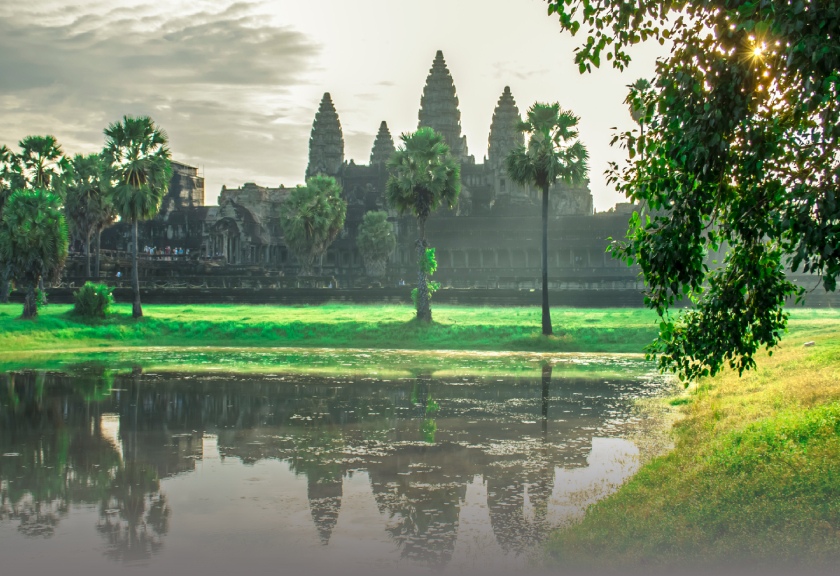
Once a favorite destination, Angkor Wat now faces tourist decline due to Cambodia-Thailand conflict.

Source: Canva
Angkor Wat has long been recognized as an icon of Southeast Asian Tourism, constantly bustling with travelers from around the world. However, by late 2025, the atmosphere at this UNESCO World Heritage temple complex drastically changed. The Cambodia–Thailand conflict caused many tourists to cancel their visits, transforming the typically crowded area into relative emptiness.
Angkor Wat's location—merely a two-hour drive from the Thai border—resulted in Siem Reap's Tourism sector suffering direct impacts. Border crossing closures and escalating tensions led to numerous trip cancellations, particularly among travelers who had planned cross-country Southeast Asian journeys.
The impact hit hardest at the grassroots level. Local tour guide Bun Ratana revealed over 10 tour bookings were canceled in just one month, significantly slashing his income.
READ ALSO
7 Must-Visit Famous Tourist Attractions in Chonburi Thailand, Number 5 Will Amaze You
Neighbouring Countries That Can Be Budget Holiday Options for Indonesian Travellers
Thailand's Ambition Shakes Southeast Asia with Disneyland-Level Theme Park.
"My earnings dropped about 80%, now only around USD 150 (Rp 2.5 million) compared to last December. Some tourists are scared, but Siem Reap is safe," Bun Ratana told France24 on Monday, December 29, 2025.
The Cambodia-Thailand tensions stem from colonial-era border disputes, reignited since last May. Land crossing closures not only hurt Cambodian tourism but also affected Thailand. Tour operators, merchants, and transport drivers in both countries lost income.
Journey Cambodia founder Ream Boret noted continuous booking declines in recent months. Near Angkor Wat, tuk-tuk driver Nov Mao reported his earnings halved since the conflict erupted.
This situation contrasts sharply with Cambodia's recent tourism performance. The sector contributes roughly 10% to Cambodia's GDP. The previous year saw a record 6.7 million Tourist Visits. However, Angkor Enterprise data shows ticket sales fell at least 17% from June to November, with the steepest drop following bloody clashes in July.
"December is usually busy, now it's quiet. Local and foreign tourists vanished—I think they're scared. I'm scared too," said Angkor Wat T-shirt vendor Run Kea.
The Domino effect reached Thailand. Some 420km from Siem Reap, minibuses typically transporting tourists to Angkor Wat now sit passengerless. Several travel agencies suspended border-bound bus routes since early this year.
Lampoo Ocean Travel owner Prasit Chankliang admitted difficulty assuring potential customers: "When they ask about visiting Cambodia, we can only say it's impossible, and we don't know when crossings will reopen," Prasit stated.
Nevertheless, not all tourists stayed away. Some, like American Traveler Dorothy, visited Angkor Wat after careful consideration. She felt the conflict didn't affect her decision, stating she felt safe after researching travel conditions.
Tourism analysts observe Cambodia's biggest challenge isn't just security, but global perception. International media coverage, coupled with negative Southeast Asian portrayals in films and reports about online scam networks, worsened the destination's image.
"Cambodia's key Tourist Destinations are safe, but media reports have already caused damage," said Hannah Pearson, Director of tourism consultancy Pear Anderson.
Siem Reap Provincial Tourism Department head Thim Sereyvudh acknowledged Cambodia's reputation as a hub for transnational scams burdens tourism. Still, he remained optimistic: "The sooner the war ends, the faster tourists will return."
For Young Travelers, this serves as a reminder that trip planning involves not just beautiful destinations, but understanding geopolitical contexts and accurate information. Angkor Wat still stands magnificently, awaiting the return of global travelers' confidence.







Belum ada komentar. Jadilah yang pertama!