
The Dangers of Mountain Climbing During Extreme Weather with Heavy Rainfall

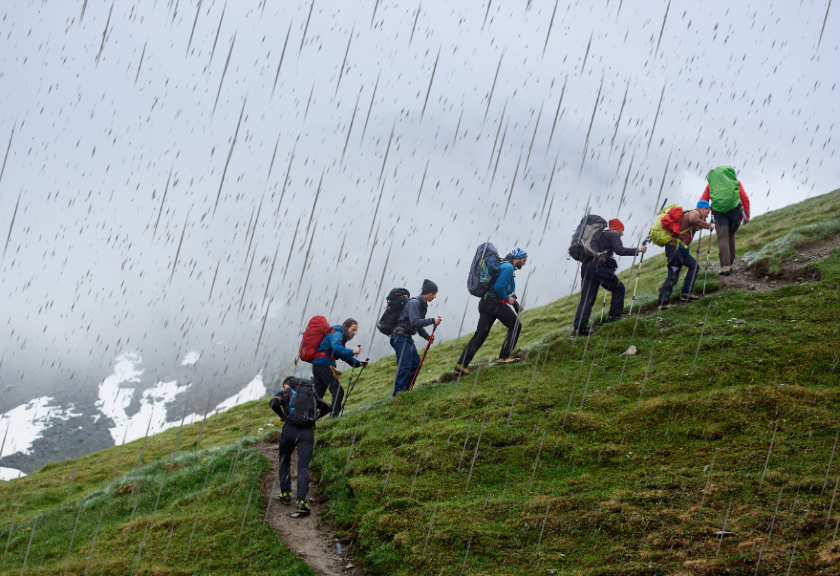
Source: Itsme
Rainy Season bringing extreme rainfall can transform the Mountain Climbing experience from an exciting adventure into a serious safety risk. Extreme Weather alters Terrain conditions, shortens reaction time to danger, and creates unpredictable situations for both novice and experienced climbers.
Mountain Climbing during heavy rainfall and Extreme Weather poses major safety risks, especially if preparation, equipment, and risk mitigation strategies are inadequate.
Natural hazards like landslides, flash floods, and hypothermia become real threats that can lead to Injury or worse.
READ ALSO
Dangers of Mountain Climbing in Extreme Heavy Rainfall Weather
Mount Semeru Reopened, Climbers Can Return to Enjoy Ranu Kumbolo Lake
Not just a sports application, Strava is now a digital assistant for mountain hikers.
Below are detailed explanations climbers must know before deciding to hike in Extreme Weather:
1. Landslides and Sudden Floods
Heavy rainfall saturates and destabilizes soil on mountain slopes. When water continues to seep in, soil and debris can rapidly slide downhill—a phenomenon called landslides. Landslides may occur without clear warning, carrying heavy materials that cause severe injuries or death, while abruptly narrowing or blocking climbing paths.
Mountain slopes also accelerate water flow into raging streams along hiking trails, which can turn into flash floods within minutes during extreme rain. This happens because soil can't absorb all rainwater volume, causing rapid surface flow that submerges previously safe routes.
2. Slippery Trails and Reduced Visibility
Heavy rainfall drastically turns trails muddy and slippery. Previously stable terrain becomes dark, slick surfaces increasing risks of slips, falls, or joint injuries to ankles and knees.
Additionally, heavy rain with thick fog and low clouds reduces visibility. Poor visibility makes climbers more likely to get lost at trail junctions, miss routes, or overlook critical markers. This is especially dangerous in densely vegetated areas or steep cliffs.
3. Lightning and Sudden Extreme Weather
Mountains are known for rapidly changing weather. Clear skies can transform into thunderstorms with lightning within hours—increasing electrocution risks, especially if climbers are in open areas, hilltops, or carrying metal gear like trekking poles.
Combinations of torrential rain and strong winds also make it difficult to maintain balance on rugged terrain. Rain intensifying without warning can make even simple safety plans uncontrollable.
4. Hypothermia and Health Risks
When drenched by rain at high altitudes, body temperature can drop unnoticed. During extreme weather, mountain temperatures plummet dramatically, especially in exposed areas. Without adequate protection from wind and rain, hypothermia risk—where the body loses heat faster than it can produce—significantly increases.
Hypothermia causes more than discomfort; it leads to mental confusion, slowed heart rate, and can become life-threatening if untreated.
5. Communication and Evacuation Difficulties
Heavy rain and storms disrupt cellular signals, hindering emergency calls if conditions deteriorate. Drastically changed and unstable trails also delay evacuation during accidents. Rescue logistics become more complicated and time-consuming, especially in remote mountain areas.
6. Ecosystem Impact and Trail Protection
Heavy rainfall affects not only climbers but also trail environments. Erosion from downpours damages hiking paths, strips vegetation from slopes, and makes trails fragile and impassable. This often prompts trail managers to temporarily close routes to protect ecosystems and climber safety.
Never Underestimate Extreme Weather When Mountain Climbing
Climbing mountains during heavy rainfall and extreme weather isn't just about "physical challenge"—it's a major safety gamble that can lead to Injury or worse. Primary risks like landslides, flash floods, slippery trails, hypothermia, lightning, and evacuation issues can occur with little warning. This is why disaster management agencies and outdoor communities strongly emphasize avoiding climbs during such conditions, especially during peak Rainy Season.








Belum ada komentar. Jadilah yang pertama!