
Komodo Island Included in BBC's 2026 World's Best Destinations List

Source: Ministry of Tourism and Creative Economy
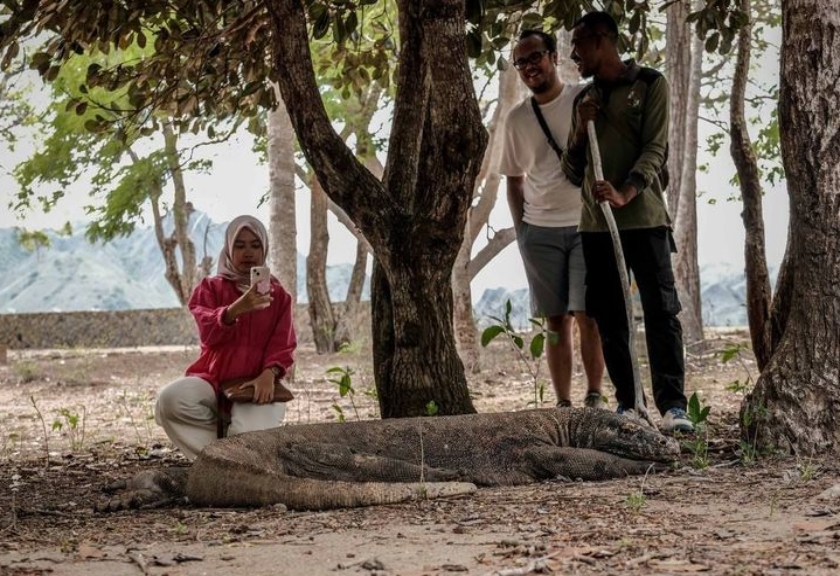
Komodo Island has reaffirmed its position on the global tourism map. This island chain in East Nusa Tenggara (NTT) has been named one of the world's best destinations for 2026 by the BBC. This recognition places Komodo alongside the planet's most iconic natural areas.
The BBC describes the Komodo Islands as a wilderness landscape that is almost unrivaled.
Quoted from the BBC, from the greenish-blue Flores Sea, Komodo Island remains one of the planet's greatest wildlife theatres. The Komodo Islands lie within a UNESCO World Heritage National Park.
READ ALSO
Komodo Island Named One of the World's 20 Top Tourist Destinations for 2026 by BBC, Here Are the Reasons
More Than Just Beaches: Tanjung Kelayang Develops Premium Tourism Rooted in Conservation
Komodo National Park Tourist Quota of 1,000 People per Day to Be Reviewed in 3-6 Months
The BBC's selection list isn't just about visual beauty. Each location is chosen for offering extraordinary Travel experiences, while also using tourism as a means to strengthen local communities, protect the environment, and preserve unique Cultural Heritage.
In compiling the list, the BBC sought help from its staff, journalists, and several leading Sustainable Tourism authorities worldwide.
They were asked to highlight places that are not only open to tourists but also capable of having a positive impact on nature and local communities.
It is within this context that the Komodo Islands were deemed to meet all the criteria.
One of the area's main magnets is Pink Beach. The BBC notes that in the Komodo Islands, visitors will find pink sandy beaches, merging directly with savannah hills. This beach had already previously been awarded the title of the world's most beautiful beach in 2025 by international travel experts.
Quoted from Forbes, Pink Beach on Komodo Island offers stretches of 'rose' sand where reef fish dart about and starfish hang out in the coral garden.
The uniqueness of Pink Beach stems from a rare natural process. The pink colour is created by the mixing of natural White Sand and reddish coral fragments from microscopic organisms called Foraminifera.
These coral fragments are carried by waves and blend with the sand, producing a captivating soft hue.
This phenomenon makes Pink Beach one of the few pink-sanded beaches in the world—a natural wonder that enriches the Komodo Islands' reputation in the eyes of global tourists.
However, Komodo is not just about beaches. Beneath the sea surface, vast coral gardens are home to manta rays. On land, the world's last population of wild Komodo dragons still roam freely, making this area a living Conservation laboratory for ancient wildlife.









Belum ada komentar. Jadilah yang pertama!