
Vacations to Japan Getting More Expensive? Here's the Explanation of the Sayonara Tax That Is Starting to Be Implemented

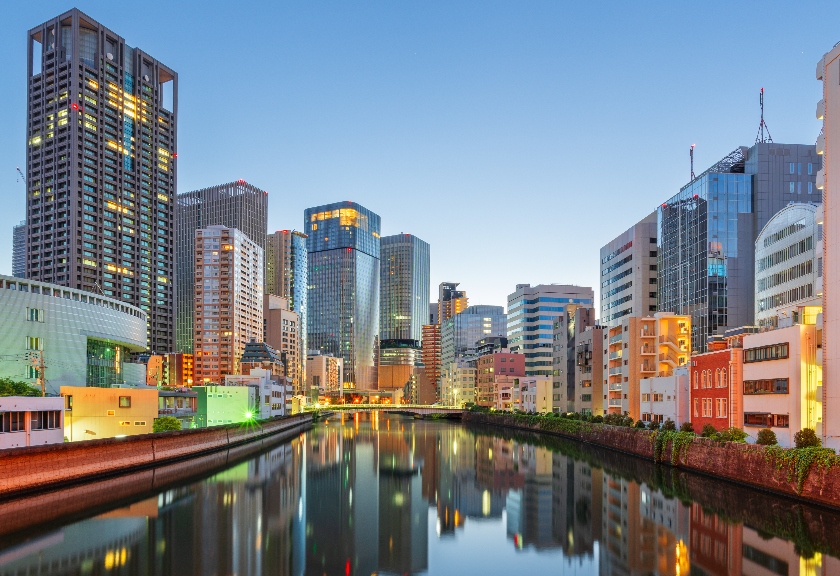
Source: Envato
Planning a vacation to Japan in the near future? There is one new regulation you need to account for in your travel budget. Effective 1 July 2026, the Government of Japan will officially raise the sayonara tax: a departure levy applied to international tourists leaving the country via either air or sea routes.
Despite its memorable name, the sayonara tax is not an entirely new charge. This policy was originally introduced in 2019 as standard departure tax for international visitors exiting Japan.
What is changing this year is the rate, which will see a significant increase. Previously each traveller was only charged 1,000 Yen (approximately IDR 110,000). This will now rise to 3,000 Yen (around IDR 330,000), three times the original tariff.
READ ALSO
Amid China Tensions, Japan Tourism Soars in 2025
Early 2026, 1 Million Foreign Tourists Enter Indonesia, Traveling Gains Momentum
Prioritizing Tourist Safety, 2026 World Cup Hosts Implement Strict Ebola Regulations
Why is Japan increasing this tax?
As reported by Timeout, one core reason is the unprecedented surge in international visitor numbers. Across 2025, Japan received approximately 42.7 million foreign tourist arrivals, the highest figure in the country's tourism history.
While this growth has delivered clear economic benefits, it has also created new challenges for authorities. These range from overcrowding at popular sites to worsening overtourism pressures, most notably in major cities including Tokyo, Kyoto and Osaka.
As such, all revenue generated from the sayonara tax will be reinvested to support the tourism sector. The government plans to allocate these funds to raise service standards, while also reducing the negative impacts associated with high visitor volumes.
One confirmed program that will receive funding is the rollout of additional automated facial recognition immigration gates at airports and seaports. This technology is intended to speed up border processing and deliver a smoother travel experience for visitors.
Funds will also be allocated to conservation work for historical sites, development of digital tourist information services, and promotion of lesser-known alternative travel destinations.
Through this strategy, Japan aims to encourage tourists to explore areas outside the most popular hubs. This will distribute visitor numbers more evenly, and reduce excessive pressure on the country's main tourist zones.
The sayonara tax increase is not the only adjustment being implemented; authorities are also revising multiple immigration administrative fees.
Travellers should also note new public cleanliness rules in Tokyo. Local government has launched the "If You Throw Trash, You Lose Cash" campaign to address rising waste volumes caused by the tourism boom.
In the Shibuya district for example, tourists caught littering will be issued a 2,000 Yen fine (approximately IDR 220,000). Fines may be paid via cash, bank card or QR code.
While these policies will increase the overall cost of travelling to Japan, authorities state the measures are designed to deliver a better long-term visitor experience, through improved infrastructure, public services and preservation of tourist destinations.









Belum ada komentar. Jadilah yang pertama!