
Cape Verde and Indonesian National Team: Naturalized Players, Different Achievements


Source: Antara News
A new chapter is written in football history. Cape Verde, a tiny island nation off West Africa's coast with a population barely reaching 550 thousand, has officially secured its ticket to the 2026 World Cup for the very first time.
A monumental achievement from a country many might struggle to locate on a map.
Cape Verde qualified in impressive fashion. They won Group D of the African qualifiers with 23 points, finishing four points clear of Cameroon, an African powerhouse with eight World Cup appearances.
READ ALSO
2026 World Cup Qualifiers: Garuda Face Tough Path, Kluivert Remains Optimistic
Gerard Pique Believes Indonesia Has What It Takes to Reach the World Cup
Erick Thohir's Apology After Indonesian National Team Fails to Advance to 2026 World Cup
Amidst a global football landscape dominated by resource-rich giants, Cape Verde emerges as a symbol that hard work, long-term vision, and solid management can overcome size.
Team from a Small Island, Soul from Around the World
What makes Cape Verde's journey even more fascinating is the fact that most of its players were born abroad. Names like Livramento (Rotterdam), Semedo (Paris suburbs), and Dylan Tavares (France) highlight the crucial role of the Cape Verdean diaspora in the national team's success.
Of the 26 players who featured in their qualifying campaign, more than half grew up and developed within European football systems, particularly in Portugal, the Netherlands, and France. Some even play for clubs in Turkey, Greece, and the United States.
Yet, beneath this mix of bloodlines and accents, one thing unites them: identity. Coach Pedro "Bubista" Brito successfully fostered a strong sense of belonging, something that often trips up teams reliant on naturalized players.
“We might be born in different places, but we are all Cape Verdean. We play for the same flag,” Bubista stated after the decisive victory over Cameroon.
A Tale from the Depths to the Summit
Cape Verde's qualifying journey began shakily. After draws with Angola and a 4-1 thrashing by Cameroon, many predicted a swift end to their story.
But Bubista refused to surrender. He instilled a "warrior island" mentality, symbolizing that despite their small size, Cape Verde never fears fighting the waves.
The result? They roared back with five consecutive wins, including revenge against Cameroon (2-1 in Praia) and stealing three crucial points at Angola's home ground.
A comeback that ultimately saw them top the group with heads held high, securing a ticket to the 2026 World Cup across the USA, Canada, and Mexico.
Ironically, this fairy-tale run comes just a year after they failed to qualify for the 2025 Africa Cup of Nations. Instead of sacking the coach, the federation kept faith in Bubista – a decision now proven golden.
A Lesson for Indonesia: Naturalization Isn't Just a Passport
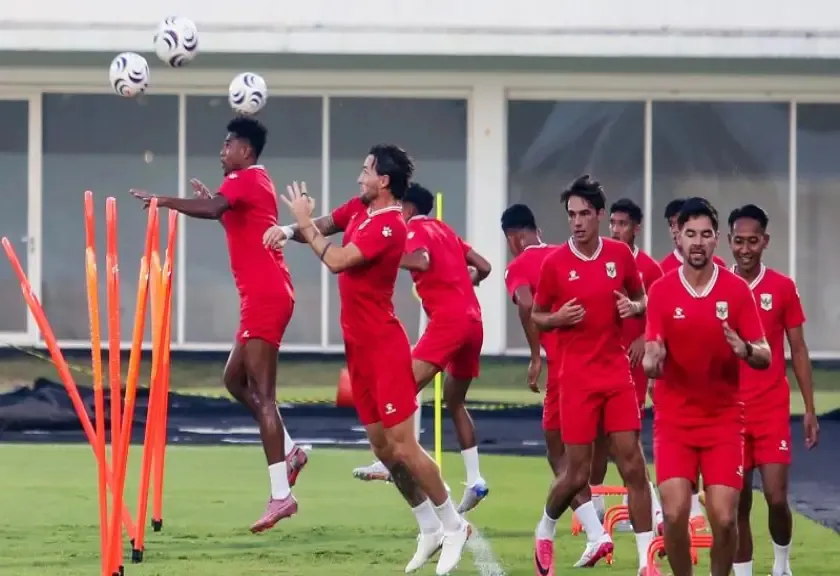
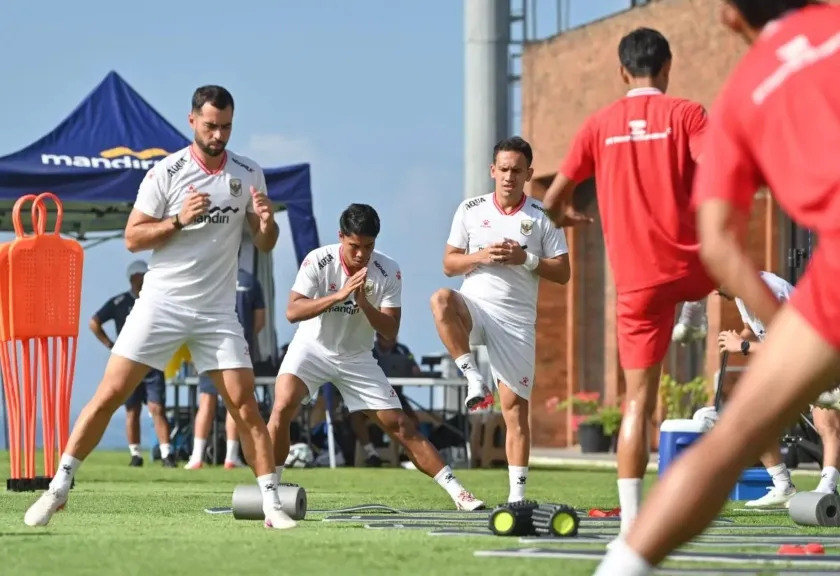
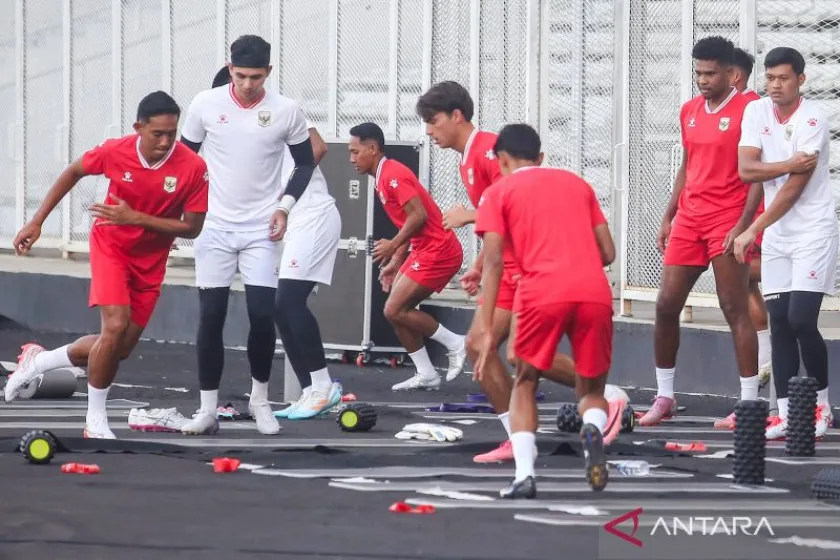
On the other side of the world, the Indonesian national team once again failed to reach the World Cup despite employing a seemingly similar strategy: relying on players of descent and naturalization.
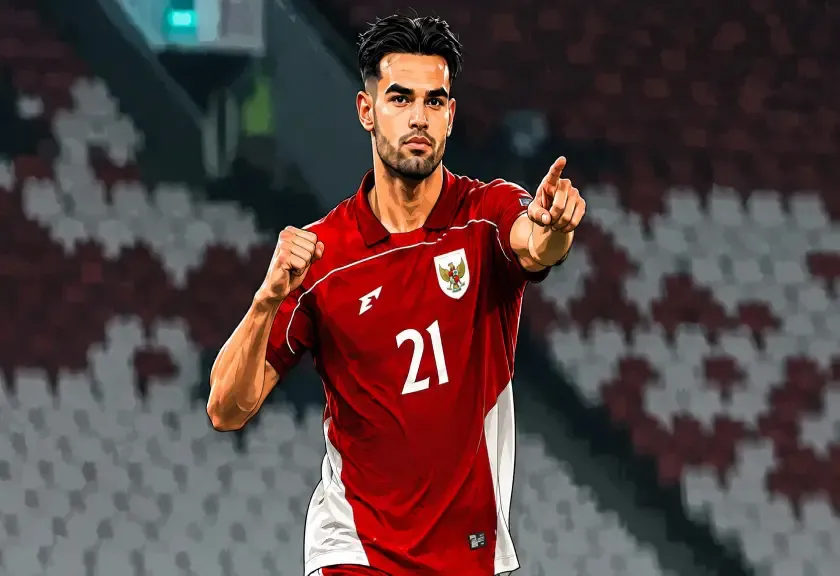
From Jordi Amat and Thom Haye to Jay Idzes, Indonesia boasts names with European experience. Yet, the results fall far short.
So, what's the difference with Cape Verde? The answer lies in foundation and national football philosophy.
Cape Verde doesn't just call up diaspora players; they have a system that nurtures a sense of belonging and integrates them with local roots. Every diaspora player undergoes training camps in Praia, interacts with supporters, and immerses themselves in the Cape Verdean atmosphere.
Meanwhile, in Indonesia, the naturalization process can sometimes feel like an instant project, its results not yet ingrained in the culture. Cape Verde builds from the ground up; Indonesia often seems busy patching things up at the top.
Size is No Excuse for Defeat
Statistically, Indonesia clearly holds advantages: a 270 million population, Southeast Asia's largest supporter base, plus vastly superior infrastructure and funding compared to Cape Verde's 550 thousand inhabitants spread across 10 main islands.
But football defies statistical logic. The small can shake the world if they have a clear direction.
Cape Verde now joins the ranks of small nations that made history – like Iceland in 2018, Trinidad & Tobago in 2006, and Panama in 2018. All arrived with one commonality: cohesion, hunger, and self-belief.
Reflections from the African Coast to the Archipelago
Cape Verde's journey is more than a football fairy tale; it's a mirror for Indonesia. That small nation found a way to unite its diaspora, build a competitive national team, and cultivate a shared identity.
Perhaps that's what Indonesia is still searching for – not just skilled players, but a sense of belonging and a long-term vision. Because in football, as in life, the small can become mighty if they possess unwavering purpose.
And as Cape Verde marches onto the grand stage of the 2026 World Cup, perhaps it's time for Indonesia to stop asking "When is it our turn?" and start learning how to earn it.

Belum ada komentar. Jadilah yang pertama!