
From David Beckham to Lionel Messi, Football Stars Who Became Club Owners

Source: Antara/Xinhua/Huang Zongzhi
The long whistle may signal the end of the match, but for some Football Legends, it marks a new chapter. Amid an increasingly corporate and global industry, several top players and former players worldwide are choosing to elevate their careers by becoming club owners.
They're no longer chasing titles but building projects, designing club identities, and making long-term investments.
From MLS to lower-tier European leagues, the phenomenon of players becoming club owners demonstrates how a star's influence can endure far beyond their prime years.
READ ALSO
Targeted by Inter Miami, Casemiro has the opportunity to play alongside Lionel Messi
Inter Milan Stage Dramatic Comeback, Defeat Como 3-2 to Reach Coppa Italia Final
Inter Miami honors Lionel Messi by naming stadium after active player
Here are renowned figures who are now Football Club Owners:
David Beckham and the Inter Miami CF Revolution
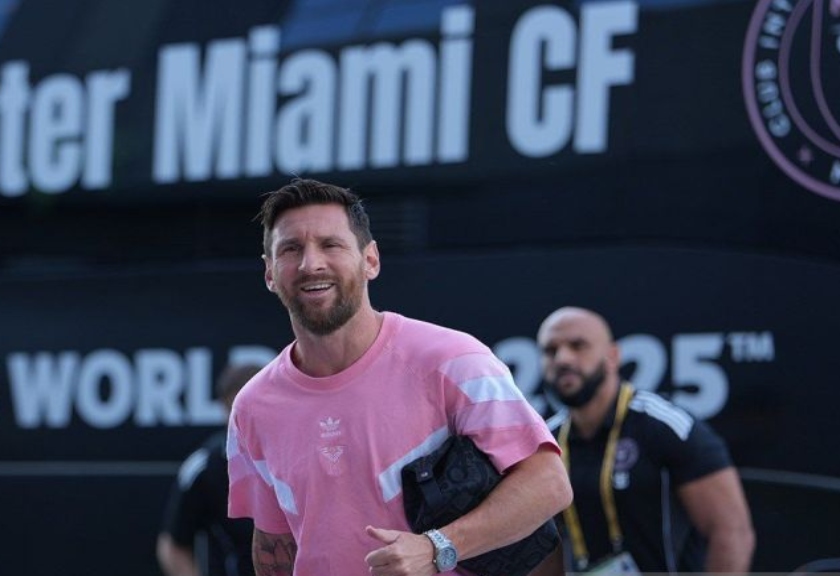
David Beckham owns Inter Miami CF, competing in Major League Soccer (MLS). He established Inter Miami in 2018 as part of an agreement made during his playing days in MLS.
Inter Miami became a global magnet after successfully signing Lionel Messi. What began as an expansion project transformed into North American soccer's gravitational center.
Thierry Henry Joins Como 1907 Structure
French legend Thierry Henry became a shareholder in Italian club Como 1907. He joined as an investor alongside former Arsenal teammate Cesc Fabregas.
At Como, Henry chose a quieter yet strategic role, helping build the club's foundation in management and long-term development.
Ronaldo Nazario and Control at Real Valladolid
Ronaldo acquired a majority stake in Real Valladolid in 2018. He also owns Cruzeiro Esporte Clube, his childhood club in Brazil.
This move reflects Ronaldo's ambition to rebuild clubs through ownership and management structures, not merely nostalgia.
Zlatan Ibrahimovic's Gamble with Hammarby IF
Ibrahimovic purchased a stake in Hammarby IF in 2019 through his investment company. The decision proved controversial given his iconic status at rival club Malmö FF.
For Zlatan, this represents both Business ambition and involvement in Swedish Football's development.
Cesar Azpilicueta and Hashtag United's Digital Model
Azpilicueta became co-owner of Hashtag United in 2020. Originally a YouTube team, the club evolved into an English semi-professional side.
This investment illustrates how modern football ecosystems can emerge from digital communities and grow into competitive entities.
Paul Scholes Behind Salford City
Scholes co-owns Salford City in English Football League Two alongside his Golden Generation teammates from Manchester United.
He served as interim manager in 2015, proving his involvement extends beyond symbolic ownership to operational roles.
Gerard Piqué and FC Andorra's Transformation
Through Kosmos Holding, Piqué purchased FC Andorra in 2018. Under his leadership, the club climbed from lower tiers to Spain's Segunda Division.
His project features modern, investment-based approaches—more corporate and structured than traditional models.
Didier Drogba's Dual Role at Phoenix Rising FC
Drogba holds ownership in USL Championship side Phoenix Rising FC.
He played for the club before retiring in 2018.
His simultaneous role as player-owner exemplifies how legends can directly engage in projects they build.
Jamie Vardy's Expansion with Rochester New York FC
Vardy became part-owner of Rochester New York FC in 2021.
He participates in club rebuilding efforts while introducing English football elements to the United States.
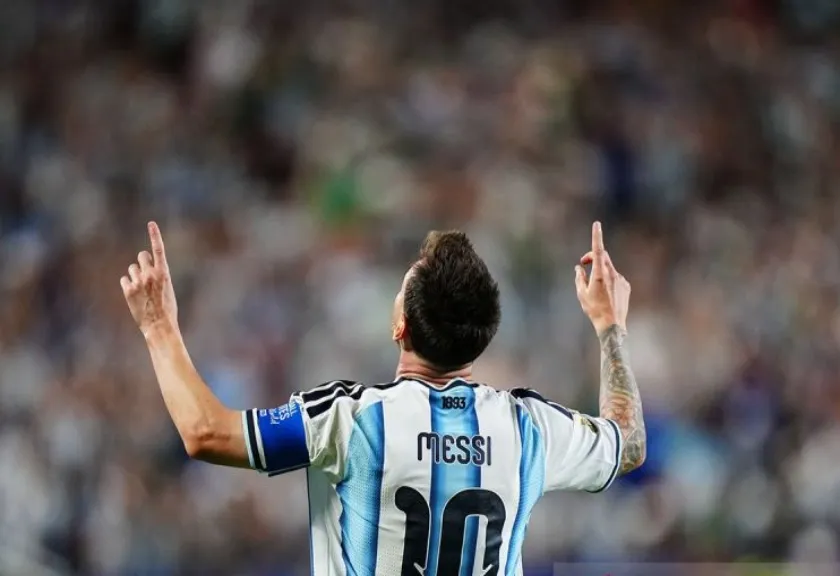
Lionel Messi & Luis Suarez Build Deportivo LSM
Messi and Suarez established Deportivo LSM in Uruguay's fourth tier. Suarez founded it as Deportivo LS in 2018 before Messi partnered.
LSM is an acronym for Luis Suarez Messi, symbolizing their friendship within this football project.
In modern football, legacies aren't measured solely by trophies or goals. These veterans extend their influence through ownership structures, investments, and club-building endeavors.

Belum ada komentar. Jadilah yang pertama!