
7 Chinese New Year 2026 Tourist Destinations to Consider, From Singkawang to Jakarta

Source: Ministry of Tourism
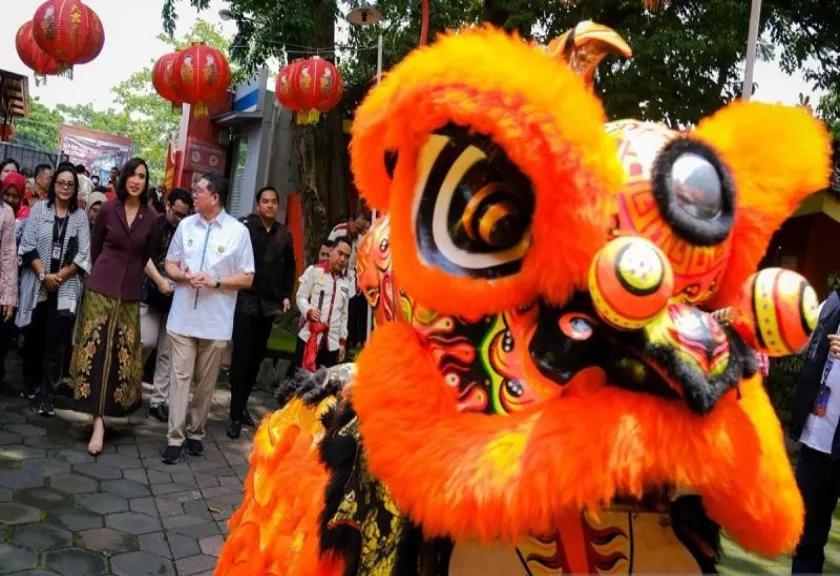
The 2577 Kongzili Chinese New Year becomes a cross-Cultural Journey, from Tatung parades along Kalimantan's coast to the boisterous water war tradition in Riau. Welcoming Imlek, the Ministry of Tourism recommends a list of selected destinations ready to offer the most authentic and vibrant Imlek experiences in the homeland.
Tourist Destinations to celebrate the 2026 Imlek recommended by the Ministry of Tourism include Singkawang (West Kalimantan), Semarang City (Central Java), Solo City (Central Java), Palembang (South Sumatra), Selatpanjang (Riau) and Jakarta.
This recommendation acts like a Cultural Journey map, tracing the footsteps of the Chinese diaspora in Indonesia, complete with rituals, festivals, and meaningful gastronomic offerings.
READ ALSO
Air Travel Revolution: Document-Free International Travel Soon to Become Reality
2026 Cap Go Meh Festival: Strategy to Strengthen Singkawang as a Leading Cultural Tourism Destination
5 Countries with Longest Fasting Hours, Dare to Travel?
1. Singkawang: City of a Thousand Temples and Tatung Parade
Singkawang's name is always synonymous with Imlek celebrations in Indonesia.
This city in West Kalimantan once again hosts its Cultural Festival, featuring lantern parades, Chinese cultural arts performances, a Chinese village, street washing rituals, and the Tatung parade.
When night falls, red lanterns hang along the streets, creating a dramatic and photogenic visual landscape.
2. Semarang: Harmony of Temples and the Imlek Market
On Java's northern coast, Semarang offers an Imlek landscape blending history and culinary delights. Celebrations spread from Sam Poo Kong Temple to the Semawis Imlek Market.
Barongsai performances, music and dance shows, Wayang Potehi performances, and bazaars selling typical Semarang snacks make this city an ideal destination for travelers wanting to feel the Imlek atmosphere with an urban heritage touch.
3. Solo: Lantern Festival at the Heart of Pasar Gede
In Surakarta or Solo, celebrations center around Pasar Gede, near the Tien Kok Sie Temple.
Solo Imlek Festival 2026 features a lantern fest, the Pao Oen ritual, Grebeg Sudiro, and the Cap Go Meh Festival.
Colorful lanterns bounce off the old facades of Pasar Gede, showcasing how Javanese and Chinese acculturation has become this city's cultural identity.
Grebeg Sudiro, with its mountain of rice cakes (kue keranjang) and local produce, stands as a symbol of harmony meticulously preserved.
4. Palembang: Cap Go Meh in the Middle of the Musi River
In South Sumatra, the 2026 Imlek celebration centers on Pulau Kemaro, an iconic Religious Tourism spot in the middle of the Musi River, Palembang.
This island is home to the Hok Ceng Bio Pagoda and the Hok Tjing Rio Temple.
The peak celebration occurs during Cap Go Meh, 15 days after Chinese New Year, featuring barongsai shows, traditional Chinese drama, Wayang Potehi, traditional Chinese music, and Culinary Tourism.
The river crossing journey to this small island becomes an unforgettable experience and adventure.
5. Selatpanjang: The Cian Cui Water War Tradition
Different from other cities, Selatpanjang presents the Cian Cui tradition or water war. Residents ride around on motorcycle rickshows (becak motor), spraying water pistols at people around them.
This tradition brings collective joy. The splashed water symbolizes cleansing and new hopes. The streets transform into a stage of laughter and togetherness.
6. Jakarta: From Glodok to PIK
In the capital, Jakarta centers celebrations in Pecenongan, Petak Sembilan Glodok, the Chinese Cultural Park (TMII), Old Shanghai Kelapa Gading, to Pantai Indah Kapuk (PIK).
Typical Imlek ornaments, barongsai, and various Chinese culinary offerings create a festive atmosphere amidst the metropolis.
7. Bogor: Cap Go Meh Street Festival
In Bogor, the Bogor Street Festival Cap Go Meh is an annual Cultural Festival which in 2026 will be adapted to the Ramadan atmosphere.
Imlek Gastronomy Tourism
Besides cultural festivals, the Ministry of Tourism also encourages tourists to explore the gastronomic wealth of the Chinese ethnic group in Indonesia. Typical Imlek food is not just a meal, but a symbol of prayers and hopes.
Kue Keranjang (Nian Gao) symbolizes harmony, Siu Mie or longevity noodles imply long life.
Meanwhile, Eight Treasure Soup, a soup with ingredients like fish, shrimp, sea cucumber, abalone, ginkgo nuts, and lotus seeds, symbolizes good fortune in Business for the new year.(Antara)








Belum ada komentar. Jadilah yang pertama!