
Reog, Kolintang and Kebaya Recognized by UNESCO: What Does It Mean for Indonesia?

Source: Antara/Sinta Ambar
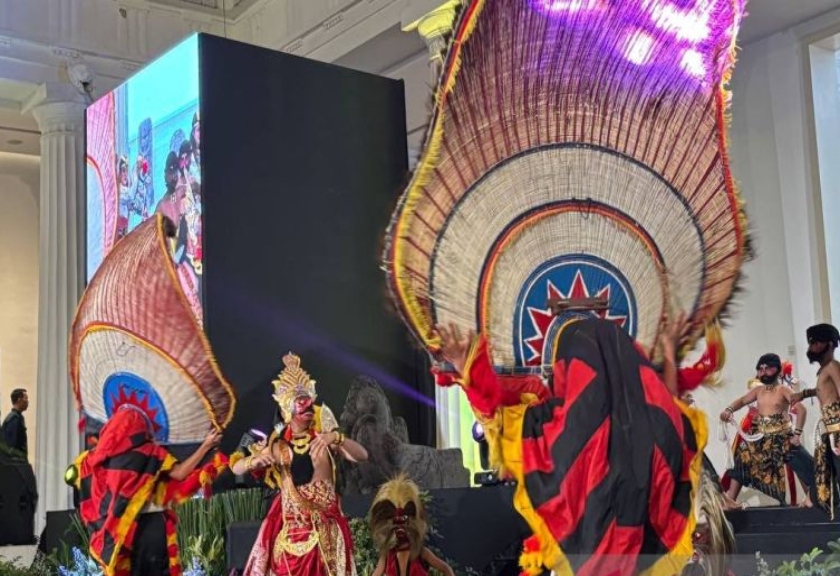
Amid Jakarta's bustle, the National Museum bore witness to a historic moment for Indonesia's cultural heritage. The Ministry of Culture announced that Reog Ponorogo, Minahasan kolintang, and kebaya have officially received UNESCO Intangible Cultural Heritage (ICH) certificates.
These three cultural elements now stand alongside other global traditions safeguarded as treasures of humanity.
In the spirit of cultural exploration, this achievement is not merely ceremonial, but an invitation to rediscover the roots of Nusantara identity.
READ ALSO
Kemiren Osing Village Joins UN Tourism World Tourism Network
Indonesia Targets Australian Tourists Through BBTF 2026, With Culinary Tourism As Its Flagship Leading Attraction.
Swarmed by 6,200 visitors daily, the Aceh Tsunami Museum has emerged as a prominent educational tourism magnet.
Director General of Cultural Diplomacy, Promotion, and Cooperation, Endah T.D. Retnoastuti, emphasized the importance of next steps following UNESCO's designation.
"Our hope is that after submission and inscription into UNESCO, these three intangible cultural heritages will be continuously preserved, developed, and utilized by local communities as economic and cultural industries," she stated.
Kebaya: The Thread Weaving Southeast Asian History
Few garments embrace cross-national identity like the kebaya. Endah noted the kebaya nomination resulted from Indonesia's collaboration with Brunei Darussalam, Malaysia, Singapore, and Thailand.
UNESCO's recognition, she stated, affirms that textiles and attire are not merely clothing, but integral to identity, women's creativity, and the intertwined history of Southeast Asia.
Kebaya is now not just a fashion icon, but living proof of regional cultural journeys – flowing from ancient port history to contemporary celebrations, from artisans' hands to international stages.
Kolintang: Wooden Tones from Minahasa to the World
Meanwhile, Minahasan kolintang was inscribed as an extended multinational nomination alongside Mali, Burkina Faso, and Côte d'Ivoire.
This gently resonating wooden music finds new resonance in global discourse.
According to Endah, this achievement sparks artist regeneration and strengthens traditional music ecosystems, positioning kolintang not just as a heritage symbol, but as a source of creativity and innovation in world music.
In Minahasa, young kolintang players now blend traditional harmonies with modern touches. Its sound evokes the green hills of North Sulawesi and the familiar whispers of coastal winds.
Reyog Ponorogo: Heritage Needing Urgent Safeguarding
Reog Ponorogo is included on the ICH list as an element requiring urgent safeguarding.
This art form, characterized by large peacock breastplate masks and East Javanese rituals, is more than mere performance.
Endah stressed this is a moment to strengthen community roles, enhance heritage education, ensure the economic sustainability of practitioners, and solidify reog's position as a living national pride relevant to current and future generations.
On Ponorogo's streets, young reog dancers now train in village studios, ensuring the drumbeats and barongan movements endure through time.
A Transgenerational and Transcontinental Achievement
This UNESCO achievement, Endah explained, results from long-term collaboration involving the Ministry of Culture, Ministry of Foreign Affairs, National Archives of Indonesia (ANRI), regional governments, communities, and various stakeholders.
"Cultural preservation can be effectively achieved through unity and collaboration across sectors, generations, nations, and continents," she said.
For Indonesia, each certificate is a promise.
"This certificate is an international mandate, a state commitment, for us to collectively safeguard traditions inherited over centuries," Endah affirmed.
On the same occasion, Director General of Multilateral Cooperation, Tri Tharyat, described UNESCO's recognition as an affirmation of national identity.
"The affirmation of national identity and the national vision, as key to implementing President Prabowo Subianto's eight visions, positions culture as a strategic pillar for Indonesia's character development and future," he stated.
He emphasized three aspects: global respect, global contribution, and the momentum for youth engagement.
"This achievement marks the beginning of a major preservation responsibility and serves as a crucial moment to involve the younger generation as key actors in preserving and transmitting cultural heritage," he concluded.
Certificates Marking a New Chapter in Cultural Preservation
The Ministry of Culture presented the original certificates to the National Archives of the Republic of Indonesia (ANRI). Copies were given to regional governments and parties tasked with keeping these traditions alive within communities.
Just as cultural journeys never end, this UNESCO recognition is a doorway, not a final destination.
From Minahasa and Ponorogo to cities across Southeast Asia, kebaya, kolintang, and reog now possess a world stage. The task for today's generation is to ensure that stage remains bright, shining, and honours the roots that have sustained Nusantara for centuries.(Antara)









Belum ada komentar. Jadilah yang pertama!