
Trace of Enrique Corcuera: How Padel Was Born from an Experiment on Mexico's Coast

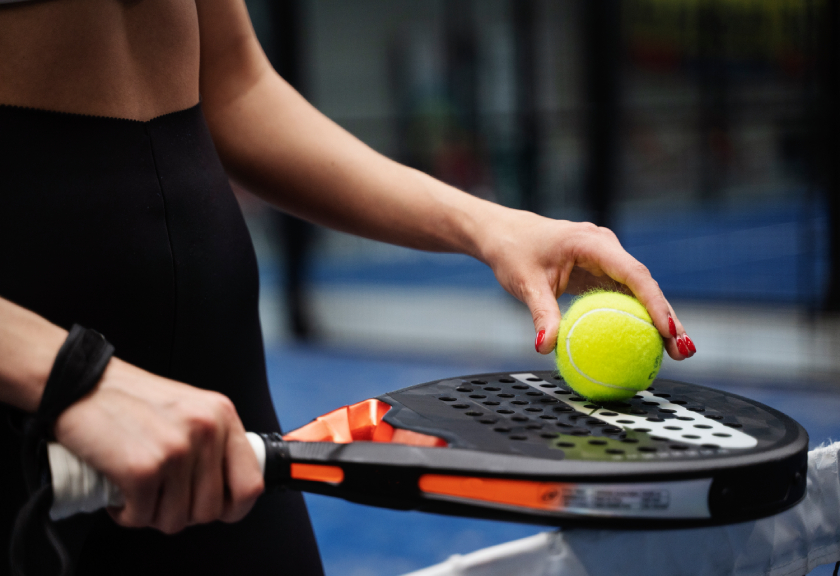
Source: Freepik
There's something unique about the glass-walled courts now emerging in major cities worldwide, including Indonesia. Inside, laughter, cheers, and the rapid bounce of a small ball against walls and rackets fill the air. This is padel, a racket sport becoming a global phenomenon, blending energy, excitement, and an active lifestyle into one captivating package.
Padel's history began not in grand stadiums or sports laboratories, but in a holiday villa on the coast of Acapulco, Mexico. In 1969, an entrepreneur named Enrique Corcuera built a small court in his backyard, surrounded by four-meter-high brick walls and metal fencing simply to prevent balls from flying into the neighbor's property. From this simple idea, the game he called "Paddle Corcuera" was born.
Yet, its roots run much deeper. In the 19th century, British ship passengers played a similar game on ship decks, while in America, a sport called platform tennis gained popularity in the 1910s. Evolution after evolution shaped this game into the form we know today: padel, a sport combining tennis technique, squash speed, and the fun of playing together.
READ ALSO
Besides a Racket, What Should You Prepare Before Playing Padel?
Alessandro Nesta to Ariel Noah Will Liven Up RANS Padel Wars 2025 Event
New Level of Sportainment: Thrilling Showdown Between Celebrities & Athletes at TOSI 2025 Tournament
Marbella and a Visionary's Dream
In the early 1970s, a Spanish aristocrat and businessman, Alfonso de Hohenlohe, visited Mexico and fell in love with the game. He then brought padel to the Costa del Sol, building the first two courts at the Marbella Club, a legendary resort frequented by the European jetset.
It didn't take long before socialites and famous athletes, like the legendary tennis player Manolo Santana, were captivated. Tournament after tournament began to be held along Spain's southern coast, and soon after, padel crossed over to Argentina, thanks to wealthy businessman Julio Menditenguia who saw its great potential. Today, Argentina boasts over 10,000 courts and two million registered players, making padel part of the national sports identity.
From Latin America to Europe and the World
Padel's popularity in Spain then exploded. The country now has over 20,000 courts and about six million active players. In Spain, padel ranks as the second most popular sport after football – an extraordinary achievement for a sport only decades old.
In 1991, the International Paddle Federation was born, organizing the first World Championships in Madrid and Seville in 1992. A year later, the Spanish government officially recognized padel as a sport, and since then, its spelling was adjusted to "padel" to make it easier to pronounce in Spanish.
A major momentum occurred in 2005 when the world welcomed the first professional tour, the Padel Pro Tour, which evolved into the World Padel Tour in 2013, a global circuit now bringing top players to the world stage, from Dubai to Buenos Aires.
Britain and Europe's New Wave
Britain only encountered padel in the early 1990s, when a group of expatriates formed the British Paddle Association to participate in the World Championships. Two decades later, the sport began to surge with the official backing of the Lawn Tennis Association (LTA).
Since the LTA became the official governing body in 2020, padel's growth in Britain has been incredibly rapid – from just 51 courts to 760 within four years. The number of players also skyrocketed from 65,000 to over 230,000 by the end of 2024 and continues to rise.
Today, in many European cities, padel is not just a sport, but part of a lifestyle. It's found in luxury resort hotels, exclusive apartment complexes, and beachside tourist destinations.
Padel isn't just about winning or losing; this sport creates social interaction, fitness, and the simple joy that arises when the ball bounces between glass walls and the sound of friends' laughter echoes in the afternoon air.
You don't need to be a professional athlete to enjoy it. Just come, grab a racket, and experience firsthand the unique energy of the sport now called the fastest-growing sport in the world. (ltapadel.org.uk)







Belum ada komentar. Jadilah yang pertama!