
Palembang Culinary Tour: 4 Must-Try Dishes Beyond Pempek

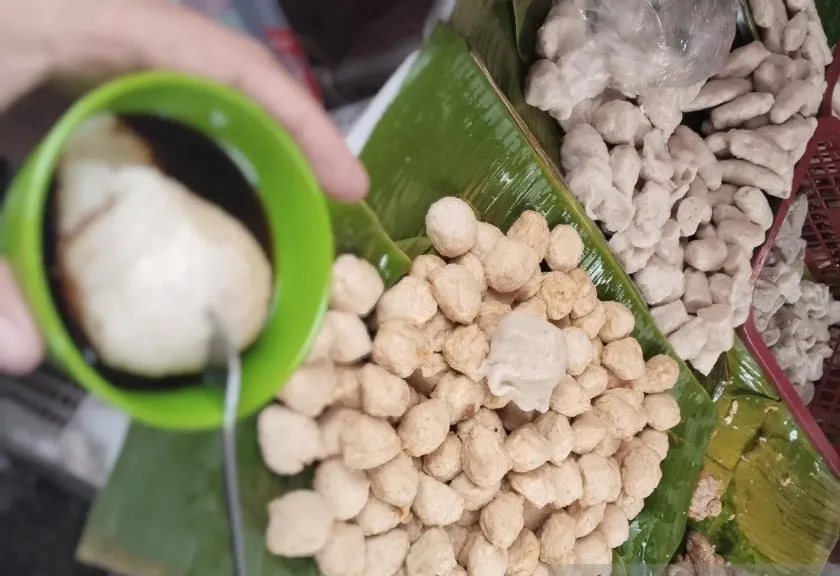
Source: Antara/M Iman Pramana
Behind the panorama of the Musi River lies a flavor legacy that has long defined Palembang's identity. Beyond the Ampera Bridge and pempek, Palembang offers a wealth of fish-based culinary treasures, from traditional kitchens to tourist dining tables.
With growing interest in Culinary Tourism, Palembang further solidifies its position as a premier gastronomic destination in Indonesia.
Improved accessibility, including overland routes from cities like Lampung, creates opportunities for travelers to explore authentic dishes rich in local flavors.
READ ALSO
Minang Cuisine in Singapore, Warong Nasi Pariaman Closes on January 31 After 78 Years
Halal Flavor Destination, Indonesian Cuisine's Global Potential
Cheap & Cheerful Holiday! Train to Purwakarta for Only Rp 9,000?
Among numerous options, these four culinary creations strongly represent Palembang's flavor heritage:
1. Pindang Patin
This dish stands as the most expressive flavor icon. Its broth presents a balanced blend of sour, sweet, and spicy notes, combined with fresh catfish chunks and pineapple slices.
Its clean aroma and light yet complex taste make it essential for enthusiasts of Indonesian Cuisine.
2. Celimpungan
Unlike pindang, celimpungan offers a gentler experience. Served in thick yellow coconut milk broth, it features a springy texture with deep savory richness. Often enjoyed as breakfast, it provides warmth from morning.
3. Tekwan
Tekwan presents a lighter flavor approach. Based on clear shrimp broth, it contains small fish dumplings, rice vermicelli, and mushrooms. This combination yields fresh umami without overwhelming the palate.
4. Burgo
As a complement, burgo carries strong traditional character. Made from thin rice flour rolls served with savory coconut broth and shredded fish, it offers soft texture with simple yet rich flavor.
These four dishes reflect How Palembang's community transforms river bounty into generational culinary heritage.
More than mere food, each dish serves as cultural narrative, connecting past and present.