
Learning Padel from Experts, Basic Techniques New Players Must Master

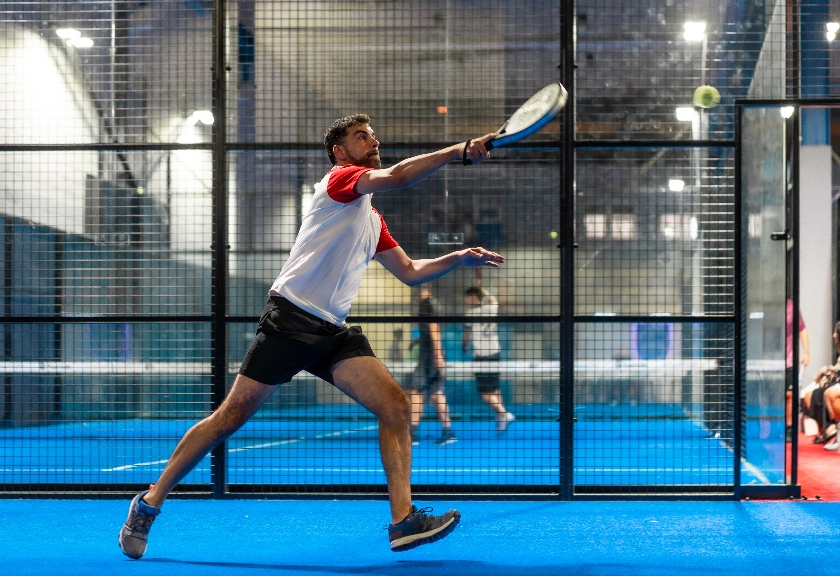
Source: Envato
Padel is gaining popularity as a racket sport that's easy to learn yet technically and strategically challenging. One club known for its serious guidelines for beginners is Padel United Sports Club, whose "Padel Tips for Beginners" guide is widely used as an initial reference by new players.
In the guide, the author (Coach) Daniel Rothschild shares insights considered representative of "expert" standards for beginners.
So, when you're just starting out, it's better to take tips from them first—don't just "hit randomly." Instead, understand the basics of grip, movement, strategy, and team collaboration to build a strong foundation and make your gameplay more focused.
READ ALSO
Ready to Be Champion? Serious Stages of Playing Padel to Tournament
Hexagon Cup 2026: Lewandowski Returns as RL9 Team Captain at the Most Prestigious Padel Event
Agustin Tapia The Most Popular Instagram Padel Player
Basic Padel Tips
1. Use the Right Equipment from the Start
According to Padel United, using "beginner-friendly" equipment is crucial. Round-shaped rackets with a large sweet spot and light weight (around 340–360 grams) are better for control and reducing injuries.
Additionally, specialized padel court shoes are mandatory. Padel involves lots of lateral movements and quick slides, so grip soles and stability are vital for protecting your feet and ankles.
Don't just use any racket or shoes; a small initial investment can make your learning experience much more comfortable.
2. Master Basic Techniques: Grip, Serve, Forehand/Backhand, Volley, Smash & Lob
Key basic techniques to master early on:
Basic grip — use the continental grip (handshake grip) for flexibility across various shots.
Underhand serve — the serve starts by bouncing the ball on the floor first, then hitting it from below the waist, not overhand like tennis.
Groundstroke (forehand/backhand) — focus on control and consistency over power. Short swings, body rotation, and accuracy are more important.
Volley & smash — volleys are often used near the net for quick attacks; smashes in padel require consideration, as hitting too hard can make the ball rebound off the wall back to you.
Lob & tactical shots — a high, well-aimed lob to the back of the court can force opponents back, giving you time to regain control of the rally.
Mastering these techniques first gives you a healthy foundation for playing padel, not just "hitting randomly."
3. Understand the Court & Walls: Use Rebounds Strategically
A unique characteristic of padel is that walls/glass walls keep the ball alive after being hit. According to Padel United, learning to read rebounds and utilize the walls is a crucial skill.
Tips:
Practice solo drills: kick/hit the ball against the wall and return it — this helps reflexes and rebound feel.
During rallies, don't be afraid to use the wall as an "ally" for defense, resetting an attack, or deceiving opponents.
Whether the wall becomes an enemy — or a weapon — depends entirely on how you use it.
4. Playing as a Team: Communication and Positioning Are Everything
Padel is typically played in doubles (2 vs 2). Therefore, cooperation and coordination with your partner are far more important than relying on individual skill.
According to professional guides & analysis:
Always "move together"; if you and your partner are positioned too far apart or on different sides of the court, opponents can exploit many empty spaces.
Simple but clear communication: e.g., say "mine!", "take it!", "net!" to avoid confusion when the ball comes.
Task distribution: e.g., who covers the center court, who goes to the net, who defends — to ensure efficient movement.
With good teamwork, you can win more often even without spectacular shots.
5. Control & Strategy > Power — Gods of Placement, Not Power
Many beginners think, "hit hard = win quickly." However, in padel, control, shot placement, and strategy are more decisive than power.
Some principles:
Controlled shots with good placement are more effective than random hard smashes.
Use spin or slice to make the ball difficult to return. Slice/topspin can create unpredictable ball bounces.
Be patient in rallies: hold out, wait for the opponent to make a mistake; the player who makes the first mistake usually loses.
6. Consistency, Mentality & Enjoy the Process
According to Padel United and their coaches like Daniel Rothschild, the key to progress is consistently showing up on court, regular practice, and a positive mindset.
Don't fear mistakes — errors are part of the learning process and improving technique.
Play with a good mood; socially, padel isn't just competition, it's also a place to socialize and enjoy the game.
If possible, join club training sessions, communities, or take lessons from experienced coaches; this accelerates progress much more than playing alone.









Belum ada komentar. Jadilah yang pertama!