Easter Island Rapa Nui, Hidden Paradise in the Pacific with Megalithic Heritage.

Source: Envato
Amidst the vast expanse of the Pacific Ocean stands a remote island shrouded in the mystery of ancient civilization. Also known as Rapa Nui or Easter Island, this island seems to emerge from the mists of time. Silent, majestic, and laden with unfinished stories.
Administratively, this island is part of Chile, yet geographically and culturally it feels worlds away from the South American mainland.
The journey to Rapa Nui isn't merely a change of location, but a pilgrimage to one of the most isolated points on Earth.
READ ALSO
Awesome! Bandung Ranks Among Asia's Top 5 Travel Destinations
Off the Beaten Track: The World's 7 Most Beautiful Green Destinations.
Restoring Terujak Hot Springs: New Hope for East Aceh's Nature and Wellness Tourism
Upon setting foot, a dramatic volcanic landscape greets you. Expansive grasslands, steep cliffs, and coastlines ceaselessly battered by waves.
Yet the island's primary allure lies in its iconic megalithic legacy: the moai.
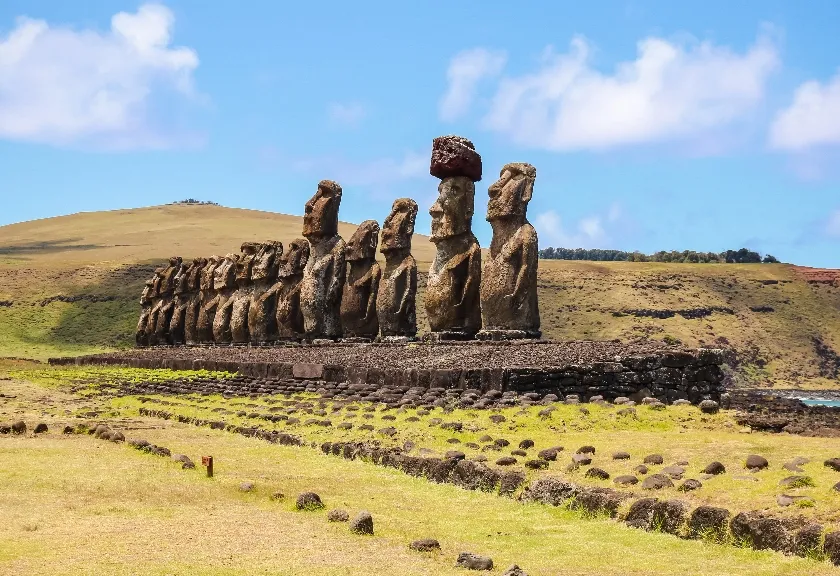
These colossal stone statues scatter the island. Most stand upright on stone platforms called ahu.
Ahu Tongariki remains the most renowned, where 15 moai align facing inland as if guarding ancestral secrets.
At dawn, when the sun slowly rises above the horizon, the moai silhouettes at Tongariki create a magical vista.
Golden light touches their stone faces, giving the impression they observe, remember, and wait.
Nearby, Rano Raraku offers a different experience. This volcanic crater birthed most moai.
On its slopes, hundreds of half-finished statues remain embedded in the earth, as if time froze mid-creation.
Each carving reflects complex techniques, spirituality, and social organization.
Meanwhile, on the island's western edge, Orongo perches beside Rano Kau crater. This stone village once hosted the Tangata Manu or "Bird Man" competition ritual—a unique tradition blending bravery, endurance, and spiritual belief.
From Orongo, views stretch toward the open ocean with distant islets. Wind gusts carry salty sea scents alongside whispers of history defying description.
Not all corners of Rapa Nui are dominated by stone and legend. Anakena Beach reveals another facet. Soft White Sand, crystal-blue waters, and rows of palm trees contrast sharply with the surrounding volcanic terrain.
Visitors swim, relax, or simply savor the tranquil silence.
Notably, Anakena holds historical significance too—believed where Polynesian ancestors first landed. History and natural beauty merge in one harmonious landscape.
Rapa Nui culture thrives today. Annual festivals like Tapati Rapa Nui celebrate local identity through dance, Music, and vibrant traditional competitions.
Preservation efforts continue balancing Tourism with Cultural Heritage. Chile's government and local communities collaborate to protect moai and sacred sites.