
Sentul, Bogor - The scoreboard only showed a narrow 1-0 win for Spain over Argentina in the 2026 FIFA World Cup final at MetLife Stadium, New Jersey, United States. Yet behind that final score lay a match that was far more one-sided than the numbers suggested on the surface.
La Roja's dominance was not only reflected by Ferran Torres' extra time winning goal. It was also laid bare in match data that shows exactly how Luis de la Fuente's side controlled nearly every single aspect of the game.
Opta Analyst figures demonstrate the staggering imbalance of control during this final. Spain completed 235 successful passes in the final third of the pitch. By comparison, Argentina only registered 47 total passes inside their opponent's defensive half for the entire match.
READ ALSO
De la Fuente and A Generation That Keeps Their Promises
Lionel Messi Asked to Delay Retirement, 2026 Finalissima Tribute Stage for the Legend
Spain Crowned 2026 World Champions: Ferran Torres Breaks the Deadlock, La Roja Claim Their Second World Cup Title Star
This gulf made unambiguously clear which side controlled the pitch, and which team was pinned back defending for nearly the full duration of the fixture.
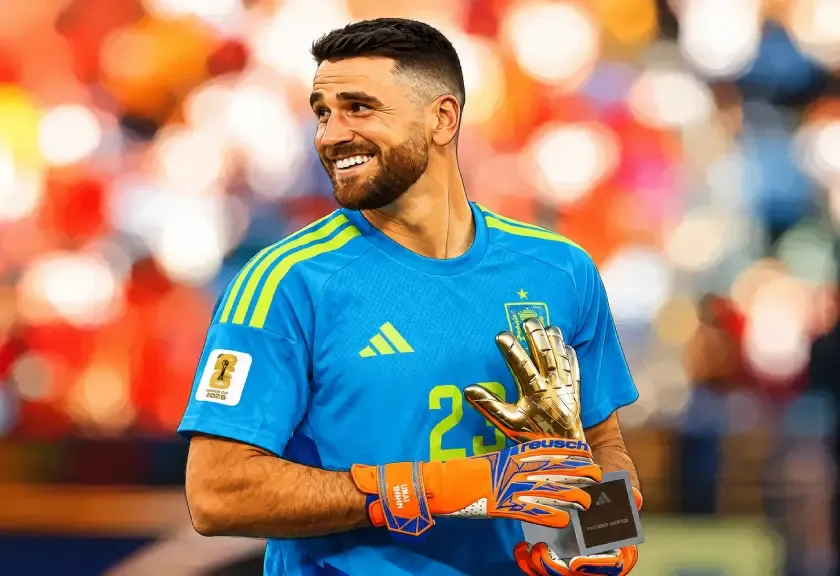
Spain applied unrelenting pressure from the very first minute. They registered 20 attempts on goal, forcing Emiliano Martínez into constant action between the posts. The Argentine goalkeeper made 11 critical saves to keep his side's hopes alive right through until extra time.
Argentina by contrast barely resembled the defending world champions. They did not register a single shot until the 117th minute, when Lionel Messi struck an effort from the right wing that was blocked by Mikel Merino. By that point, Spain had already seized total control of space, tempo and the flow of the game, leaving Argentina occupied entirely with defence rather than building attacking moves.
These statistics confirm Spain's victory was never just about one single goal from Ferran Torres. They won the fundamental battle for territory, rhythm and control of the pitch.
Lionel Messi tried repeatedly to anchor Argentina's play. For almost the entire match however, he was forced to drop deep into central midfield just to help circulate the ball, as every route forward into the final third was repeatedly shut down by Spain's structured game plan. Instead of receiving possession around the penalty area, Messi was left having to initiate attacks from far deeper, less dangerous positions.
On the opposite touchline, Luis de la Fuente refused to compromise his team's identity even facing the defending world champions in a World Cup final. Spain stuck rigidly to their high pressing system, dynamic positional rotation and patient sustained possession. This approach left Argentina constantly reacting to their opponents, never able to impose their own playing rhythm on the match.
This victory also serves as confirmation that modern elite football is increasingly decided first and foremost by the quality of a team's structural organisation.
Spain concluded the tournament having conceded just one single goal across eight matches, while extending their unbeaten international run to 38 games. This record is a testament to the consistent system built by De la Fuente, rather than reliance on isolated individual brilliance.
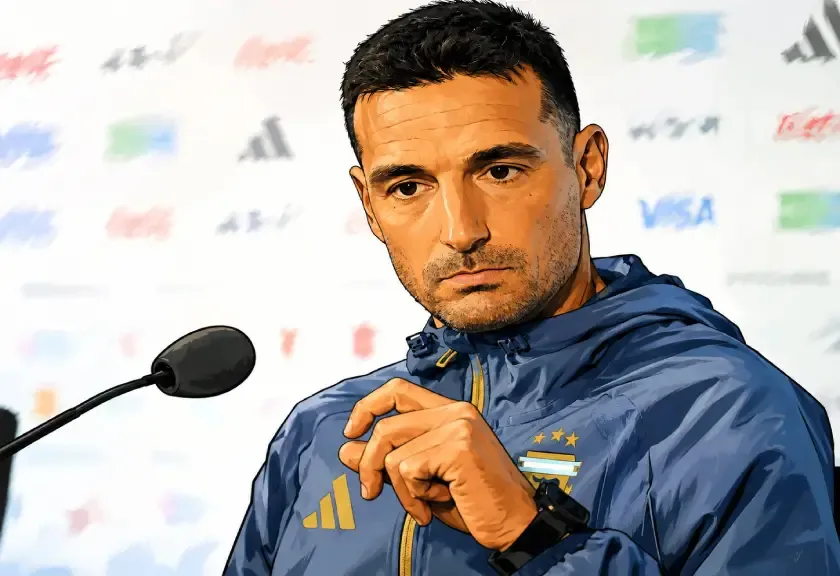
How exactly did Luis de la Fuente construct this level of total dominance? Why did Lionel Scaloni fail to unlock Argentina's best performance? Was this 2026 World Cup final ultimately a victory for a coaching system, not individual talent?
And beyond that: was this match really only decided by Ferran Torres' late goal? Or had Spain already effectively won this contest long before the ball crossed the line past Emiliano Martínez?
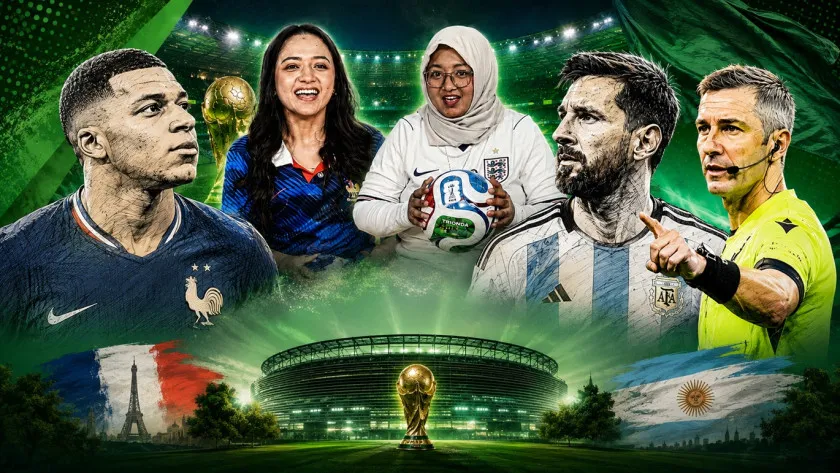
These are the core questions that form the throughline of the ITSMe Podcast 2026 World Cup Final special edition.
Hosted by Gilang Respaty and Yatna live from ITSMe Studio in Sentul, Bogor on Monday 20 July 2026, this discussion with analysts Ronny Pangemanan and Kesit Budi Handoyo breaks down Spain's dominance through tactical analysis, match data and coaching philosophy to examine how La Roja returned to the summit of world football.